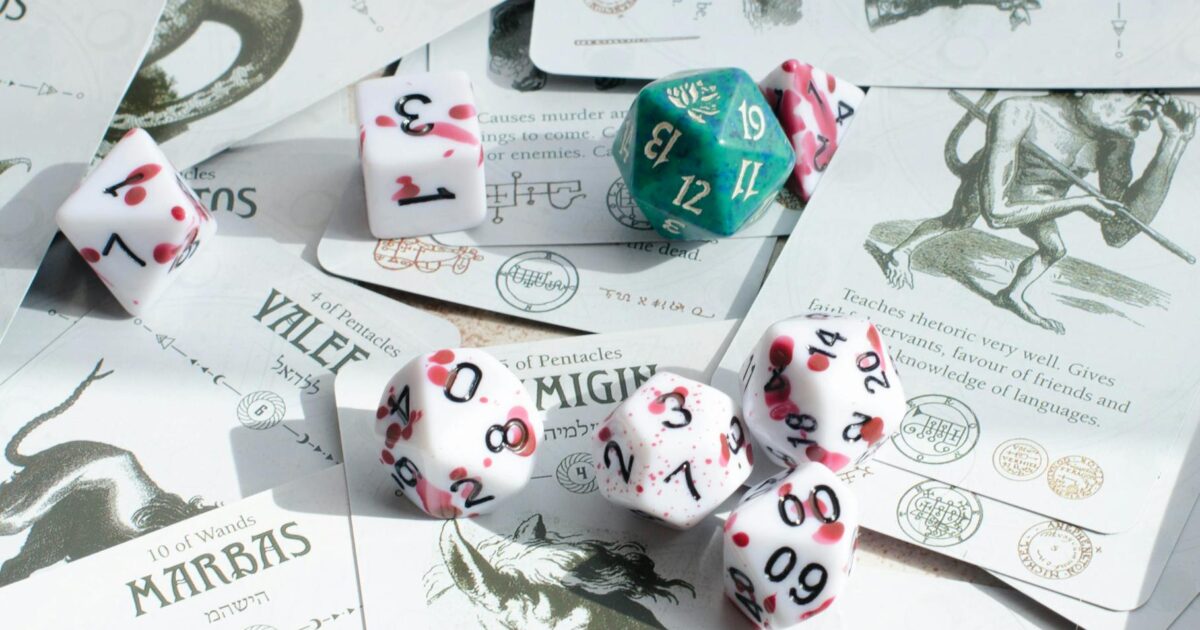
Ever found yourself staring at a character sheet, wondering how your gruff barbarian is supposed to understand the ethereal whispers of a celestial being? Or perhaps you’re the Dungeon Master (DM) trying to figure out how your players will communicate with that ancient dragon. The world of dnd languages can seem a bit daunting at first, but understanding them is key to a truly immersive roleplaying experience.
In my years of playing and running Dungeons & Dragons campaigns, I’ve seen how languages can be a fantastic tool for roleplaying, a source of hilarious miscommunication, or sometimes, just a background detail. But when used intentionally, they add so much depth to the game. Let’s break down what you need to know about D&D languages, from the common tongue to the secret dialects of the Underdark.
This guide will help you understand the intricacies of D&D languages, whether you’re a new player or a seasoned adventurer.
Table of Contents
Understanding D&D Languages
At its core, D&D is about telling stories together. Languages are one of the fundamental building blocks of any world. In Dungeons & Dragons, specifically in the 5th Edition, languages are typically listed on a character’s sheet. Most Player Characters (PCs) start with the ability to speak Common, the universal language that most humanoid races understand.
Beyond Common, characters might gain proficiency in additional languages based on their race, background, or even specific feats or class features. These languages can range from the guttural Orcish to the elegant Elvish, or even more esoteric tongues like Draconic or Celestial.
The Dungeon Master (DM) determines which languages are spoken in their campaign world. While the Player’s Handbook provides a baseline, DMs often customize the linguistic landscape to fit their unique setting. This means a language that is common in one campaign might be rare or nonexistent in another.
Common Tongues and Racial Languages
Let’s start with the basics. The most prevalent language in most D&D settings is Common. It’s the lingua franca, spoken by humans and understood by most other races. If your character doesn’t have any special language proficiencies, you’ll default to Common for most interactions.
Beyond Common, each playable race in D&D typically has its own racial language. Here are a few examples:
- Dwarvish: The guttural, hard-sounding language of dwarves. It’s often described as having many hard consonants and a deep timbre.
- Elvish: A flowing, melodic language spoken by elves. It’s known for its lyrical quality and complex grammar.
- Halfling: A simple, practical language spoken by halflings. It’s often described as cheerful and easy to understand.
- Gnomish: A language of tinkers and tricksters, often with a playful and complex cadence.
- Orcish: A harsh, guttural language used by orcs and often understood by other goblinoids.
These racial languages are usually spoken only by members of that race, though some individuals or scholars might learn them. They are essential for roleplaying specific character backgrounds and for interacting with NPCs of those races in their native tongue.
For instance, if your character is an elf, speaking Elvish to another elf can immediately create a bond or convey a sense of shared heritage that speaking Common wouldn’t achieve. Conversely, a human trying to speak Elvish might earn respect or, depending on the context, be seen as an outsider trying too hard.
Exotic and Rare D&D Languages
The D&D universe is vast, and so are its languages. Beyond the common racial tongues, there are many exotic and rare languages that can add significant flavor and challenge to your game. These often tie into specific monsters, ancient civilizations, or planar beings.
Some notable examples include:
- Draconic: The ancient language of dragons. It’s often described as sounding powerful and resonant, and is also used in some arcane rituals. Many wizards choose to learn Draconic due to its connection to magic.
- Giant: The language spoken by giants. It’s usually described as booming and somewhat crude.
- Goblin: The simple, often crude language spoken by goblins and their kin.
- Abyssal: The language of demons, filled with harsh sounds and often used in dark rituals.
- Infernal: The language of devils, known for its precise and often legalistic structure.
- Celestial: The language of angels and good-aligned outsiders, known for its beautiful and harmonious sounds.
- Deep Speech: A disturbing, alien language spoken by aberrations like the Aboleth, often described as a series of clicks, whistles, and guttural sounds.
- Undercommon: The common trade language of the Underdark, understood by most creatures that dwell in the subterranean world.
Learning or understanding these languages can be a quest in itself. A character might need to find a tutor, decipher ancient texts, or use magical means to communicate.
Language and Spellcasting
Languages play a crucial role in spellcasting in D&D. Many spells have a verbal component, meaning the caster must speak specific words in a particular language to cast the spell. While the rules often abstract this, for certain spells or situations, the language used can matter.
For example, a spell might require the caster to speak in Draconic or Celestial for it to be effective. If a character doesn’t know the required language, they might not be able to cast the spell, or the casting might fail with unpredictable results. This adds an interesting layer to spell selection and character building, especially for arcane casters.
Some spells, like Comprehend Languages, allow a caster to understand any spoken language for a limited time. This is an incredibly useful tool for adventurers exploring new territories or dealing with mysterious entities. It bypasses the need for direct language proficiency and opens up communication possibilities.
Conversely, spells like Silence can prevent verbal components from being heard, effectively shutting down spellcasting that relies on spoken words. This creates tactical challenges and opportunities for both casters and their opponents.
Here’s a quick look at how languages interact with spells:
| Spell Component | Language Relevance |
|---|---|
| Verbal (V) | Requires spoken words. Specific language might be required for certain spells. |
| Somatic (S) | Requires gestures. Language is not directly relevant. |
| Material (M) | Requires physical components. Language is not directly relevant. |
| Others (e.g., specific rituals) | May require understanding or speaking a specific language. |
Roleplaying with D&D Languages
This is where the fun truly begins! Languages are more than just a mechanic; they are a powerful roleplaying tool. How your character uses language, or struggles with it, can reveal a lot about their background, personality, and culture.
Consider these scenarios:
- The Eloquent Elf: An elf character who speaks Elvish perfectly might use poetic phrases or ancient proverbs, reinforcing their connection to their heritage.
- The Gruff Dwarf: A dwarf speaking Dwarvish might use blunt, direct language, perhaps even incorporating insults that only other dwarves would understand.
- The Diplomat: A character proficient in multiple languages might act as the party’s translator, navigating complex social interactions with different races.
- The Misunderstander: A character who only speaks Common and attempts to communicate with someone speaking a foreign tongue might resort to gestures, drawings, or wild assumptions, leading to comedic or dangerous misunderstandings.
As a player, actively thinking about the languages your character knows and how they would use them can significantly enhance your roleplaying. Do they use formal language with superiors and slang with friends? Do they pepper their speech with words from their native tongue?
One common mistake I see is players treating languages as just another stat. They pick them based on perceived usefulness but never integrate them into their character’s voice or actions. I remember a campaign where our party encountered a tribe of kobolds. Our ranger, who spoke Draconic, could have had a fascinating conversation, but instead, he just used Common and treated them like any other monster. It was a missed opportunity for richer storytelling.
Tips for Using D&D Languages
Whether you’re a player or a DM, here are some practical tips to make languages a more engaging part of your D&D experience:
- Players:
- Read your character’s racial traits carefully. Note which languages they get automatically.
- Consider your background and backstory. Would your character have learned any other languages?
- Don’t be afraid to use your racial languages, even if it’s just a few key phrases. Ask your DM for help with pronunciation or common sayings.
- If a spell requires a specific language, make sure you know it or have a way to learn it!
- DMs:
- Clearly define the languages spoken in your world and by which races.
- Use NPCs to demonstrate different languages. Have them speak their native tongue to each other, or even try to speak it with PCs who know it.
- Introduce situations where language barriers create challenges or opportunities.
- Consider using a simple phrasebook for common racial languages to help your players.
- Don’t be afraid to have creatures misunderstand each other, even if they speak the same basic language, due to cultural nuances.
A great way to implement languages is through secret messages or overheard conversations. Perhaps your party finds a note written in Elvish, or they overhear guards speaking in Orcish. This requires a player to have proficiency or use magic to understand.
Frequently Asked Questions
What are the most common D&D languages?
Common is the most widespread language, understood by most humanoids. Racial languages like Dwarvish, Elvish, and Halfling are also quite common among their respective peoples and understood by many who interact with them regularly.
Can I learn any language in D&D?
Generally, yes, your character can learn additional languages through various means. This could be by choosing them as an option from your race, background, feats, or through DM-granted opportunities like finding a tutor or deciphering ancient texts.
How do languages work with spellcasting?
Some spells require a verbal component, meaning specific words must be spoken. While often abstracted, certain spells or magical traditions might necessitate speaking in a particular language, such as Draconic or Celestial, for the spell to function correctly.
What happens if I don’t understand a language in D&D?
If you encounter a creature or text in a language you don’t understand, you generally cannot communicate effectively. You might resort to gestures, attempts at simple pictograms, or rely on magic like Comprehend Languages to bridge the gap.
Is Draconic important in D&D?
Draconic is considered an important language, particularly for arcane spellcasters, due to its ancient origins and connection to dragons and magic. Many wizards choose to learn it, and it’s often featured in magical lore and ancient texts within the game.
Mastering D&D Languages
Understanding and utilizing dnd languages can transform your game from a simple dice-rolling exercise into a rich, narrative experience. They are more than just stats on a sheet; they are tools for immersion, character development, and storytelling. By paying attention to the languages your character knows, how they speak them, and the linguistic landscape of your DM’s world, you unlock a deeper level of engagement.
Whether you’re a player eager to impress a dragon with fluent Draconic or a DM weaving intricate plots through subtle linguistic cues, languages are a powerful, often underutilized, aspect of Dungeons & Dragons. So next time you create a character or prepare a session, give the languages a thought – you might be surprised at the depth they add.




Sabrina
Expert contributor to OrevateAI. Specialises in making complex AI concepts clear and accessible.