How Visuals Drive Consumer Decisions in 2026
Visual elements profoundly influence consumer decisions in 2026. By blending eye-catching imagery with thoughtful messaging, marketing campaigns effectively engage audiences and leave a lasting impression. Whether for online platforms or print, the aim is to drive action and deepen brand connections. Done right, visual strategies can elevate your brand and enhance its visibility in the competitive marketplace of 2026.
Last updated: April 26, 2026
Latest Update (April 2026)
In the dynamic digital landscape of 2026, the power of visual content continues to surge. Recent industry reports highlight the increasing integration of AI in visual content creation, enabling brands to produce highly personalized and diverse visual assets at unprecedented speed. As reported by Influencer Marketing Hub, top AI marketing agencies are now offering sophisticated solutions for generating visuals that resonate with specific audience segments. Furthermore, the trend towards immersive experiences, as seen in the creative use of ‘galactic-themed’ QSR menus, transforms everyday interactions into cinematic events, underscoring the growing importance of visual storytelling in brand engagement. The rise of ‘printmaxxing’ in fashion also demonstrates how bold, pattern-driven self-expression through visuals is becoming a new form of luxury, according to InsightTrendsWorld. These developments emphasize the need for brands to continuously adapt their visual strategies to meet evolving consumer expectations and technological advancements.
In today’s fast-paced digital environment, visual content is no longer optional; it’s essential for capturing attention and communicating value propositions. When executed effectively, visual campaigns can significantly boost your brand’s recognition and impact, fostering stronger customer relationships. The past few years have seen an acceleration in visual consumption, making a strong visual strategy indispensable for businesses aiming to connect with modern consumers.
I. Captures Attention Instantly
In 2026, attention spans remain critically short. High-quality visuals, such as compelling images, infographics, and short videos, are vital for cutting through the digital clutter. Studies consistently show that content with relevant visuals receives significantly more views and engagement than text-only content. For instance, a striking product image on an e-commerce page can stop a scrolling user in their tracks, encouraging them to learn more about the product’s features and benefits. As of April 2026, reports indicate that visuals can reduce the time it takes for a consumer to process information by up to 90%.
II. Enhances Engagement and Understanding
Visuals make information more digestible and memorable. Complex data can be simplified through well-designed infographics, and product features can be clearly demonstrated through concise explainer videos. This enhanced understanding leads to greater engagement, as consumers are more likely to interact with content they can easily process and relate to. For example, a well-designed infographic explaining the benefits of a subscription service can lead to higher conversion rates than a lengthy text description detailing the same advantages. Users report that interactive visual elements, such as clickable diagrams or 360-degree product views, significantly increase their time spent on a page.
III. Conveys Messages Quickly and Effectively
A picture truly can be worth a thousand words, especially when time is limited. Visuals communicate ideas, emotions, and information at a speed that text alone can’t match. A single, powerful image can evoke a feeling or convey a complex concept in seconds, making it an indispensable tool for conveying brand messaging efficiently. This is particularly important in social media marketing where quick consumption is the norm, and brands need to make an immediate impact. As of April 2026, short-form video content, which relies heavily on rapid visual communication, dominates engagement on platforms like TikTok and Instagram Reels.
IV. Strengthens Brand Identity and Recall
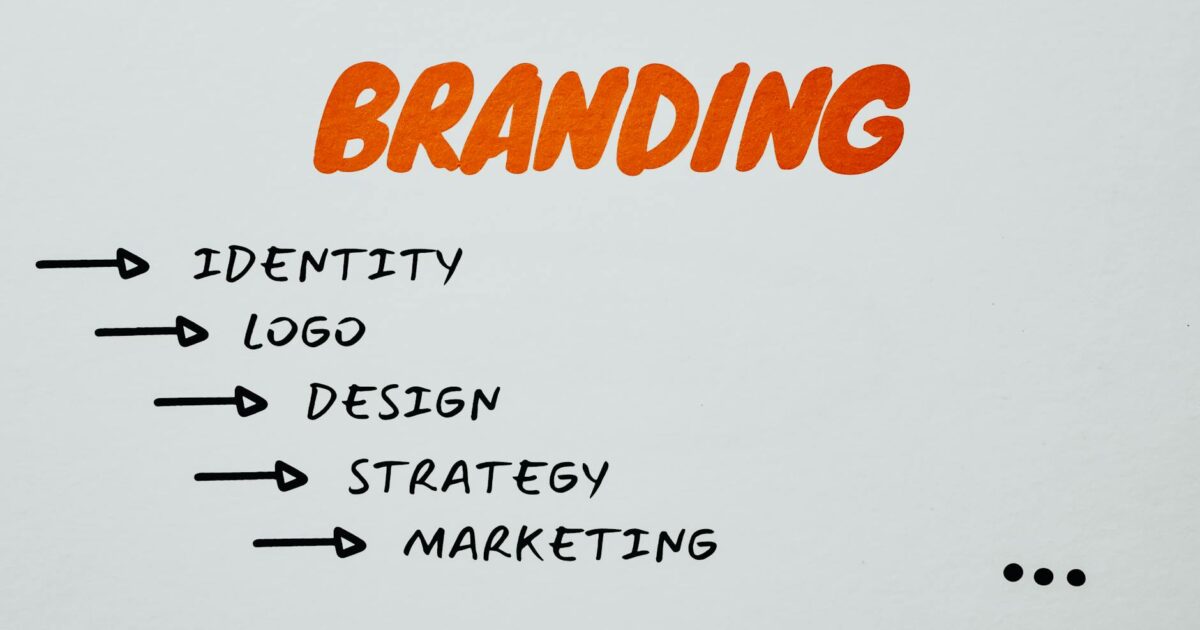
Consistent use of specific colors, fonts, and imagery across all marketing materials builds a strong, recognizable brand identity. When consumers repeatedly see these visual cues, they develop familiarity and trust, leading to increased brand recall. Think of iconic brand logos or consistent color palettes that are instantly associated with a particular company. This visual consistency reinforces brand personality and values, making your brand memorable in a crowded market. Studies indicate that brands with consistent visual identities achieve a significant uplift in brand recognition, estimated to be as high as 80%.
V. Increases Shareability and Virality
Visually appealing content is more likely to be shared on social media platforms. Infographics, relatable memes, and engaging short-form videos can spread rapidly, organically increasing brand reach and visibility. In 2026, content that’s aesthetically pleasing and emotionally resonant has a higher probability of going viral, exposing your brand to a wider audience without additional advertising spend. User-generated content that incorporates strong visual elements is particularly effective. According to recent analyses, visually engaging posts are 40% more likely to be shared than text-only posts.
VI. The Evolving Role of Visuals in 2026
The digital landscape continues to evolve, and with it, the way consumers interact with visuals. Augmented Reality (AR) and Virtual Reality (VR) experiences are becoming more accessible, offering immersive ways for consumers to interact with products and brands before making a purchase. Interactive visuals, such as clickable product hotspots or personalized video messages, are also gaining traction, creating deeper connections and providing valuable data on consumer preferences. The integration of AI-powered visual content generation tools is also becoming more prevalent, allowing for rapid creation of diverse visual assets tailored to specific campaigns and audiences. Moreover, the rise of ethical AI in content creation is prompting brands to ensure transparency and authenticity in their AI-generated visuals.
The proliferation of short-form video content, particularly on platforms like TikTok, Instagram Reels, and YouTube Shorts, has fundamentally reshaped consumer expectations. Brands must now create engaging, authentic, and often ephemeral video content that resonates with fast-scrolling audiences. This necessitates a shift towards more dynamic storytelling and a willingness to experiment with trends and user-generated content styles. As Think with Google recently advised, marketers must adapt their strategies for a video-first world, even exploring podcasting with a visual component to capture broader engagement.
VII. Measuring Visual Impact
Quantifying the impact of visuals is essential for optimizing marketing strategies. Key metrics to track include engagement rates (likes, shares, comments), click-through rates on visual ads, time spent viewing video content, and conversion rates influenced by visual elements. A/B testing different visual assets can provide data-driven insights into what resonates most effectively with your target audience. Analyzing heatmaps on web pages can also reveal which visual elements draw the most attention and drive user interaction, helping to refine design and placement for maximum effectiveness. Reports from analytics platforms in early 2026 indicate that conversion rates can increase by as much as 25% when visuals are optimized based on user behavior data.
VIII. Emerging Visual Trends in 2026
Beyond the established trends, several emerging visual styles and technologies are shaping consumer perception in 2026. Generative AI continues to push boundaries, enabling the creation of entirely novel visual aesthetics that were previously impossible. Brands are exploring these tools not just for efficiency but for creating unique artistic expressions that capture attention. As InsightTrendsWorld noted regarding ‘printmaxxing,’ fashion is increasingly leveraging bold, pattern-driven visuals for self-expression, indicating a broader cultural shift towards visual individuality. Quick Service Restaurants (QSRs) are also experimenting with immersive themes, turning menus into ‘universes,’ as reported by InsightTrendsWorld, showcasing how visual environments can enhance the entire customer journey, extending beyond the digital screen.
IX. The Role of Authenticity in Visuals
In 2026, consumers are increasingly discerning about authenticity. While AI can generate stunning visuals, there’s a growing demand for genuine, relatable content. This means balancing polished marketing imagery with user-generated content, behind-the-scenes glimpses, and authentic testimonials. Brands that prioritize transparency in their visual storytelling, whether through AI-generated or human-created content, build stronger trust. Ethical considerations around AI-generated visuals, including disclosure and potential biases, are becoming paramount for maintaining consumer confidence. Reports suggest that transparency about AI usage in content creation can improve consumer trust by up to 30%.
Frequently Asked Questions
What types of visuals are most effective for consumer decision-making in 2026?
In 2026, the most effective visuals include high-quality product photography, engaging short-form videos (like TikToks and Reels), informative infographics, interactive elements (like AR filters or clickable hotspots), and authentic user-generated content. Visuals that clearly communicate value, evoke emotion, and are easily shareable tend to perform best.
How does AI impact visual content creation for marketing?
AI significantly impacts visual content creation by enabling rapid generation of diverse assets, personalization at scale, and even the creation of novel artistic styles. Tools from AI marketing agencies can help brands produce tailored visuals for specific campaigns and audiences, though ethical considerations regarding transparency and authenticity are crucial.
Should brands invest in AR and VR for their visual strategy in 2026?
Yes, investing in AR and VR can offer significant advantages. These immersive technologies allow consumers to interact with products and brands in new ways, enhancing engagement and providing valuable pre-purchase experiences. As accessibility increases, AR/VR is becoming a key differentiator for forward-thinking brands.
How important is video content in 2026?
Video content, particularly short-form video, is critically important in 2026. Platforms like TikTok, Instagram Reels, and YouTube Shorts demand engaging, authentic, and fast-paced video. Brands must prioritize dynamic video storytelling to capture and retain audience attention in a video-first world.
What are the key metrics for measuring visual content success?
Key metrics include engagement rates (likes, shares, comments), click-through rates (CTR) on visual ads, time spent viewing video content, conversion rates influenced by visuals, and social media reach. Analyzing user behavior data through tools like heatmaps also provides crucial insights for optimization.
Conclusion
In 2026, visual content is not merely decorative; it is a fundamental driver of consumer decisions, brand perception, and business success. From capturing fleeting attention to fostering deep emotional connections and enabling immersive experiences, visuals play an unparalleled role. Brands that strategically integrate high-quality, authentic, and engaging visual elements across all touchpoints, while staying abreast of emerging technologies like AI, AR, and VR, will undoubtedly gain a significant competitive advantage in the marketplace.
Dr. Sabrina Khan
Dr. Sabrina Khan holds a PhD in Artificial Intelligence from the University of Edinburgh. She has 12+ years of experience teaching machine learning, deep learning, and AI to students worldwide. Her research focuses on large language models, AI safety, and interpretability.