
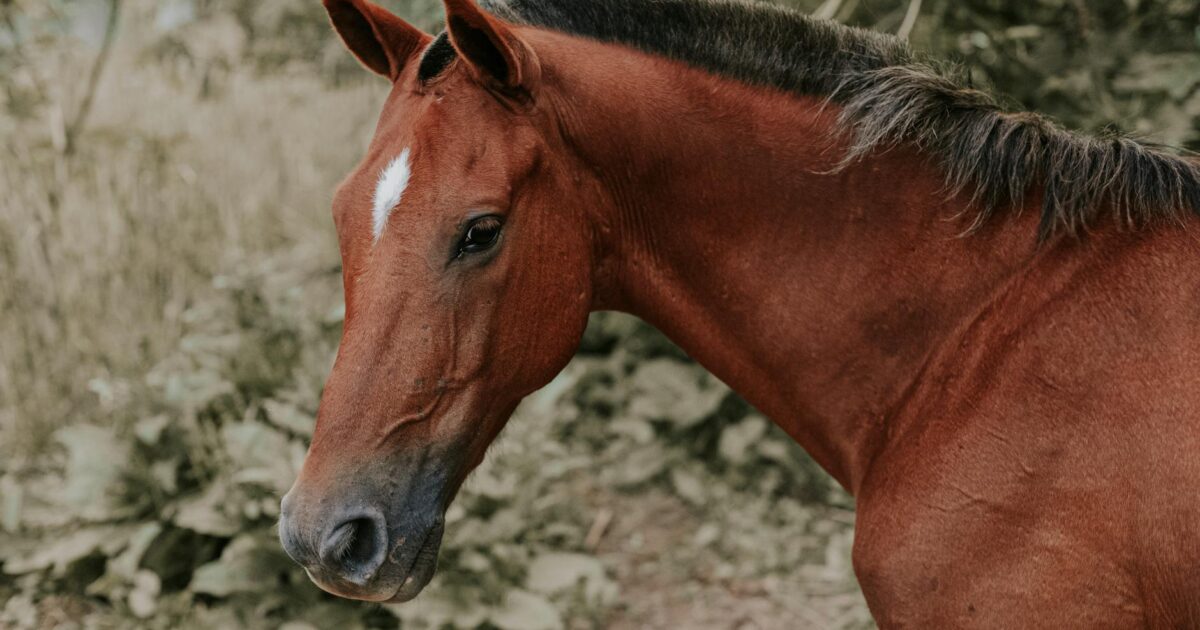
The bay horse stands as one of the most recognizable and beloved equine coat colors, captivating horse enthusiasts with its classic beauty and remarkable versatility. Across disciplines and continents, the sight of a magnificent bay horse immediately evokes images of strength, grace, and enduring spirit. This distinct coloration, a hallmark of many breeds, possesses a timeless appeal that makes it a true staple in the world of horses.
Understanding the Bay Horse
Understanding what defines a bay horse is quite straightforward yet fascinating. At its core, a bay horse displays a reddish-brown body coat, which can range from a light, almost golden red to a deep, dark mahogany. What truly sets the bay horse apart, however, are its characteristic black points. These black points include the mane, tail, and lower legs, often extending up to the knees and hocks. The muzzle and ear rims are typically black, creating a striking contrast that enhances the bay horse’s overall appearance.
Variations in Bay Coat Colors
The variations within the bay spectrum are surprisingly diverse. You might encounter a “light bay horse,” showing a lighter reddish-brown body, or a “blood bay horse,” which exhibits a rich, vibrant red hue. Then there’s the “dark bay horse,” sometimes referred to as a “black bay” or “mahogany bay,” where the body color is so deep it can appear almost black in certain lights, making the distinction from a true black horse subtle but present due to the reddish tint on the body. Each shade contributes to the unique beauty of the bay horse, proving that this color category is far from monotonous. As of April 2026, breeders continue to select for and appreciate these subtle variations, contributing to the breed’s aesthetic appeal.
The Genetics Behind the Bay Coat
Delving deeper into what creates the distinct appearance of a bay horse, we find fascinating genetics at play. The bay color is determined by the interaction of two primary genes: the Extension gene (E/e) and the Agouti gene (A/a). The Extension gene controls the production of black pigment, while the Agouti gene restricts black pigment to the points of the horse. A bay horse, therefore, carries at least one dominant Agouti allele (A) and at least one dominant Extension allele (E), allowing for the characteristic reddish body and black points to manifest beautifully. This genetic combination explains why the bay horse is so common and widespread among equine populations as of 2026.
Historical Significance of the Bay Horse
Beyond its genetic blueprint, the bay horse has historically played an integral role in human civilization. From ancient warhorses to working animals on farms, and later as mounts for royalty and pioneers, the sturdy and often sensible nature attributed to many bay horses made them invaluable partners. Their striking appearance, coupled with their widespread availability, ensured their frequent depiction in art, literature, and historical records, solidifying the bay horse’s place in our cultural heritage. Historical accounts from equestrian archives consistently show the bay horse as a favored mount throughout various eras.
The Bay Horse in Modern Equestrian Sports
The popularity of the bay horse endures strongly in modern equestrian disciplines. You will find beautiful bay horses excelling in nearly every sphere, from the speed and agility demanded by barrel racing to the precise movements of dressage. They are common sights on race tracks, as highlighted by recent horse racing coverage updates from sources like Americas Best Racing and Daily Racing Form, and in show jumping arenas, and as reliable companions on trail rides. This remarkable versatility speaks volumes about the general athleticism and agreeable temperaments often found within horses of this coloration, making the bay horse a favored choice for riders of all levels and interests. As of April 2026, their presence remains dominant in competitive circuits.
Caring for Your Bay Horse
Caring for a bay horse, like any horse, requires dedication, but maintaining their rich coat adds to their splendor. Regular grooming helps to enhance the natural luster of their reddish-brown body and keeps their black points looking sleek. A healthy diet and proper management are essential for the overall well-being and vibrant appearance of any bay horse. Owners often take pride in showcasing the depth of color and contrasting points that make their bay horse truly stand out. Recent discussions on the cost of horse ownership, as reported by Horse & Hound in early 2026, underscore the importance of consistent care, including grooming and proper nutrition, to maintain a horse’s health and appearance. Investing in quality feed and regular veterinary check-ups, which can range from $500 to $2,000 annually as of 2026, is crucial for maintaining a horse’s health and coat condition.
The Bay Horse in Popular Culture
In contemporary popular culture, the bay horse continues to be celebrated. For instance, in the gaming world, virtual representations of horses, including bays, are featured in popular titles like Red Dead Redemption 2, as noted by IGN’s guides. This broad appeal, from the practicalities of horse ownership to virtual entertainment, demonstrates the enduring fascination with the bay horse. Media portrayals consistently feature bay horses due to their classic appeal and widespread recognition.
Breed Spotlight: Common Bay Breeds
The bay coloration is so prevalent that it appears in nearly every horse breed. However, it’s exceptionally common in breeds renowned for athleticism and versatility. Breeds like the Thoroughbred, known for its racing prowess and presence on tracks worldwide, frequently display the bay coat. The American Quarter Horse, a cornerstone of Western riding disciplines, also commonly exhibits bay coloration. Arabian horses, celebrated for their endurance and distinctive dished faces, often come in bay. Furthermore, many European warmblood registries, such as the Hanoverian and Dutch Warmblood, regularly feature bay horses that excel in Olympic disciplines like show jumping and dressage. As of April 2026, these breeds continue to dominate equestrian events, with bay horses often taking top honors.
Conclusion
Ultimately, the bay horse represents more than just a specific coat color; it embodies a rich mix of history, genetics, versatility, and sheer aesthetic appeal. Its widespread presence and enduring popularity across countless breeds and disciplines speak to its inherent qualities that resonate deeply with horse lovers everywhere. Whether admired for its classic elegance, its athletic prowess, or simply its dependable nature, the bay horse continues to be a cherished and iconic figure in the global equine community, an enduring symbol of equine beauty and strength in 2026.
Frequently Asked Questions
Q1: Are bay horses always the same color?
No, bay horses exhibit a wide range of reddish-brown body colors, from light golden-red to deep mahogany. The defining characteristic is always the presence of black points (mane, tail, lower legs, ear rims, and muzzle). The specific shade can vary significantly between individuals and even be influenced by factors like sun exposure and diet.
Q2: Which horse breeds are most commonly bay?
The bay coloration is so prevalent that it appears in nearly every horse breed. However, it’s exceptionally common in breeds like the Thoroughbred, American Quarter Horse, Arabian, and many European warmbloods. These breeds are often selected for performance, where the bay color is frequently observed.
Q3: What are the genetic factors for a bay horse?
A bay horse’s color is determined by the presence of at least one dominant Extension allele (E) and at least one dominant Agouti allele (A). The Extension gene allows for black pigment production, while the Agouti gene restricts this black pigment to the points (mane, tail, legs, ear rims, muzzle), resulting in the classic bay pattern. Without the Agouti gene, a horse with the Extension gene would be black.
Q4: Can a bay horse be mistaken for a black horse?
Yes, dark bay horses, often called black bays or mahogany bays, can sometimes be mistaken for true black horses, especially in dim lighting. The key differentiator is a subtle reddish or brown undertone visible on the body of the bay horse, particularly in sunlight, and the presence of lighter hairs around the muzzle. True black horses lack this reddish tint.
Q5: How does nutrition affect a bay horse’s coat color?
While genetics dictate the base color, nutrition and overall health significantly impact the vibrancy and sheen of a bay horse’s coat. A well-balanced diet rich in essential vitamins and minerals, particularly those supporting skin and hair health like biotin and omega-3 fatty acids, enhances the richness of the reddish-brown body coat and the depth of the black points. Poor nutrition can lead to a dull, faded appearance, especially during summer months.
Sabrina
2 writes for OrevateAi with a focus on agriculture, ai ethics, ai news, ai tools, apparel & fashion. Articles are reviewed before publication for accuracy.


