
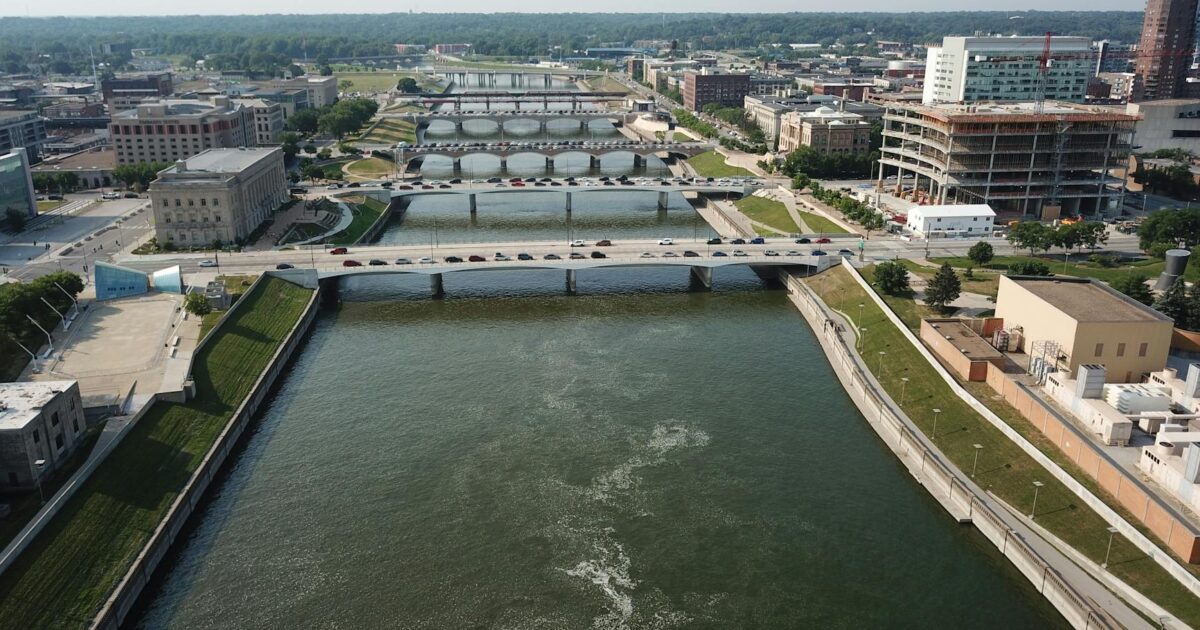
So, you’ve seen a ‘515’ pop up on your caller ID or are curious about this particular set of digits? You’re not alone! The 515 area code is a significant geographic region in the heart of Iowa, primarily serving the state’s capital and surrounding communities. It’s more than just a prefix; it represents a connection to a vibrant part of the Midwest. Let’s explore what makes this area code tick in 2026.
Last updated: April 26, 2026 (Source: fcc.gov)
Latest Update (April 2026)
As of April 2026, the 515 area code continues to be a vital telecommunications hub for central Iowa. Recent reports from the Iowa Utilities Board indicate stable demand for numbering resources within the 515 region, with no immediate plans for further splits or overlays. The FCC continues to monitor numbering plan capacity nationwide, ensuring sufficient availability for both traditional phone lines and the burgeoning number of connected devices. The continued growth in Des Moines and its surrounding suburbs fuels the consistent need for the 515 prefix.
What is the 515 Area Code?
Essentially, the 515 area code is a North American Numbering Plan (NANP) designation that covers a significant portion of central Iowa. When you see a phone number starting with 515, it means the landline or mobile number is assigned to a subscriber within this geographical region. It is one of the original area codes assigned to Iowa when the system was first implemented in 1947, though it has seen strategic adjustments over the decades to accommodate growth and technological shifts.
Understanding the area code helps you identify the general location of a phone number. This knowledge can be beneficial for various purposes, from verifying the origin of business communications to reconnecting with personal contacts. As of 2026, the 515 area code remains a critical component of Iowa’s communication infrastructure.
Where is Area Code 515 Located?
The 515 area code is geographically centered in Iowa. It prominently serves the state capital, Des Moines, and extends outwards, encompassing a large swathe of the state’s central plain. Visualize it as a substantial circle with Des Moines situated at its core. This allocation provides coverage for a considerable population base and a diverse array of businesses.
The boundaries of the 515 area code were established to serve these communities efficiently. It is important to note that area code boundaries are determined by the NANP, an organization overseen by the Federal Communications Commission (FCC), and are subject to adjustments over time. These modifications are typically driven by population growth, increased demand for telephone numbers, and the introduction of new technologies that require unique numbering assignments.
What Major Cities are in the 515 Area Code?
The most prominent city within the 515 area code is undoubtedly Des Moines, the capital and largest city of Iowa. However, the 515 code also serves numerous other important municipalities and their surrounding suburban areas. These key population centers and economic hubs within the 515 territory include:
- Ames
- Boone
- Fort Dodge
- Huxley
- Johnston
- Marshalltown
- Nevada
- Perry
- Story City
- Webster City
This list highlights the primary urban and suburban centers covered by the 515 area code. If you are initiating a call to a business or an individual located in any of these cities, the phone number will almost certainly begin with the 515 prefix. The economic activity and population density in these locations underscore the ongoing importance of this area code.
A Brief History of the 515 Area Code
The 515 area code boasts a long history, originating from the initial North American Numbering Plan (NANP) established in 1947. At its inception, the 515 code covered a significantly larger portion of Iowa, encompassing areas that are now managed by different area codes. As Iowa’s population expanded and the demand for telephone lines surged, the necessity for additional area codes became evident.
Throughout the years, Iowa has experienced several area code splits and the implementation of overlay plans. A pivotal event for the 515 area code occurred in 1998 when a substantial western portion of its territory was geographically separated to create the 712 area code. More recently, in 2018, the 435 area code was introduced as an overlay to the 515 area. An overlay means that new telephone numbers within the same geographic boundaries previously served solely by 515 could be assigned the 435 code, and vice versa. This system allows for an increased number of available phone numbers without altering existing ones.
According to the Iowa Utilities Board, as of April 2026, the 515 area code continues to fulfill a substantial portion of the state’s telecommunications requirements. The board actively monitors numbering resource utilization and forecasts future demand to ensure service continuity. This proactive approach is essential in managing the complex landscape of telecommunications numbering.
This evolutionary process is a common trend across the NANP. The proliferation of devices requiring phone numbers—extending far beyond traditional landlines to include smartphones, tablets, and a vast array of Internet of Things (IoT) devices—necessitates continuous adaptation of numbering plans. The NANP’s structure ensures that sufficient unique phone numbers remain available to meet these ever-growing demands.
Calling Within and Outside the 515 Area Code
The protocols for making telephone calls have evolved, largely simplifying due to the widespread adoption of 10-digit dialing (area code + 7-digit number) for local calls in most NANP regions. For the 515 area code, this translates to the following dialing practices as of 2026:
- Calling within the 515 area code: You must dial the full 10 digits (515-XXX-XXXX) even when calling from another number within the 515 region. This is the standard procedure in Numbering Plan Administrator (NPA) regions that have implemented mandatory 10-digit local dialing.
- Calling from outside the 515 area code to a 515 number: Dial 1 + 515 + the 7-digit local number.
- Calling long distance from within the 515 area code: Dial 1 + the area code of the destination number + the 7-digit local number.
The transition to mandatory 10-digit local dialing was a strategic move designed to prepare for the future and to prevent confusion with the eventual introduction of overlay area codes. It ensures a consistent dialing experience for all users, irrespective of whether a call is local or long-distance. Always remember to dial the full 10 digits for local calls within the 515 region to avoid potential connection issues.
Potential Scams Associated with the 515 Area Code
Unfortunately, no geographic area code is entirely immune to telephone-based scams. Phone scams represent a persistent challenge, and malicious actors possess the capability to spoof, or falsely display, any area code, including 515. Consequently, you might receive calls from numbers that appear to originate locally, when in reality, the caller is situated elsewhere, often in a different country.
Common scam tactics include:
- Impersonation scams: Callers falsely claim to represent official entities like the IRS (Internal Revenue Service) or the Social Security Administration, or pose as technical support agents from well-known companies (e.g., Microsoft, Apple). They often threaten legal action, account suspension, or demand immediate payment for fictitious debts or services.
- Robocalls and telemarketing: Automated calls delivering pre-recorded messages, often promoting dubious products or services, or attempting to solicit donations for fraudulent charities. Many of these violate federal regulations regarding unsolicited calls.
- Grandparent scams: Scammers call elderly individuals pretending to be a grandchild in distress, claiming to need urgent financial assistance for an emergency (e.g., bail, medical bills) and instructing the victim not to tell anyone.
- Prize and lottery scams: Individuals are informed they have won a large sum of money or a valuable prize but must first pay a fee (e.g., taxes, processing costs) to claim it. These winnings, of course, never materialize.
What to do if you suspect a scam:
- Do not share personal information: Never provide your Social Security number, bank account details, credit card numbers, or passwords to unsolicited callers.
- Hang up: If a call seems suspicious, simply end the conversation by hanging up. Do not engage with the caller.
- Verify independently: If a caller claims to be from a known organization, do not trust the contact information they provide. Look up the organization’s official phone number on their website or through a trusted directory and call them directly to confirm the legitimacy of the inquiry.
- Report the number: You can report suspicious calls to the Federal Trade Commission (FTC) at ReportFraud.ftc.gov. While reporting doesn’t guarantee immediate action, it helps authorities track scam patterns.
- Use call blocking tools: Many smartphones and phone services offer call blocking features or apps that can help filter out known spam numbers.
It is crucial to remain vigilant, as scammers constantly adapt their methods. The 515 area code, like any other, is a target for these deceptive practices.
Practical Tips for Using the 515 Area Code
For residents, businesses, and visitors within the 515 area code, understanding its implications can enhance your communication experience and security. Here are some practical tips:
- Confirm Local Status: If you receive a call from a 515 number and are unsure of its origin, treat it with caution until you can verify the caller. This is especially true if you have no known contacts or business dealings in central Iowa.
- Business Identity: For businesses operating within the 515 region, consistently using your local 515 number in marketing and communications reinforces your connection to the community and can build trust with local customers. Ensure your website and marketing materials clearly display your 515 contact information.
- Number Portability: Thanks to number portability regulations, individuals can often keep their existing phone numbers even if they move within or even outside the 515 area code’s geographic boundaries, as long as they retain service with a provider that supports the number.
- VoIP Services: Many Voice over Internet Protocol (VoIP) providers allow you to select an area code for your virtual number. If you need a business presence in central Iowa but are located elsewhere, you can often obtain a 515 number through these services. Ensure the provider is reputable and compliant with NANP regulations.
- Emergency Preparedness: In the event of local emergencies, having a landline with a 515 number can be a reliable communication tool, as they are less susceptible to cellular network outages. Ensure your emergency contact information is up-to-date with your service provider.
Frequently Asked Questions About the 515 Area Code
Is 515 a toll-free area code?
No, the 515 area code is not a toll-free area code. Toll-free numbers typically begin with prefixes like 800, 888, 877, 866, 855, 844, or 833. Calls to or from the 515 area code are subject to standard local or long-distance charges, depending on your calling plan and the location of the call recipient.
Can I get a 515 phone number if I don’t live in Iowa?
Yes, it is often possible to obtain a 515 phone number even if you do not reside within the geographic boundaries of the 515 area code, particularly by using Voice over Internet Protocol (VoIP) services. Many VoIP providers offer the ability to select a number with a specific area code, allowing you to establish a virtual presence in Des Moines or other 515-served communities. However, be aware that some services may charge an additional fee for non-geographic numbers.
Has the 515 area code ever been split?
Yes, the 515 area code has undergone splits. The most significant split occurred in 1998 when the western portion of its territory was reassigned to form the new 712 area code. This division was necessary to alleviate numbering exhaustion within the original, larger 515 region.
What is an overlay area code, and does 515 have one?
An overlay area code is a new area code assigned to the same geographic region as an existing one. In 2018, the 435 area code was introduced as an overlay for the 515 area. This means that new phone numbers in the central Iowa region previously served by 515 can now be assigned the 435 code, and vice versa. This ensures a greater supply of available phone numbers without requiring existing customers to change their numbers.
How can I tell if a 515 number is a scam?
While a 515 number can be legitimate, scammers can spoof any area code. Signs of a potential scam include unsolicited calls, urgent requests for personal or financial information, callers impersonating authority figures (like the IRS or law enforcement), high-pressure tactics, or requests for payment via unusual methods (like gift cards or wire transfers). If you are suspicious, do not provide information and hang up. Independently verify the caller’s identity by finding an official contact number for the organization they claim to represent.
Conclusion
The 515 area code remains a cornerstone of telecommunications in central Iowa, deeply connected to the state’s capital, Des Moines, and its surrounding vibrant communities. As of April 2026, it continues to serve a significant population and economic base, having adapted through historical splits and overlays to meet the ever-increasing demand for phone numbers. Understanding its geographic reach, dialing conventions, and the potential for scams is essential for anyone communicating within or to this region. By staying informed and vigilant, users can effectively manage their communications and protect themselves from fraudulent activities associated with any area code, including the important 515.
Sabrina
2 writes for OrevateAi with a focus on agriculture, ai ethics, ai news, ai tools, apparel & fashion. Articles are reviewed before publication for accuracy.


