Peonies Season: Your Essential Guide to Their Beauty and Care
Last updated: April 26, 2026
There are few spectacles in the natural world that capture the heart quite like the arrival of peonies season. It’s a period marked by an explosion of color and fragrance, transforming gardens and florists’ shops into breathtaking tapestries of bloom. This eagerly awaited time of year brings with it a sense of joy and wonder, as these magnificent flowers unfurl their opulent petals, signaling the true embrace of late spring and early summer. The beauty of peonies season is not just in their visual appeal but also in the rich anticipation that precedes their short, glorious display.
Latest Update (April 2026)
As of April 2026, the global appreciation for peonies continues to grow, with vibrant festivals celebrating their bloom across continents. Recent reports highlight the enduring popularity of peonies in floral design, with florists noting their consistent demand for weddings and special events. Furthermore, ongoing horticultural research continues to uncover new insights into optimizing peony growth and bloom quality, building upon established cultivation practices. The gardening community actively shares tips and experiences online, fostering a dynamic exchange of knowledge for both novice and experienced growers.
For many, the first hint of buds appearing on the sturdy stems is a cause for celebration. Peonies season generally spans a window from late April through June, though this can vary significantly based on local climate and the specific peony varieties being cultivated. Gardeners in warmer southern regions might experience their peak bloom earlier, while those in cooler northern zones may enjoy the show well into June. This fleeting nature of the bloom only enhances its preciousness; we know that once the petals begin to fall, we must wait another year for the magic of peonies season to return. Every moment becomes a treasured memory.
The Astonishing Diversity of Peonies
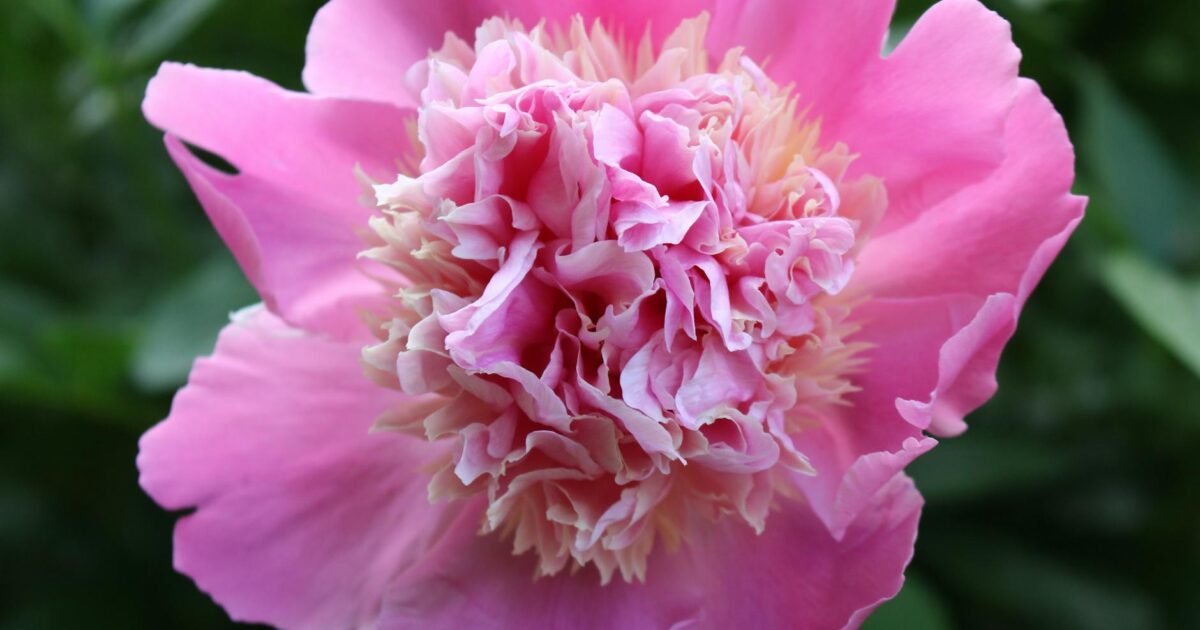
The sheer diversity found within peonies season is astonishing. From the delicate, single-petaled varieties that offer a simple elegance, to the lush, bomb-shaped doubles bursting with hundreds of ruffled petals, there’s a peony for every aesthetic. Colors range from pristine whites and soft creams to vibrant pinks, deep magentas, and rich reds, with some even showcasing striking bicolor patterns. Their intoxicating fragrance, often sweet and rosy, drifts gracefully on warm breezes, inviting closer inspection and adding another layer to the sensory experience of peonies season. One simply can’t walk past a blooming peony without leaning in for a grateful sniff.
Peony species can be broadly categorized into herbaceous, tree, and Itoh (intersectional) peonies. Herbaceous peonies die back to the ground each winter and re-emerge in spring, offering the most common garden varieties. Tree peonies, on the other hand, are woody shrubs that maintain their structure year-round, producing larger, often more dramatic blooms. Itoh peonies, a hybrid cross between herbaceous and tree peonies, combine the best of both worlds, featuring large, often fragrant flowers on sturdy, herbaceous-like foliage. As reported by gardening experts, each type offers a unique appeal and requires slightly different care, contributing to the vast array of choices available to enthusiasts in 2026.
Symbolism and Sentiments
Beyond their aesthetic charm, peonies carry a rich mix of symbolism that deepens their appeal during peonies season. Historically, they have been associated with prosperity, good fortune, romance, and honor, making them a popular choice for weddings and special celebrations. A bouquet of freshly cut peonies can instantly elevate any room, infusing it with a sense of luxury and natural beauty. They are a classic centerpiece, often seen gracing tables at garden parties or bringing cheer to a quiet breakfast nook. Their grand scale ensures they command attention, whether standing alone or arranged with other seasonal blooms.
In many cultures, peonies are considered a symbol of wealth and high social status. As reported by China Daily (Global Edition) on April 23, 2026, regions like Heze in China are renowned for their vast peony fields, attracting visitors eager to experience the ‘peony sea.’ This cultural significance underscores the flower’s long-standing appeal and its role in celebrations and traditional arts.
Enjoying Your Blooms: From Garden to Vase
Enjoying peonies season to its fullest often means more than just admiring them from afar. Many enthusiasts carefully select stems for cutting, ensuring they choose buds that are just beginning to show color and feel soft to the touch, like a marshmallow. These will then open beautifully indoors, extending the pleasure of their bloom within the home. Arranging them becomes a meditative act, a small ritual that connects us intimately with the cycles of nature. Even photographing them becomes a delightful pastime, attempting to capture their intricate layers and vibrant hues before the season wanes.
To maximize the enjoyment of cut peonies, proper preparation is key. Once cut, remove any foliage that will fall below the waterline in the vase, as this can promote bacterial growth and shorten the life of the blooms. Use clean, sharp scissors or a knife for cutting stems at an angle to increase the surface area for water absorption. Consider using flower food, which provides essential nutrients and helps maintain water quality. For peonies that are slow to open, a warm water soak for a few hours can sometimes encourage blooming.
Caring for Peonies: Seasonal Tasks for a Thriving Garden
As the days of peonies season slowly draw to a close, and the last petals gently drift to the ground, a bittersweet feeling often settles. Yet, this gentle farewell is not an ending but a promise. It’s a reminder that beneath the soil, the plants are gathering energy, preparing for their next spectacular performance. Gardeners will tend to their plants, perhaps dividing them or providing necessary nutrients, all with the future glory of next year’s peonies season in mind. Recent research highlights the importance of specific compounds like PdMATE16 and PdMATE35 for the accumulation of flavonoids in tree peonies, suggesting that optimizing soil health and nutrient uptake can contribute to more vibrant blooms, as noted by studies published in scientific journals like Frontiers. Additionally, tasks like fall care, including proper pruning and mulching, are essential for ensuring peonies come back even better the following year, as recommended by gardening experts at Homes & Gardens and other reputable horticultural publications.
Preparing your peonies for winter is a key step in ensuring their return. As noted by gardening resources, winterizing your peonies involves protecting the root system from harsh freezes. This typically includes cutting back the dead foliage after the first frost and applying a layer of mulch, such as straw or shredded leaves, around the base of the plant. This protective layer insulates the roots and prevents heaving from freeze-thaw cycles, a common issue in many regions. For those in areas with particularly cold winters, additional protection might be necessary. This proactive approach ensures the plant’s energy is focused on healthy root development, setting the stage for a spectacular display in the upcoming peonies season. As House & Garden reported on April 21, 2026, focusing on ‘joyful summer peonies’ begins with diligent care through all seasons, emphasizing that healthy plants are the foundation for abundant blooms.
Common Peony Problems and Solutions
While peonies are generally robust plants, they can occasionally face issues that might affect their bloom or overall health. One of the most common concerns for growers is the lack of blooming. This can stem from several factors: planting too deep (the eyes or buds should be no more than 1-2 inches below the soil surface), insufficient sunlight (peonies need at least 6-8 hours of direct sun daily), or overcrowding. Experts recommend checking planting depth and ensuring adequate sun exposure. If overcrowding is an issue, dividing the plant during its dormant season (fall) can revitalize it and encourage blooming.
Another frequent issue is the presence of botrytis blight, a fungal disease that can cause wilting, spotting, and blackening of stems and buds, especially in cool, damp weather. According to horticultural advice, prevention is key. This includes ensuring good air circulation around the plants, avoiding overhead watering, and promptly removing any infected plant material. As Yahoo noted on April 21, 2026, gardeners should be mindful of plant placement; certain plants, for instance, are not ideal for pots due to root system needs. While not directly about peonies, this highlights the broader understanding needed for successful container or in-ground gardening. For botrytis, prompt treatment with an appropriate fungicide, combined with improved cultural practices, can help manage the disease. Ants on peony buds are often misunderstood; they are typically attracted to the nectar produced by the buds and do not harm the plant. In fact, their presence can sometimes be an indicator of healthy bud development.
Planting and Propagation
The best time to plant peonies is in the fall, typically 4-6 weeks before the ground freezes. This allows the root system to establish itself before the onset of winter. When planting, dig a hole wide enough to accommodate the roots comfortably and deep enough so that the eyes (the small reddish or pinkish buds on the root crown) are no more than 1-2 inches below the soil surface. Planting too deep is a common reason for peonies failing to bloom.
Propagation is usually done through division of established clumps. This is best performed in the fall. Carefully dig up the entire plant and gently separate the root ball into sections, ensuring each section has at least three to five healthy buds and a good portion of root. Replant the divisions immediately at the correct depth. While peonies can be grown from seed, this is a very slow process, often taking several years for the first bloom to appear, and is generally undertaken by specialized breeders.
Peonies in Popular Culture
The captivating beauty of peonies has long captured the imagination, finding their way into art, literature, and even modern media. Their dramatic blooms and rich symbolism make them a perennial favorite. Recently, the anime community buzzed about illustrations from “The Apothecary Diaries,” where characters like Maomao and Joka were depicted alongside peonies, sparking discussions and fan art, as reported by ABEMA TIMES on April 24, 2026. This indicates the flower’s continued relevance and appeal across different cultural spheres.
The association of peonies with beauty and elegance makes them a constant presence in floral trends. As spring blossoms arrive each year, peonies are celebrated in various festivals, such as those mentioned in Hapcheon, South Korea, marking a happy season in full bloom, according to reports from April 20, 2026. These events not only showcase the flowers but also highlight their cultural importance and the joy they bring to communities.
Frequently Asked Questions
When is the best time to plant peonies?
The ideal time to plant peonies is in the fall, typically 4-6 weeks before the ground freezes. This allows the root system to establish itself over winter, leading to healthier growth and blooming in the following spring and summer seasons.
How much sun do peonies need?
Peonies thrive in full sun, requiring at least 6 to 8 hours of direct sunlight per day. While some varieties can tolerate partial shade, they may produce fewer blooms. Insufficient sunlight is a common reason for poor flowering.
Why are my peonies not blooming?
Several factors can cause peonies to fail to bloom. These include planting too deep (eyes should be 1-2 inches below the surface), inadequate sunlight, recent transplanting, severe winter damage, or nutrient deficiencies. Addressing these basic needs often resolves the issue.
How do I care for peonies after they bloom?
After blooming, continue to water and fertilize your peonies as needed. Do not cut back the foliage until after the first frost in the fall. The leaves photosynthesize and provide energy to the roots for the following year’s bloom. In fall, cut the dead stems back to about 6 inches from the ground and apply a layer of mulch for winter protection.
Are ants on peonies harmful?
No, ants on peony buds are generally not harmful. They are attracted to the sweet nectar that the buds secrete as they develop. Ants do not eat the buds or damage the plant; their presence is often a sign that the peonies are healthy and preparing to bloom.
Conclusion
Peonies season is a highlight of the horticultural calendar, offering unparalleled beauty and fragrance. From understanding their diverse varieties and rich symbolism to mastering their care and planting needs, enthusiasts have ample opportunity to cultivate these magnificent blooms. By following expert advice and staying informed about the latest horticultural insights, gardeners can ensure their peonies provide a spectacular display year after year. The enduring appeal of peonies, celebrated in festivals and popular culture alike, solidifies their status as a beloved garden treasure. We cherish every moment of their fleeting bloom, already anticipating the next spectacular peonies season.
Sabrina
2 writes for OrevateAi with a focus on agriculture, ai ethics, ai news, ai tools, apparel & fashion. Articles are reviewed before publication for accuracy.