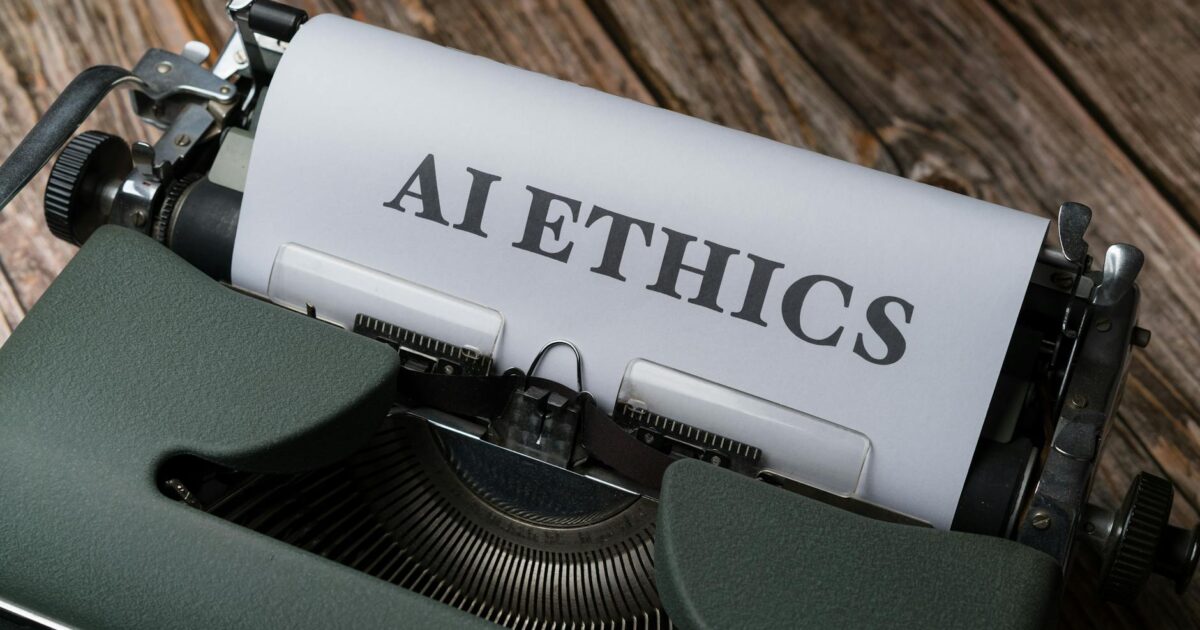
AI ethics and safety are no longer optional discussions; they’re foundational to trustworthy AI. This guide demystifies complex concepts and offers practical steps you can take to ensure AI development is responsible and secure. Let’s build a better AI future together.
Last updated: April 25, 2026 (Source: ai.gov)
Latest Update (April 2026)
As of April 2026, the integration of AI into critical sectors like healthcare and education continues to accelerate, bringing ethical and safety considerations to the forefront. Recent reports highlight the evolving challenges, moving beyond traditional cybersecurity concerns to address the nuanced gaps in clinical care, as noted by Docwire News on April 20, 2026. Similarly, local school systems are actively engaging with AI, with publications like reflector.com on April 22, 2026, detailing their cautious yet progressive steps into the AI arena. The development of international standards, such as ISO 42001, is also paving the way for more structured approaches to ethical AI management, as reported by EY on April 21, 2026. The media and entertainment industry, as showcased at SXSW 2026, is exploring AI’s impact, while broader industry shifts underscore the pervasive influence of AI ethics across all sectors, according to The Detroit Bureau on April 23, 2026. These developments emphasize the ongoing need for robust ethical frameworks and safety protocols.
What are AI Ethics and Safety?
At its core, AI ethics and safety is about ensuring that artificial intelligence systems are developed and deployed in ways that benefit humanity and minimize harm. It’s a multidisciplinary field concerned with the moral principles, values, and guidelines that should govern AI’s creation and use. This includes everything from preventing biased outcomes to ensuring AI systems don’t pose existential risks.
Think of it as building guardrails for a powerful new technology. We want AI to help us solve big problems, but we also need to make sure it doesn’t create new ones. This involves considering fairness, transparency, accountability, and the potential societal impact of AI.
Why are AI Ethics and Safety Crucial?
The stakes are incredibly high. AI is rapidly becoming integrated into critical aspects of our lives, from healthcare diagnoses and financial lending to autonomous vehicles and criminal justice. Unchecked AI can perpetuate and even amplify existing societal biases, leading to discriminatory outcomes. Reports indicate how a seemingly minor bias in training data can lead to unfair loan rejections for entire communities.
Furthermore, as AI systems become more powerful and autonomous, concerns about control and unintended consequences grow. Ensuring AI safety means proactively addressing potential risks, such as AI systems acting in ways misaligned with human values or being misused for malicious purposes. The potential for widespread impact necessitates a rigorous approach to ethics and safety.
The development of advanced AI, including sophisticated large language models and generative AI, introduces new complexities. These systems can create highly convincing synthetic content, which raises concerns about misinformation and deepfakes. As AI capabilities expand, understanding and mitigating these risks becomes paramount to maintaining societal trust and stability.
“The development of full artificial intelligence could spell the end of the human race… It would take off on its own, and re-design itself at an ever-increasing rate. Humans, who are limited by slow biological evolution, couldn’t compete, and would be superseded.”
– Stephen Hawking, in a 2014 interview with BBC News
Key Principles of Ethical AI
Several core principles guide the development of ethical AI. These are not rigid rules, but rather a framework for ongoing consideration and decision-making. Adhering to these principles helps build trust and ensures AI serves human interests.
These principles include:
- Fairness and Non-Discrimination: AI systems should treat individuals and groups equitably, avoiding unfair bias based on race, gender, age, or other protected characteristics. This requires careful data curation and algorithmic design.
- Transparency and Explainability: It should be possible to understand how an AI system arrives at its decisions, especially in high-stakes applications. This is often referred to as ‘explainable AI’ (XAI).
- Accountability: Clear lines of responsibility must be established for the outcomes of AI systems. When something goes wrong, we need to know who is accountable.
- Privacy: AI systems must respect user privacy and handle personal data securely and ethically, complying with regulations like GDPR and other evolving data protection laws.
- Safety and Reliability: AI systems should function as intended, without causing harm, and be robust against errors or malicious attacks.
- Human Oversight: Critical decisions, particularly those with significant human impact, should retain a level of human judgment and intervention.
- Beneficence: AI systems should be designed to actively promote human well-being and societal benefit.
Practical Strategies for AI Safety
Moving from principles to practice requires concrete actions. Implementing AI safety measures is an ongoing process, not a one-time fix. The most effective strategies involve a combination of technical solutions and solid organizational processes.
Treating AI safety as an afterthought is a common mistake. Developers might focus solely on performance metrics, only to realize later that the system is exhibiting unsafe behaviors. It’s far more efficient and effective to integrate safety considerations from the very beginning of the development lifecycle.
Here are some practical strategies:
- Rigorous Testing and Validation: Thoroughly test AI models under diverse conditions, including edge cases and adversarial attacks. This goes beyond standard accuracy metrics to assess robustness and safety.
- Bias Detection and Mitigation: Employ tools and techniques to identify and reduce bias in training data and model outputs. Regularly audit systems for fairness.
- Secure Development Practices: Implement strong cybersecurity measures to protect AI models from tampering and unauthorized access. Secure coding practices and robust access controls are essential.
- Human-in-the-Loop Systems: Design systems where humans can monitor, intervene, and override AI decisions when necessary, especially in sensitive domains like healthcare or law enforcement. This ensures human judgment remains central.
- Formal Verification Methods: For critical AI systems, explore formal methods to mathematically prove certain safety properties, providing a higher degree of assurance.
- Red Teaming: Actively try to ‘break’ your AI system by simulating potential failures or misuse scenarios to identify vulnerabilities before deployment. This proactive approach helps uncover weaknesses.
- Continuous Monitoring and Evaluation: AI systems operate in dynamic environments. Ongoing monitoring is necessary to detect performance degradation, emergent biases, or safety issues after deployment.
- Data Governance and Provenance: Maintain clear records of data sources, processing steps, and model versions. This aids in debugging, auditing, and ensuring compliance.
Important: Be wary of AI systems that claim to be ‘perfectly safe’ or ‘unbiased.’ True AI safety and ethics involve continuous vigilance, adaptation, and a commitment to improvement. No system is infallible.
Common Pitfalls to Avoid in AI Development
Several common pitfalls can undermine AI ethics and safety efforts. Awareness of these traps can help development teams steer clear of them.
- Data Bias: Using datasets that reflect historical societal biases can lead to AI systems that discriminate. This is a persistent challenge that requires constant attention.
- Lack of Transparency: ‘Black box’ AI models, where decision-making processes are opaque, erode trust and make it difficult to identify and correct errors or biases.
- Over-reliance on Automation: Assuming AI systems can operate without human oversight, especially in complex or nuanced situations, can lead to significant errors and harm.
- Ignoring Edge Cases: Failing to account for unusual or rare scenarios can result in unpredictable and potentially dangerous AI behavior when those situations arise.
- Security Vulnerabilities: Inadequate security measures can expose AI systems to manipulation, data breaches, or malicious attacks, compromising their integrity and safety.
- Ethical Drift: As AI systems evolve or are updated, their ethical alignment can shift. Regular ethical audits are necessary to prevent ‘ethical drift.’
- Misaligned Objectives: When the objectives an AI is optimized for do not perfectly align with human values or desired outcomes, unintended negative consequences can occur.
The Role of Regulation and Governance
As AI technology matures, so does the need for effective regulation and governance. Governments, international bodies, and industry consortia are actively developing frameworks to guide AI development and deployment. As reflector.com reported on April 22, 2026, local school systems are also creating their own policies to manage AI integration responsibly.
International standards bodies like ISO are developing certifications and guidelines, such as ISO 42001, to promote ethical AI practices across organizations, as EY noted on April 21, 2026. These frameworks aim to establish benchmarks for accountability, transparency, and risk management.
Key areas of regulatory focus include:
- Data Privacy and Protection: Ensuring AI systems comply with data protection laws and respect individual privacy.
- Algorithmic Transparency: Mandating explanations for AI decisions in critical applications.
- Accountability Mechanisms: Defining legal and ethical responsibility for AI-driven actions.
- Safety Standards: Establishing performance and safety benchmarks for AI systems, particularly in high-risk sectors.
- Restrictions on High-Risk Applications: Some AI applications, such as certain forms of autonomous weaponry or pervasive social scoring systems, may face outright bans or strict limitations.
The regulatory landscape is dynamic, with continuous updates and new legislation being proposed globally. Organizations developing or deploying AI must stay informed about these evolving requirements.
Real-World Impact and Future Outlook
The impact of AI ethics and safety failures can be profound. Discriminatory algorithms in hiring or lending can perpetuate inequality. Autonomous vehicle accidents raise questions about liability and safety standards. AI-generated misinformation can destabilize democratic processes.
Conversely, ethical and safe AI has the potential to drive unprecedented progress. AI can accelerate scientific discovery, improve healthcare outcomes, enhance educational experiences, and help address climate change. For example, AI is being used as of April 2026 to analyze complex climate models and identify potential solutions.
The future outlook depends heavily on our collective commitment to responsible AI development. As AI systems become more capable, the potential for both immense benefit and significant harm increases. Proactive ethical considerations and robust safety measures are not just technical requirements; they are societal imperatives.
The media and entertainment industry, for instance, is grappling with AI’s creative potential and the ethical implications of AI-generated content, as observed in discussions around SXSW 2026. This highlights the need for ongoing dialogue across all sectors about how AI should be integrated into society.
Your Role in Promoting Responsible AI
Promoting responsible AI is a shared responsibility. Whether you are a developer, a policymaker, a business leader, or a consumer, you have a role to play.
- Developers and Engineers: Prioritize ethical design and safety from the outset. Continuously learn about best practices and emerging risks.
- Organizations: Establish clear AI governance policies, invest in ethical AI training, and foster a culture of responsibility. Conduct regular audits and impact assessments.
- Policymakers: Develop informed, adaptable regulations that balance innovation with public safety and ethical considerations. Collaborate internationally.
- Consumers: Educate yourselves about AI, question its use, demand transparency, and advocate for ethical AI practices.
By working together, we can help ensure that AI technologies are developed and used in ways that align with human values and contribute to a more just, equitable, and prosperous future for all.
Frequently Asked Questions
What is the difference between AI ethics and AI safety?
AI ethics focuses on the moral principles and values that should guide the development and use of AI, ensuring it is fair, just, and beneficial. AI safety focuses on preventing unintended harm, ensuring AI systems are reliable, secure, and controllable, and mitigating potential risks, including existential ones.
How can organizations ensure their AI systems are unbiased?
Organizations can work to mitigate bias by carefully curating diverse and representative training data, employing bias detection tools during development and testing, conducting regular audits of AI system outputs, and implementing human oversight in decision-making processes. Transparency about potential biases is also key.
Is AI regulation keeping pace with AI development?
The pace of AI development is extremely rapid, and regulators globally are working to catch up. While significant progress has been made in establishing frameworks and guidelines, the dynamic nature of AI means that regulations are constantly evolving. Organizations must remain vigilant about new legal and ethical requirements.
What are the biggest risks associated with AI in 2026?
As of April 2026, major risks include the amplification of societal biases leading to discrimination, the spread of AI-generated misinformation and deepfakes, potential job displacement due to automation, security vulnerabilities in AI systems, and concerns about the long-term control and alignment of highly advanced AI systems with human values. As Docwire News reported on April 20, 2026, even in clinical care, AI safety gaps beyond cybersecurity are a significant concern.
How can I contribute to the ethical development of AI?
Individuals can contribute by educating themselves about AI, supporting organizations committed to responsible AI, providing feedback on AI systems they use, advocating for ethical AI policies, and, if in a technical role, actively incorporating ethical considerations and safety practices into their work.
Conclusion
AI ethics and safety are indispensable components of responsible AI development and deployment in 2026. By understanding the core principles, implementing practical safety strategies, avoiding common pitfalls, and engaging with evolving regulations, we can harness the transformative potential of AI while mitigating its risks. Continuous vigilance, interdisciplinary collaboration, and a commitment to human values are essential as we shape the future of artificial intelligence.
Sabrina
2 writes for OrevateAi with a focus on agriculture, ai ethics, ai news, ai tools, apparel & fashion. Articles are reviewed before publication for accuracy.