How Much Does Breast Augmentation Cost in 2026?
Many individuals considering breast augmentation begin their journey with a fundamental question: how much does breast augmentation cost? It’s a common query, and understandably so, as financial planning plays a significant role in any major personal decision. However, providing a single, definitive answer to this question is not possible because the overall price tag for breast augmentation is influenced by a wide array of factors, creating a spectrum of costs rather than a fixed sum. Understanding these variables will give you a clearer picture of what to expect when you explore this cosmetic procedure in 2026.
Latest Update (April 2026): Medical innovation continues to enhance breast augmentation options, with a focus on personalized choices and patient safety. As reported by KOIN.com on April 21, 2026, Natrelle is sharing insights into breast augmentation and personalized options as patients prepare for the summer season. Furthermore, advancements in implant technology are reshaping the safety conversation, as highlighted by Star-Herald on April 21, 2026, moving from a topic of taboo to one increasingly defined by medical innovation. Zuri Plastic Surgery has also introduced new options like Motiva Preservé® Breast Augmentation in Miami, as noted by EIN News on April 20, 2026, indicating a dynamic and evolving market.
Understanding the Core Cost Components
Typically, the total cost of breast augmentation encompasses several key components. The most substantial portion usually comes from the surgeon’s fee, which reflects their expertise, board certification status, years of experience, and geographic location. A highly experienced, board-certified plastic surgeon in a major metropolitan area will generally charge more than a less experienced surgeon in a smaller town, and this difference can be significant. For 2026, surgeon fees can range widely, often from $4,000 to $10,000 or more. Fees for anesthesia, administered by a certified anesthesiologist or nurse anesthetist, vary depending on the procedure’s length and complexity, typically adding $500 to $3,000. The surgical facility fee covers the use of the operating room, specialized equipment, and the nursing staff. These fees can range from $1,000 to $5,000, depending on the facility’s accreditation and resources. These three elements form the foundation of what contributes to the overall cost.
The Impact of Implant Choice on Cost
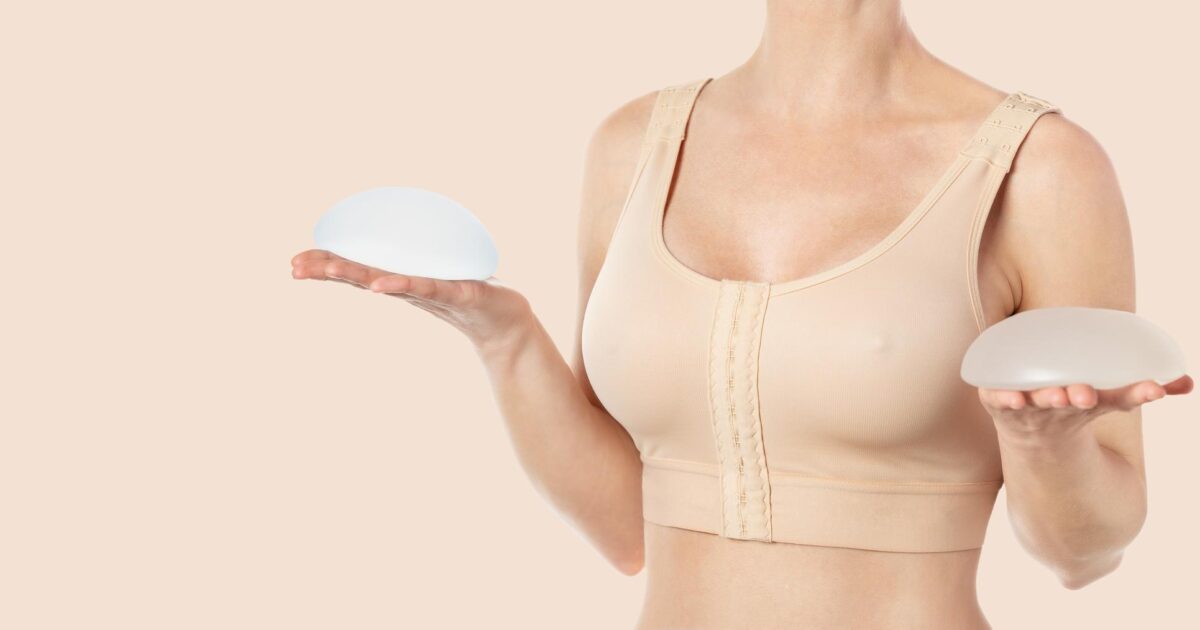
Beyond these core services, the type of breast implants chosen plays a critical role in the final price. Patients typically have a choice between saline and silicone implants. Saline implants are generally less expensive, as they are filled with sterile salt water after being placed, making them easier to insert with a potentially smaller incision. As of April 2026, saline implants typically cost between $600 to $1,200 per pair. Silicone implants, pre-filled with a cohesive gel, tend to have a higher upfront cost. Newer generations of silicone implants, sometimes referred to as “gummy bear” implants, offer a more stable form and a natural feel, and are often at the higher end of the implant price range due to their advanced technology. The cost for silicone implants can range from $1,000 to $2,500 or more per pair. Your preference for implant material directly impacts the overall expense, with silicone implants usually adding $300 to $1,000 to the total cost compared to saline options.
Additional and Indirect Expenses
It’s important to consider additional expenses that might not be immediately apparent but are crucial to the overall investment. Before surgery, you may incur costs for initial consultations with your chosen surgeon, which can range from $100 to $500. Pre-operative medical tests, including blood work and mammograms, are also necessary, typically costing between $200 and $800. As highlighted by UCLA Health, women should be aware of ongoing maintenance requirements for silicone breast implants, which can involve future costs. Post-surgery, patients often need specialized compression bras or garments to aid in healing and reduce swelling; these can cost between $50 and $300. Medications, such as pain relievers and antibiotics, are necessary for a comfortable and safe recovery period, adding an estimated $50 to $200. Future follow-up appointments are typically included for a certain period post-surgery, but any appointments beyond the standard timeframe might accrue further charges. These additions collectively contribute to the total expenditure.
Potential Long-Term Costs and Considerations
Potential long-term costs should not be overlooked when calculating the total investment in breast augmentation. While breast implants are designed for durability, they are not considered lifetime devices. There’s always a possibility, though not a certainty, that implants may need replacement or revision surgery in the future. Reasons for revision can include rupture, capsular contracture (scar tissue tightening around the implant), implant malposition, or simply a patient’s desire for a different size or shape as their body changes over time. The cost of revision surgery can vary significantly, often ranging from $3,000 to $8,000 or more, depending on the complexity. This means that the initial cost is only part of the financial picture; a more complete assessment includes the possibility of future procedures.
Geographic Location: A Major Price Determinant
Geographic location plays a significant role in price variation for breast augmentation. Surgical costs can be considerably higher in certain states or cities where the cost of living and medical practice expenses are elevated. For instance, procedures in major metropolitan areas like New York City, Los Angeles, or Miami will almost certainly command higher prices than in less populated regions or states with lower overheads. Reports as of April 2026 indicate that average costs in high-cost-of-living areas can be 20-30% higher than the national average. This regional difference means that the total cost can fluctuate dramatically from one part of the country to another, with some estimates suggesting a difference of several thousand dollars for the exact same procedure.
Innovation in Breast Augmentation in 2026
The field of breast augmentation is continuously evolving, driven by medical innovation and patient demand. As reported by Star-Herald on April 21, 2026, advancements are changing the safety conversation around breast implants, moving towards greater transparency and technological integration. For example, newer implant technologies are being developed with enhanced safety features and improved aesthetic outcomes. Motiva Preservé®, introduced by Zuri Plastic Surgery in Miami, as mentioned by EIN News on April 20, 2026, represents a specific type of augmentation designed with patient outcomes in mind. Additionally, companies like Natrelle are focusing on personalized options, as detailed in their April 21, 2026, insights shared via KOIN.com, suggesting a trend towards tailoring procedures to individual patient needs and goals, particularly as summer approaches. These innovations aim to provide safer, more natural-looking results and a better patient experience.
Safety, Health, and Informed Decision-Making
Concerns about the safety and health implications of cosmetic surgery are a vital consideration for anyone contemplating breast augmentation. Reputable medical institutions and organizations provide valuable information to help patients make informed decisions. Yale Medicine, for example, has addressed questions regarding whether breast implants raise the risk of developing cancer, underscoring the importance of thorough research and open consultation with qualified medical professionals. While major health organizations generally consider breast implants safe for most individuals, potential risks exist, as with any surgical procedure. Recent reports, such as Valerie Bertinelli’s description of “gross” complications from her breast implants, which she likened to a “horror movie” according to AOL.com on April 24, 2026, highlight the importance of understanding potential adverse outcomes and the need for skilled surgeons. Patients must discuss their medical history, any pre-existing conditions, and their expectations thoroughly with their surgeon to ensure they are well-informed about both the benefits and potential risks.
Choosing the Right Surgeon and Facility
When you’re seriously considering this procedure, remember that choosing a surgeon solely based on the lowest price can be risky. Quality, safety, and natural-looking results are paramount, and these often come with a commensurate investment in an experienced, board-certified plastic surgeon and an accredited surgical facility. Look for surgeons who are members of professional organizations like the American Society of Plastic Surgeons (ASPS) or the American Society for Aesthetic Plastic Surgery (ASAPS). Accreditation of the surgical facility by organizations such as The Joint Commission or AAAASF ensures adherence to high safety standards. A qualified surgeon will provide a comprehensive explanation of the procedure, discuss all potential risks and benefits, and create a personalized surgical plan tailored to your anatomy and aesthetic goals.
Financing Options for Breast Augmentation
Recognizing that breast augmentation represents a significant financial commitment, most plastic surgery practices offer various financing options to help make the procedure more accessible. Many surgeons partner with third-party medical loan companies, such as CareCredit or Prosper Healthcare Lending, which specialize in financing cosmetic procedures. These companies often offer flexible payment plans with competitive interest rates, allowing patients to spread the cost over several months or years through manageable monthly payments. Some practices may also offer in-house financing plans. It is essential to discuss these options thoroughly with the practice’s financial coordinator to understand the terms, interest rates, and repayment schedules associated with each option.
Frequently Asked Questions
What is the average total cost of breast augmentation in 2026?
As of April 2026, the average total cost for breast augmentation can range from $8,000 to $15,000 or more. This figure typically includes surgeon fees, anesthesia fees, facility costs, and the cost of the implants themselves. However, this is an average, and the final price can be higher or lower depending on the factors previously discussed, such as surgeon experience, geographic location, and implant type.
Are breast implants considered a medical necessity?
In most cases, breast augmentation is considered a cosmetic procedure and is therefore not covered by health insurance. However, there are exceptions. If breast implants are being used for reconstructive purposes following a mastectomy or to correct a congenital deformity, they may be covered by insurance. Patients should always verify their specific coverage with their insurance provider and discuss potential medical necessity with their surgeon.
How much do revision surgeries for breast implants cost?
Revision surgeries for breast implants can vary widely in cost, typically ranging from $3,000 to $8,000 or more. This price depends on the complexity of the procedure, whether it involves implant replacement, removal, or addressing complications like capsular contracture. It’s crucial to factor in the potential need for future revision surgeries when considering the long-term financial commitment of breast implants.
What are “gummy bear” breast implants, and how do they affect cost?
“Gummy bear” implants, also known as highly cohesive silicone gel implants, are designed to maintain their shape and provide a natural feel. They are made of a gel that is more viscous than traditional silicone implants, meaning it holds its form even if the implant shell is breached. As of April 2026, these advanced implants typically cost more than standard silicone or saline implants, often adding $300 to $1,000 to the overall price of the procedure due to their sophisticated design and materials.
Are there any new safety concerns with breast implants in 2026?
While breast implants have a long history of use and are generally considered safe by major medical bodies, ongoing research and vigilance are important. As highlighted by Star-Herald on April 21, 2026, medical innovation is actively shaping the safety conversation. Concerns have been raised in the past regarding specific types of implants and rare conditions like Breast Implant-Associated Anaplastic Large Cell Lymphoma (BIA-ALCL). Reputable sources like the FDA and ASPS provide updated information on implant safety. Patients should always discuss any concerns with their surgeon, who can provide the latest data and guidance based on current medical understanding.
Conclusion
Understanding the cost of breast augmentation in 2026 involves looking beyond a single price tag. It’s a multifaceted investment influenced by surgeon expertise, implant choice, geographic location, facility fees, and potential future needs. While the initial outlay can range significantly, careful financial planning, exploring financing options, and prioritizing safety and quality with a board-certified surgeon are essential steps. By gathering comprehensive information and having open discussions with your surgeon, you can make an informed decision that aligns with your aesthetic goals and financial readiness.
Sabrina
2 writes for OrevateAi with a focus on agriculture, ai ethics, ai news, ai tools, apparel & fashion. Articles are reviewed before publication for accuracy.