
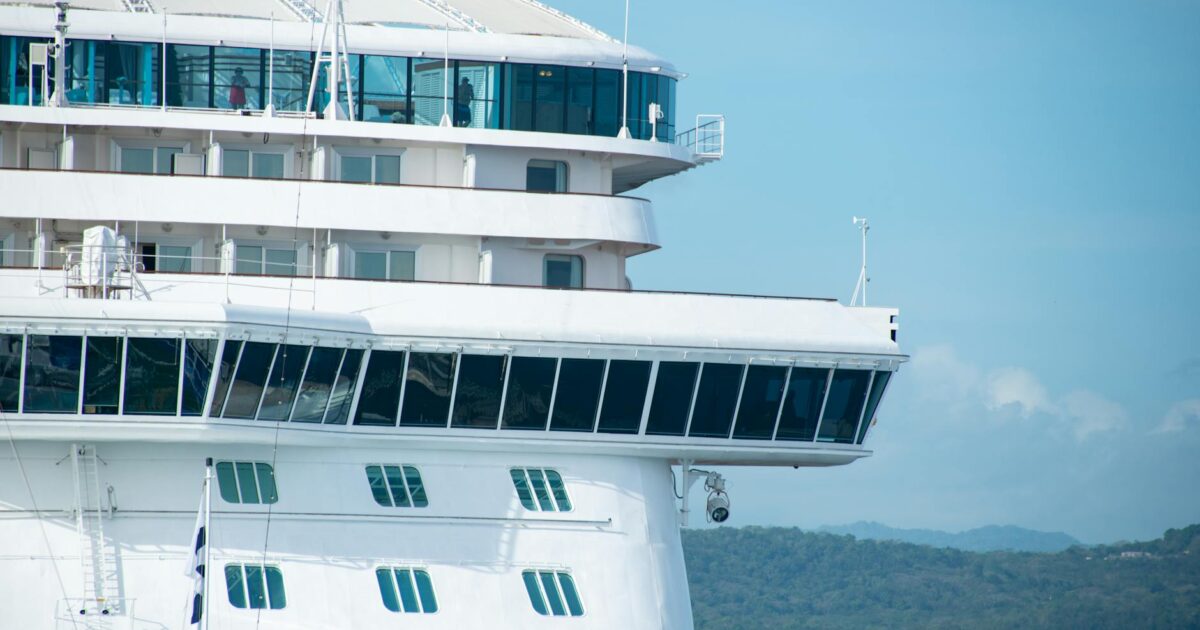
An embarkation port truly serves as the pulsating heart of any sea voyage, marking the exciting genesis of an adventure for countless travelers. It’s more than just a geographic point on a map; it represents the ultimate gateway where dreams of discovery, relaxation, and new horizons begin to materialize. This vital nexus is where the anticipation of a journey transforms into reality, connecting passengers with their vessel and setting the stage for unforgettable experiences on the open water. Understanding the complex role of an embarkation port reveals why it’s so much more than a simple dockside facility.
Essentially, an embarkation port is the specific location from which a ship, most commonly a cruise liner, officially departs with its passengers. This is the designated terminal where all guests must arrive, check in, clear security, and board their assigned vessel. Think of it as the grand entrance hall to a floating resort or an explorer’s launchpad. The operations here are meticulously coordinated, ensuring a smooth flow for thousands of individuals, along with their luggage and all the necessary provisions for the ship’s journey ahead. From the moment you approach, the energy of an embarkation port is palpable, buzzing with the excitement of impending travel.
The experience at an embarkation port typically begins long before you even step foot on the gangway. Travelers often arrive in the host city a day or two early, soaking in the local culture or simply relaxing before their departure. On the actual embarkation day, the atmosphere is electric. Passengers gather, navigating through well-organized queues for check-in where travel documents are verified and boarding passes issued. Next, security checks mirror airport procedures, ensuring everyone’s safety. After that, luggage is dropped off to be delivered directly to cabins, freeing guests to enjoy their initial moments on board unencumbered. This structured process at the embarkation port is designed to minimize stress and maximize efficiency.
Beyond the passenger experience, an embarkation port functions as an incredibly complex logistical hub. It’s a hive of activity where massive cruise ships are provisioned with everything from food and beverages to fuel and fresh linens. Hundreds of crew members coordinate tirelessly to load supplies, manage waste, and ensure the ship is in pristine condition for its next sailing. The synchronization required to turn a vessel around, disembarking thousands of passengers and then embarking another cohort, all while resupplying, is a marvel of modern operational planning. Each embarkation port has its own unique layout and processes, but all share the common goal of facilitating a timely departure.
Latest Update (April 2026)
The cruise industry is continuously evolving its embarkation processes to enhance passenger convenience and efficiency. As of April 2026, Princess Cruises has introduced staggered embarkation, implementing an ‘Arrival Group’ system for its sailings departing from Florida ports. This initiative aims to reduce congestion at the terminal, providing a more organized and streamlined boarding experience for guests, as reported by Cruise Fever and Travel And Tour World on April 24, 2026. This move by Princess Cruises reflects a broader industry trend towards optimizing the initial stages of the cruise journey.
Further demonstrating the growth and development in key cruise hubs, the Gulf Coast is seeing significant attention. Galveston Cruise Port, for instance, is undergoing an outlook for expansion that points towards accommodating larger ships, enhancing terminal facilities, and meeting rising passenger demand. This expansion, as detailed by Travel And Tour World on April 25, 2026, signals a robust future for cruise operations in this region. Additionally, Norwegian Cruise Line has returned to Philadelphia, inaugurating a new terminal and offering sailings throughout 2026, as reported by Travel And Tour World on April 20, 2026. These developments highlight substantial investments in infrastructure and new service offerings across various embarkation points.
Recent developments also underscore ongoing investments and operational adjustments at major embarkation ports. For instance, Boston’s Flynn Cruiseport continues its significant renovation, which has led to temporary tent check-ins, impacting the embarkation process for passengers, as reported by Travel And Tour World on April 2, 2026. This illustrates the dynamic nature of these facilities and the necessity for travelers to stay informed about specific port conditions. Carnival has also updated its 2026 Panorama Mexican Riviera cruises with revised port calls and later departures, aiming to optimize the passenger experience, according to Travel And Tour World on March 22, 2026. Such updates demonstrate cruise lines’ commitment to refining the journey from the very start.
The Economic Engine of Embarkation Ports
The presence of an embarkation port brings significant economic benefits to its host city and surrounding regions. It drives tourism, as passengers often stay overnight before or after their cruise, contributing to local hotels, restaurants, and attractions. The port itself generates numerous employment opportunities, from terminal staff and security personnel to baggage handlers and logistics coordinators. The demand for supplies by cruise lines also supports local businesses, creating a ripple effect of economic activity that extends far beyond the immediate dockside area. Therefore, an embarkation port isn’t just a point of departure for travelers, but also an economic engine for its community.
Choosing Your Embarkation Port
When planning your next cruise, selecting the right embarkation port can significantly enhance your overall travel experience. Factors such as proximity to your home, ease of air travel connections, and the availability of pre-cruise excursions in the port city often play a role in this decision. Some travelers prefer a departure point they can easily drive to, while others seek out iconic ports like Miami, Fort Lauderdale, or Barcelona, which are destinations in themselves.
Researching recent passenger reviews for your chosen embarkation port is highly recommended. These reviews offer the most up-to-date insights on wait times, operational efficiency, and any temporary changes, such as those experienced at Boston’s Flynn Cruiseport during its renovation. Carefully considering the location and amenities of your embarkation port allows you to integrate it smoothly into your wider travel itinerary, perhaps even transforming the pre-cruise stay into a mini-vacation of its own. Popular embarkation ports in 2026 continue to include major hubs like Miami, Seattle, Rome (Civitavecchia), and Vancouver, each offering unique pre-cruise experiences.
Preparing for a Smooth Embarkation Day
To ensure a smooth and stress-free embarkation day, thorough preparation is key. Always arrive at the embarkation port with all necessary documents readily accessible, including passports, visas, vaccination records (if required), and boarding passes. Familiarize yourself with the port’s specific procedures and recommended arrival times; cruise lines often assign staggered arrival windows to manage passenger flow.
Utilize online check-in options offered by cruise lines whenever possible. This process, available through most major cruise lines for 2026 sailings, can dramatically speed up your time at the terminal by pre-verifying information and issuing digital boarding passes. Packing essentials in a small, easily accessible carry-on bag is also advisable. Include items like medications, swimwear, a change of clothes, important documents, and any valuables. Your main luggage will be collected and delivered to your cabin, which may take several hours. Having these essentials with you ensures you can start enjoying your cruise immediately upon boarding.
Navigating Port Terminals and Security
Embarkation port terminals are designed for high-volume traffic, often resembling busy airports. Upon arrival, you’ll typically follow signs for check-in or bag drop. Many ports now offer sophisticated baggage handling systems, where your luggage is tagged and sent directly to your stateroom, allowing you to proceed to security screening unencumbered. This system, refined over years of operation, aims to expedite the boarding process.
Security procedures at embarkation ports are robust and comprehensive, similar to airport security. Passengers will need to pass through metal detectors and have their carry-on baggage screened by X-ray machines. Prohibited items, which vary slightly by cruise line but generally include fireworks, illegal drugs, and certain weapons, will be confiscated. It is crucial to review your cruise line’s specific list of prohibited items before you pack to avoid any last-minute issues. Understanding and adhering to these security measures contributes to a safe and efficient embarkation process for all.
The Role of Technology in Embarkation
Technology plays an increasingly vital role in modern embarkation port operations. Many cruise lines now utilize advanced facial recognition software and mobile apps to streamline the check-in and boarding process. These digital tools can verify passenger identities, display vaccination status, and even facilitate digital room keys, significantly reducing paper usage and manual processing. For example, apps often allow passengers to track their luggage in real-time, providing peace of mind.
Online check-in has become standard practice, allowing passengers to complete much of the required paperwork from home. This not only saves time at the port but also allows cruise lines to better manage passenger flow throughout the day. Advanced data analytics also help port authorities and cruise lines predict passenger volumes, optimize staffing levels, and identify potential bottlenecks before they occur. As of 2026, the integration of AI and machine learning is further enhancing predictive capabilities, leading to more responsive and efficient port operations.
Frequently Asked Questions
What is the difference between an embarkation port and a disembarkation port?
An embarkation port is where passengers board the ship to begin their journey, while a disembarkation port is where passengers leave the ship at the end of their cruise. Embarkation involves check-in, security, and boarding, whereas disembarkation involves customs, immigration, and leaving the ship.
When should I arrive at the embarkation port?
Most cruise lines recommend arriving at the embarkation port at least 2-3 hours before the scheduled departure time. However, with staggered embarkation systems like those introduced by Princess Cruises in 2026, it’s essential to follow the specific arrival time or group assigned by your cruise line to avoid congestion.
Can I bring my own alcohol onboard?
Policies on bringing alcohol vary significantly by cruise line. Some allow a limited quantity of wine or champagne, often with a corkage fee if consumed in the ship’s dining venues, while others prohibit any alcohol. Always check your cruise line’s specific policy regarding alcoholic beverages before your sailing.
How is luggage handled at the embarkation port?
Upon arrival, your main luggage is typically handed over to port staff or tagged and placed on a conveyor belt. It will then be delivered to your stateroom by the ship’s crew. It’s advisable to pack essentials like medications, documents, and a change of clothes in your carry-on bag, as main luggage may take several hours to arrive.
What happens if I miss my cruise departure?
Missing your cruise departure is a serious issue. If you are late, the ship will not wait. You are responsible for making your own arrangements to catch up with the ship at its next port of call, which can incur significant additional costs for travel, accommodation, and visas. It is critical to plan your travel to the embarkation port with ample buffer time.
Conclusion
An embarkation port is far more than a mere point of departure; it is a dynamic, intricate hub where the excitement of travel meets complex logistical operations. From the initial anticipation of passengers to the meticulous coordination of ship provisioning and crew management, every element works in concert to ensure a safe, efficient, and enjoyable start to your voyage. By understanding the processes, preparing adequately, and staying informed about the latest developments—such as the staggered boarding systems being implemented by cruise lines like Princess Cruises in 2026—travelers can significantly enhance their embarkation experience. As ports and cruise lines continue to innovate with technology and infrastructure, the gateway to your next adventure promises to be smoother and more exciting than ever before.
Sabrina
2 writes for OrevateAi with a focus on agriculture, ai ethics, ai news, ai tools, apparel & fashion. Articles are reviewed before publication for accuracy.


