
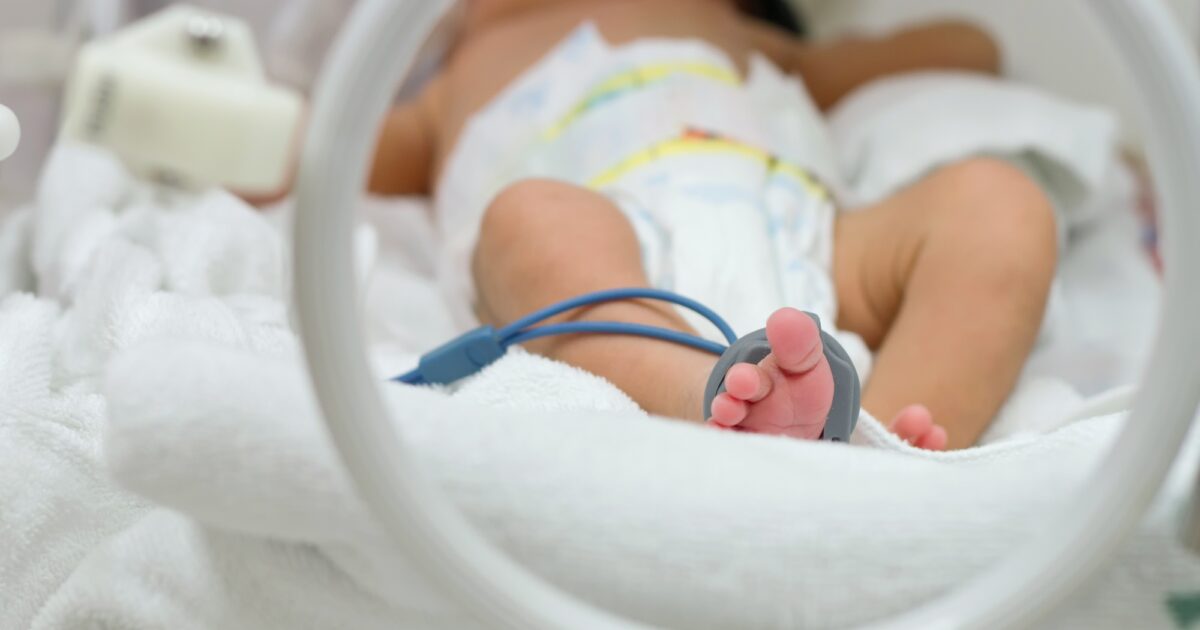
Welcoming a new baby is an incredibly special moment. For parents of premature or low birth weight infants, the journey often involves unique considerations, especially regarding nutrition. Ensuring these tiny fighters receive optimal nourishment is paramount for their rapid development and catch-up growth. This is where specialized infant nutrition like Neosure formula plays a significant role. It’s a specially designed infant formula providing advanced nutrition to help these vulnerable babies thrive outside the womb.
Last updated: April 26, 2026
Latest Update (April 2026)
As of April 2026, ongoing legal actions continue to address concerns surrounding certain infant formulas, including those designed for premature infants. Lawsuits filed in recent years have alleged potential links between specific formulas, such as Similac NeoSure, and conditions like Necrotizing Enterocolitis (NEC) in preterm infants. As reported by AboutLawsuits.com and Drugwatch.com, these legal proceedings involve major manufacturers like Abbott Laboratories, with claims dating back to late 2021 and continuing into 2026. Parents are advised to stay informed about these developments and discuss any concerns with their healthcare providers. Reports from sources like Law Commentary also highlight the gravity of these legal actions. Furthermore, while infant formula shortages have presented challenges, as noted by ABC News in February 2026, ensuring the availability of specialized formulas like Neosure remains a priority for healthcare providers and parents.
The U.S. Food and Drug Administration (FDA) continues to monitor infant formula production and safety. While no specific recalls for Neosure formula have been widely reported in early 2026, vigilance regarding product quality and potential contaminants remains high within the industry. Parents should always purchase formula from reputable sources and check expiration dates carefully.
Understanding Premature Baby Nutritional Needs
Understanding the specific needs of premature babies highlights the careful formulation of Neosure. Unlike full-term infants, preemies have a higher demand for calories, protein, and certain vitamins and minerals to support their accelerated growth and organ development. Standard infant formulas may not meet these intensified nutritional requirements. Neosure formula, on the other hand, is fortified to deliver this extra support during a critical period of development.
Preterm infants often face challenges with digestion and absorption due to immature gastrointestinal systems. Their higher metabolic rate means they burn calories more quickly, necessitating a nutrient-dense diet. The goal of specialized formulas like Neosure is to bridge this nutritional gap, promoting healthy weight gain, neurodevelopment, and overall physical maturation. Without adequate nutrition, preemies are at higher risk for developmental delays, infections, and chronic health issues.
Neosure Formula Composition and Benefits
At its core, Neosure formula’s higher caloric density characterizes its advanced nutritional profile. This means a smaller volume of formula provides more energy, essential for babies who may have difficulty consuming large amounts or burn calories more quickly. As of April 2026, the standard Neosure formula typically provides approximately 22 calories per fluid ounce, which is higher than many standard formulas that offer around 20 calories per fluid ounce. This increased energy density is vital for supporting the rapid growth spurts characteristic of premature infants.
The protein content is carefully balanced and elevated to support the rapid tissue, muscle, and brain growth that preemies undergo. Neosure formula contains a higher concentration of protein compared to standard formulas, aiding in the building blocks for their developing bodies. It also boasts an enhanced blend of vitamins and minerals, including increased levels of calcium and phosphorus for strong bone development, crucial for infants who may not have had the benefit of transferring these minerals in utero during the final trimester. Iron is included at higher levels to prevent the common issue of iron-deficiency anemia in preterm infants. Essential vitamins such as A, C, D, and E are present in fortified amounts, vital for a healthy immune system, vision, and overall well-being.
One of the standout features of Neosure formula is its inclusion of DHA (Docosahexaenoic acid) and ARA (Arachidonic acid). These are long-chain polyunsaturated fatty acids naturally found in breast milk and are critical for optimal brain and eye development. For premature infants, whose brains are still undergoing significant growth and development after birth, providing these essential building blocks through Neosure can make a substantial difference in long-term cognitive and visual outcomes. The formulation also includes antioxidants, such as nucleotides and vitamin E, that support the delicate immune systems of these vulnerable infants, helping them better fight off infections.
Manufacturers continuously research and refine these formulas. Recent advancements in infant nutrition science, as discussed in pediatric journals in late 2025 and early 2026, focus on optimizing the ratios of macronutrients and micronutrients to mimic breast milk composition as closely as possible while meeting the specific demands of preterm infants. This includes fine-tuning levels of specific amino acids, trace minerals, and other bioactive components that support immune function and gut health.
Who Benefits from Neosure Formula?
Who precisely benefits from Neosure formula? It is typically recommended by pediatricians and neonatologists for premature infants or those born with a low birth weight (generally under 2500 grams or 5.5 pounds). The recommendation often extends up to 12 months of corrected age, or until the baby reaches a healthy catch-up growth trajectory as determined by their healthcare provider. Corrected age is a critical concept here, as it adjusts for the weeks of gestation the baby missed, offering a more accurate picture of their developmental progress compared to full-term peers.
Babies transitioning home from the Neonatal Intensive Care Unit (NICU) often continue Neosure formula as part of their discharge plan. This ensures a consistent level of high-quality, specialized nutrition as they continue to gain weight and develop outside the controlled hospital environment. For infants who experienced significant intrauterine growth restriction (IUGR) or other medical conditions requiring specialized nutritional support, Neosure can also be a valuable component of their feeding regimen. The decision to use Neosure is always individualized, based on the infant’s specific medical history, growth patterns, and the advice of their medical team.
Formula Preparation and Safety
When preparing Neosure formula, following the instructions precisely is vital for ensuring the correct nutrient concentration and safety. Parents should consult their pediatrician or the formula packaging for the specific water-to-powder ratio. Proper hygiene during preparation is paramount to protect the baby from potential infections. This includes washing hands thoroughly with soap and water before preparing the formula, sterilizing bottles, nipples, and mixing equipment, and using safe water sources. According to guidelines from the Centers for Disease Control and Prevention (CDC) as of April 2026, using boiled and cooled water or sterile water is recommended for mixing powdered formula, especially for vulnerable infants.
Mixing the formula correctly is essential. For powdered Neosure, this typically involves adding the specified number of level scoops of powder to the correct amount of water. Over- or under-concentrating the formula can lead to serious health issues, including dehydration, electrolyte imbalances, or insufficient nutrient intake. Once prepared, formula should be refrigerated immediately and used within the timeframe specified by the manufacturer or healthcare provider, typically within 24 hours. Any formula left in the bottle after a feeding should be discarded within one hour to prevent bacterial growth.
While Neosure is generally well-tolerated, some infants may experience minor digestive adjustments when adapting to any new formula. This can include gas, fussiness, or changes in bowel movements. If these symptoms are severe or persistent, parents should contact their pediatrician. It’s important to remember that Neosure is a medical food designed for a specific population, and its use should be guided by a healthcare professional.
Legal and Safety Considerations (2026)
As highlighted in the latest updates, legal scrutiny surrounding certain infant formulas, including those for premature infants, continues into 2026. Lawsuits allege potential links between formulas like Similac NeoSure and NEC, a serious gastrointestinal condition affecting preterm babies. While these legal battles unfold, manufacturers emphasize their commitment to product safety and adherence to regulatory standards. Parents concerned about these issues should consult AboutLawsuits.com or Drugwatch.com for updated information on legal proceedings and discuss any specific worries with their pediatrician. Abbott Laboratories, a primary manufacturer, has stated its commitment to supporting families and continues to produce specialized formulas.
The ongoing discussions around formula safety underscore the importance of staying informed. Regulatory bodies like the FDA are actively involved in ensuring the safety and availability of infant formulas. Recent reports from the FDA in early 2026 reiterate guidelines for safe formula preparation and storage. It is crucial for parents to source their formula from authorized retailers to ensure product authenticity and safety, avoiding counterfeit or expired products that could pose health risks.
Frequently Asked Questions (2026)
What is the corrected age for Neosure?
Neosure formula is typically recommended for premature infants and those with low birth weight up to 12 months of corrected age. Corrected age accounts for the weeks of gestation the baby missed before birth, providing a more accurate measure of their developmental milestones and nutritional needs compared to their chronological age.
Are there alternatives to Neosure formula for premature babies?
Yes, while Neosure is a common choice, other specialized formulas exist for premature and low birth weight infants. These may include other brands or formulas with slightly different nutrient profiles. Parents should discuss all available options with their pediatrician to determine the best fit for their baby’s specific nutritional needs, health status, and any potential allergies or intolerances.
How much Neosure formula should I prepare?
The exact amount of Neosure formula to prepare depends on your baby’s age, weight, and individual caloric needs, as determined by your pediatrician. Always follow the specific mixing instructions on the product packaging and your doctor’s recommendations regarding volume per feeding and the number of feedings per day. Do not guess or alter the concentration, as this can be harmful to your baby.
Can Neosure formula be given to full-term babies?
Neosure formula is specifically designed for premature and low birth weight infants due to its higher caloric and nutrient density. While it is generally safe, it is not typically recommended for healthy, full-term infants unless specifically advised by a pediatrician for a particular medical reason. Standard infant formulas are formulated to meet the needs of healthy full-term babies.
What are the signs my baby might need a specialized formula like Neosure?
Signs that a baby might benefit from a specialized formula like Neosure include being born prematurely (before 37 weeks gestation), having a low birth weight (under 5.5 pounds or 2500 grams), failure to gain weight appropriately, or specific medical conditions identified by a neonatologist or pediatrician. Your healthcare provider is the best resource to assess if your baby requires specialized nutritional support.
Conclusion
Ultimately, Neosure formula serves as a vital tool in the nutritional care of premature and low birth weight infants as of April 2026. Its scientifically formulated blend of increased calories, protein, vitamins, and minerals, along with essential fatty acids like DHA and ARA, provides specialized support for these vulnerable babies during their crucial developmental period. By aiding in catch-up growth and supporting the development of key systems, Neosure formula helps give these tiny fighters the best possible start in life, offering peace of mind to parents and a strong foundation for their child’s future health. Always consult with a healthcare professional for personalized guidance regarding your baby’s nutrition.
Sabrina
2 writes for OrevateAi with a focus on agriculture, ai ethics, ai news, ai tools, apparel & fashion. Articles are reviewed before publication for accuracy.


