
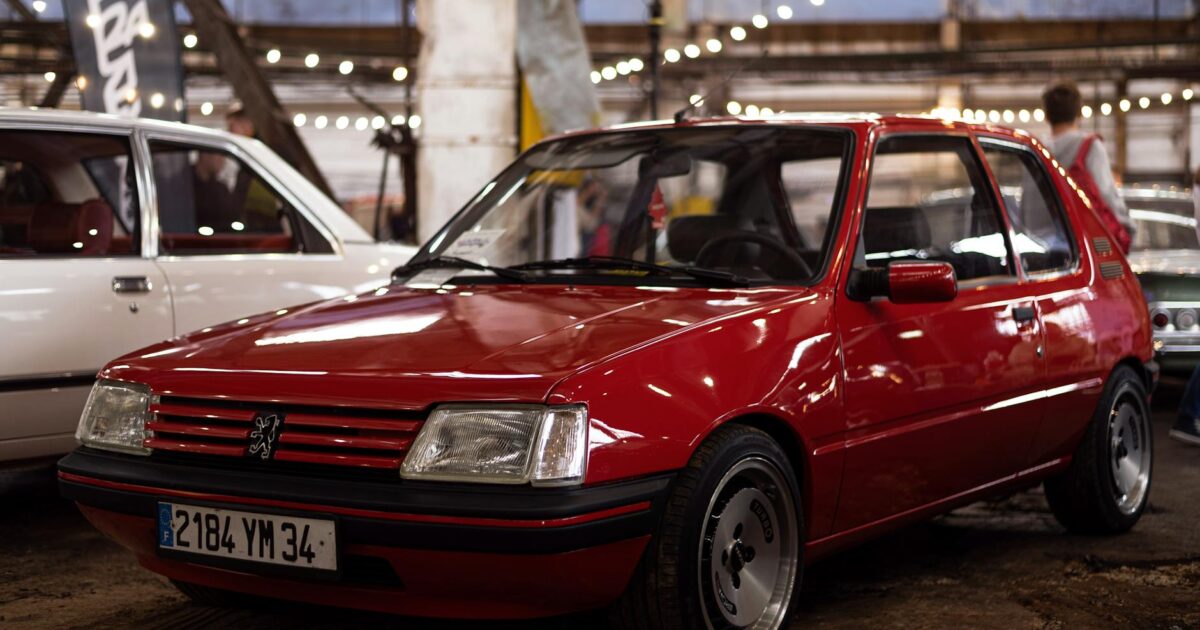
The automotive world is consistently evolving, yet there’s a distinct charm in looking back, and few things capture hearts quite like a classic car. It’s truly exciting to witness the emerging trend of established manufacturers actively embracing their rich heritage. One of the most compelling narratives currently unfolding is the Stellantis classic vehicle revival. This initiative isn’t just about nostalgia; it’s a strategic move that breathes new life into beloved models and reinforces the enduring legacies of numerous iconic brands under the Stellantis umbrella as of April 2026.
Latest Update (April 2026)
As of April 2026, Stellantis continues to solidify its commitment to its heritage brands. Recent industry discussions, such as those highlighted by Automotive News on April 19, 2026, question the broader comeback potential of cars, suggesting that manufacturers are increasingly focusing on their historical strengths to maintain relevance. This perspective aligns with Stellantis’s ongoing efforts to revive and support its classic vehicles. The company’s strategy appears to be a proactive response to market dynamics, aiming to capture a dedicated segment of enthusiasts and collectors who value authenticity and historical significance. This focus on the past is not merely sentimental; it’s a calculated approach to brand building and market differentiation in an increasingly competitive automotive landscape.
Furthermore, Stellantis’s leadership has emphasized a long-term vision that includes leveraging its extensive brand portfolio. While specific new programs for classic vehicles are often announced incrementally, the overarching corporate strategy, as reported by various automotive outlets throughout 2025 and early 2026, indicates a sustained investment in brand history. This includes the potential for new heritage divisions, expanded parts availability, and even certified restoration services for a wider array of iconic models. The company’s commitment to performance heritage, as evidenced by the renewed interest in performance divisions and the continued development of high-performance modern vehicles, indirectly supports the classic revival by maintaining an enthusiast-focused brand image.
The Stellantis Classic Vehicle Revival Explained
For enthusiasts and collectors, the prospect of an organized Stellantis classic vehicle revival brings immense hope. Many classic car owners face significant hurdles in maintaining their treasured vehicles, primarily the scarcity of original or high-quality reproduction parts. When a major conglomerate like Stellantis steps in, it signals a commitment to preserving automotive history on a grand scale, offering authentic solutions that were previously difficult to obtain. This commitment extends beyond mere spare parts, hinting at a broader vision for supporting the classic car community. As of April 2026, this support is becoming more tangible, with dedicated teams and expanded product lines addressing these needs.
A Pantheon of Brands, A Universe of Classics
Consider the sheer breadth of the Stellantis portfolio: American powerhouses like Dodge and Chrysler, rugged icons from Jeep, and a dazzling array of European legends including Alfa Romeo, Lancia, Fiat, Peugeot, Citroën, and Opel/Vauxhall. Each brand possesses a storied past, replete with vehicles that defined eras and captivated generations. The Stellantis classic vehicle revival has the potential to touch upon countless models, from a muscle-bound 1969 Dodge Charger to an elegant Alfa Romeo Spider or a rally-winning Lancia Delta Integrale. Accessing officially sanctioned components for these automotive treasures directly from the original manufacturer is becoming a reality. The availability of parts for models dating back to the mid-20th century is expanding, with Stellantis actively working to retool and reproduce components that were previously unavailable on the market.
Beyond Parts: Comprehensive Heritage Support
This movement isn’t solely about replacement parts. A complete Stellantis classic vehicle revival can also encompass official restoration programs, technical support, and certified authenticity services. This level of involvement provides peace of mind for owners, ensuring their investments are handled with expertise and integrity. For those considering buying a classic, the backing of the original manufacturer adds a layer of trust and value that independent restorers, while skilled, often can’t provide. The market for vintage cars continues to grow, fueled by both a desire for tangible assets and a longing for simpler times. Stellantis is strategically positioning itself to cater to this passionate demographic, offering services that range from basic part supply to full concours-level restorations. As of April 2026, official heritage centers are reporting increased inquiries and project bookings, indicating a strong demand for these services.
Strategic Vision and Market Relevance
Recent developments highlight Stellantis’s renewed focus on its brands and product lines. As reported by sources like USA Today on September 12, 2025, CEO Antonio Filosa has promised a Jeep revival and a midsize Ram truck in 2027, indicating a broader strategic push that can indirectly benefit classic car initiatives. MotorTrend noted on July 31, 2025, the return of SRT, suggesting a renewed emphasis on performance heritage that aligns with the spirit of classic vehicle preservation. Gear Patrol also pointed out on December 2, 2025, that one of America’s most important car manufacturers has a new master plan to become relevant again, a vision that certainly includes honoring its historical strengths. This holistic approach ensures that the legacy of performance and iconic design continues to inform the brand’s future, while simultaneously supporting its past.
The automotive industry is increasingly recognizing that heritage is a significant asset. As Automotive News explored in a recent article on April 19, 2026, titled “Can cars make a comeback?”, the question implies a need for manufacturers to connect with consumers on multiple levels, including nostalgia and brand history. Stellantis’s classic vehicle revival directly addresses this by reinforcing brand identity and fostering emotional connections. This strategy not only appeals to existing classic car owners but also influences perceptions among potential new buyers, who may be drawn to brands with a rich and well-supported history. The revival efforts demonstrate a commitment to quality and longevity, attributes that resonate across both classic and modern automotive markets.
Benefits for Stellantis and Its Brands
The benefits for Stellantis itself are considerable. Firstly, it strengthens brand loyalty. Owners of classic vehicles are often the most ardent brand ambassadors, and by supporting them, Stellantis nurtures a deep, intergenerational connection. Secondly, it opens up new revenue streams through the sale of parts, services, and potentially even officially licensed merchandise. For instance, the revival of the $100,000 Ram TRX V-8, mentioned by CBT News on January 2, 2026, while a modern production example, signals a commitment to high-performance variants that can inspire similar efforts for classic models. A successful Stellantis classic vehicle revival showcases the enduring quality and design prowess of its brands, subtly influencing perceptions of their modern lineups. It demonstrates that tradition and innovation can coexist. The company’s investment in heritage also contributes positively to its corporate image, portraying it as a responsible steward of automotive history.
Addressing the Challenges of Revival
Of course, undertaking such a massive initiative presents its own set of challenges. Stellantis must navigate the complexities of tooling for obsolete parts, sourcing materials that meet original specifications, and maintaining the highest standards of quality control. Additionally, balancing the desire for absolute originality with modern safety and environmental regulations can be a delicate act. Carscoops reported on August 28, 2025, about a retro Stellantis van revival bringing a forgotten classic back to life, illustrating the brand’s willingness to revisit and reintroduce iconic designs, which can be a complex but rewarding endeavor. For example, reproducing specific trim pieces or engine components requires meticulous attention to detail and often involves significant investment in specialized manufacturing processes. Stellantis’s approach involves collaborating with original equipment manufacturers (OEMs) and specialized suppliers to ensure component authenticity and quality, a process that is ongoing as of April 2026.
The Future of Classic Cars Under Stellantis
Ultimately, the Stellantis classic vehicle revival represents a significant and welcome development in the automotive world as of April 26, 2026. It’s a testament to the power of heritage, the passion of enthusiasts, and the vision of a company willing to invest in its storied past. As this exciting journey unfolds, we can anticipate a future where more classic cars are not only preserved but also enjoyed on the open road, backed by the very hands that first brought them to life. The enduring appeal of these magnificent machines will surely captivate generations to come, thanks in no small part to Stellantis’s dedicated efforts. The company’s proactive stance ensures that iconic vehicles from its diverse stable of brands will continue to be celebrated and maintained for years to come, securing their place in automotive history.
Frequently Asked Questions
What Stellantis brands are currently supported for classic parts and services?
As of April 2026, Stellantis supports a wide range of its brands for classic vehicle parts and restoration services. This includes American marques like Dodge, Chrysler, and Jeep, as well as European icons such as Alfa Romeo, Lancia, Fiat, Peugeot, Citroën, and Opel/Vauxhall. Official heritage portals and dedicated classic departments are continually expanding their offerings for these brands.
How does Stellantis ensure the authenticity of classic parts?
Stellantis prioritizes authenticity by working with original suppliers, re-establishing tooling for obsolete parts, and implementing rigorous quality control measures. They aim to reproduce parts to the exact original specifications, often using original drawings and materials where possible. Official certification and provenance services also help verify the authenticity of restored vehicles and components.
Are official restoration services available for all Stellantis classic models?
Official restoration services are growing in availability but may vary by brand and model. Stellantis is expanding its network of certified classic specialists and heritage centers. While not every single model might have a dedicated program immediately, the trend is towards broader coverage, especially for highly sought-after vehicles. Owners are advised to check with their brand’s official heritage division for current offerings.
What is the market outlook for classic cars supported by Stellantis as of April 2026?
The market outlook for classic cars, particularly those from brands with strong manufacturer support like Stellantis, remains positive as of April 2026. Increased parts availability, official restoration services, and renewed brand interest contribute to sustained or increasing values. Enthusiasts and collectors are drawn to vehicles that offer long-term support and a clear connection to their original manufacturers, enhancing their desirability and investment potential.
Can Stellantis help with finding rare or discontinued classic car parts?
Yes, Stellantis’s classic vehicle revival programs are specifically designed to address the scarcity of rare or discontinued parts. By investing in retooling, partnerships with specialized manufacturers, and extensive archival research, Stellantis aims to make previously unobtainable components available again. Their official heritage parts websites and customer service channels are the best starting points for locating such items.
Conclusion
The Stellantis classic vehicle revival is more than just a nod to the past; it represents a forward-thinking strategy to engage a passionate demographic, strengthen brand loyalty, and create new avenues for revenue. By investing in the preservation and support of its iconic models, Stellantis is not only honoring its rich automotive heritage but also ensuring that these cherished vehicles can continue to be enjoyed by enthusiasts for generations to come, solidifying their legacy on the open road.
Sabrina
2 writes for OrevateAi with a focus on agriculture, ai ethics, ai news, ai tools, apparel & fashion. Articles are reviewed before publication for accuracy.


