
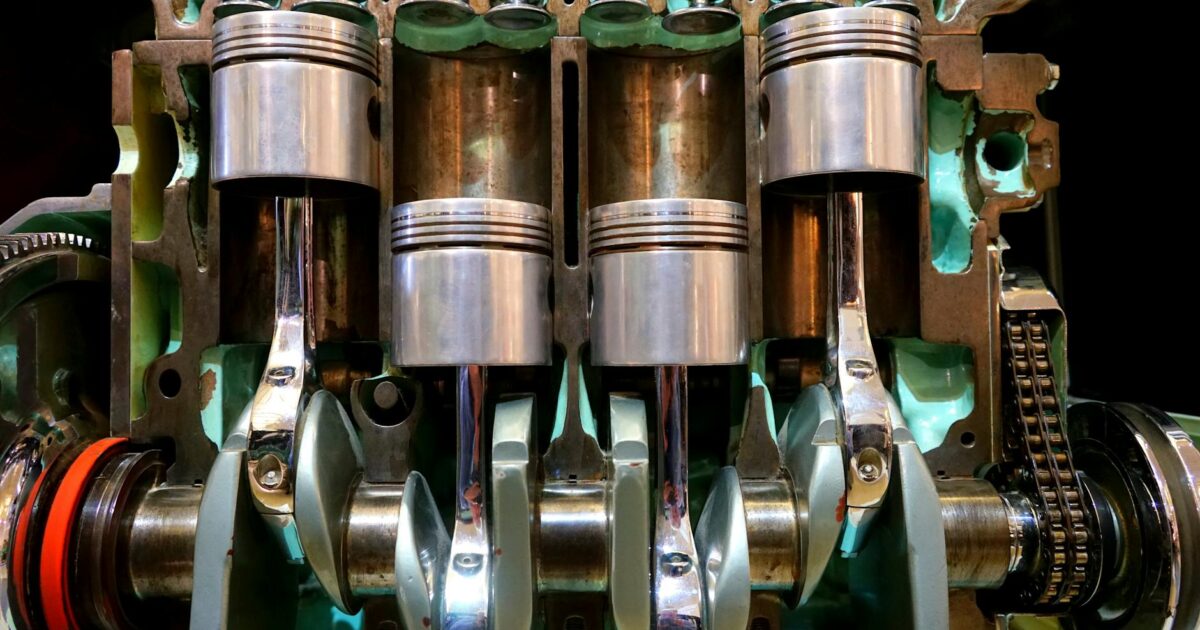
Experiencing a check engine light on your dashboard can be concerning, and if you’ve scanned your vehicle’s system, you might have encountered the diagnostic trouble code P0306. This specific code indicates an engine misfire, particularly in cylinder number six. Understanding what P0306 means, its symptoms, and how to address it is vital for maintaining your vehicle’s health and ensuring a safe driving experience in 2026. Ignoring this warning can lead to more significant and costly repairs, making prompt diagnosis and repair essential.
Latest Update (April 2026)
As of April 2026, advancements in diagnostic tools continue to refine the identification of cylinder-specific misfires like P0306. Modern scan tools offer more detailed real-time data, allowing technicians to pinpoint issues with fuel injectors and ignition coils with greater accuracy. Furthermore, the increasing prevalence of hybrid and electric vehicle technology means that internal combustion engine diagnostics, while still critical, are becoming more specialized. According to a report by Reuters in early 2026, the average age of vehicles on the road in North America has surpassed 12 years, highlighting the ongoing need for maintenance on gasoline-powered cars and the relevance of codes like P0306.
Understanding P0306: Cylinder 6 Misfire
When your engine throws a P0306 code, it’s signaling that the Engine Control Unit (ECU) has detected an irregular combustion event in the sixth cylinder. This means cylinder six isn’t firing correctly, leading to an imbalance in the engine’s operation. Drivers often notice several tell-tale signs. The most obvious is the illuminated check engine light, which might flash in severe cases, indicating a potentially damaging misfire to the catalytic converter. Beyond the dashboard warning, you might feel a noticeable loss of power, especially when accelerating. The engine could run rough, vibrate excessively, or idle unevenly. You might also observe a decrease in fuel efficiency, as the engine compensates for the misfire, and in some instances, smell raw fuel from the exhaust due to unburned gasoline. These symptoms are consistent across most vehicle makes and models manufactured up to 2026.
Common Causes of P0306
Several common culprits can trigger the P0306 code. Often, the issue stems from the ignition system, a foundational element of engine operation. A worn-out or fouled spark plug in cylinder six is a frequent cause, preventing a strong spark from igniting the air-fuel mixture. Spark plugs are designed to last tens of thousands of miles, but their lifespan can be reduced by poor fuel quality or harsh driving conditions. Similarly, a faulty ignition coil pack specifically for cylinder six could be failing to deliver the necessary voltage to the spark plug. Ignition coils are crucial transformers; if one falters, the spark plug it serves will not ignite the fuel-air mixture effectively.
Another significant area to investigate is the fuel delivery system. A clogged or malfunctioning fuel injector for cylinder six might not be spraying enough fuel, or any at all, into the cylinder, leading to a lean misfire. A lean condition means there isn’t enough fuel relative to the air, resulting in incomplete combustion and potential engine damage. Conversely, a leaking injector could cause an excessively rich condition, where too much fuel enters the cylinder. A rich mixture leads to poor fuel economy, increased emissions, and can also foul spark plugs and damage the catalytic converter.
Beyond the ignition and fuel systems, compression issues are a serious consideration for any engine misfire. Problems like worn piston rings, damaged valves, or a blown head gasket can all lead to a loss of compression in cylinder six, making proper combustion impossible. Compression is the pressure built up inside the cylinder during the compression stroke; without adequate compression, the air-fuel mixture cannot be ignited effectively. Less common, but still possibilities, include vacuum leaks that affect the air-fuel ratio, or even issues with the Mass Airflow (MAF) sensor or Oxygen (O2) sensors that provide incorrect readings to the ECU. Even internal engine problems, while rarer, could be behind a persistent P0306. As vehicles become more technologically advanced with sophisticated engine management systems up to 2026, the complexity of diagnosing such issues increases, often requiring specialized tools and expertise.
Symptoms Associated with P0306
The symptoms of a P0306 code can range from subtle to severe, depending on the underlying cause and the duration of the misfire. The most universally recognized symptom is the illuminated check engine light. If the light is solid, it typically indicates a less urgent issue, but if it begins to flash, it signals a severe misfire that could rapidly damage the catalytic converter. Drivers may also experience a noticeable reduction in engine power and acceleration. The vehicle might feel sluggish, particularly when climbing hills or merging into traffic. Rough idling is another common indicator; the engine may shake or vibrate noticeably while stationary. In more severe cases, the engine might stall unexpectedly. Fuel economy degradation is almost always present, as the engine struggles to maintain smooth operation. Finally, a distinct smell of unburned gasoline from the exhaust can be a sign that fuel is not being properly combusted in cylinder six.
Diagnosing the P0306 Code
Diagnosing P0306 systematically begins with verifying the code using an OBD-II scanner. Once confirmed, a mechanic will often start by checking the spark plug and ignition coil for cylinder six. A common diagnostic trick involves swapping the ignition coil and spark plug from cylinder six with a known good cylinder (e.g., cylinder one) to see if the misfire code follows the component. If the code shifts to cylinder one (e.g., P0301), the swapped component (coil or plug) is the likely culprit.
If the code remains P0306 after swapping ignition components, further investigation is warranted. Fuel injector tests are the next logical step. This can involve checking the injector’s electrical resistance, listening for proper operation, and inspecting its spray pattern. A clogged or failing injector will not deliver the correct amount of fuel. A compression test is vital to rule out internal engine damage. This test measures the pressure within each cylinder; low compression in cylinder six points to mechanical issues like worn rings, damaged valves, or gasket failure. Vacuum leaks can be found through various methods, including using a smoke machine or spraying carburetor cleaner around intake manifold gaskets and vacuum hoses while the engine is running – a change in engine RPM indicates a leak. Reviewing live data from the ECU via the OBD-II scanner can provide critical insights into sensor readings (MAF, O2 sensors, etc.) and fuel trim adjustments, helping to identify if the ECU is compensating for an issue.
Fixing a P0306 Misfire
The repair for a P0306 code directly depends on the diagnosed cause. If a spark plug is fouled or worn, replacing it is the solution. If an ignition coil is faulty, it needs to be replaced. For clogged fuel injectors, cleaning might be an option, but often replacement is necessary for a reliable fix. If a fuel injector is leaking, it must be replaced. Addressing mechanical issues like low compression requires more extensive repairs, potentially involving engine rebuilds or head gasket replacement. Vacuum leaks typically involve replacing faulty gaskets, hoses, or seals. Faulty sensors (MAF, O2) need to be replaced with new, quality parts. It is crucial to use parts that meet or exceed OEM specifications to ensure proper function and longevity. For example, using a low-quality spark plug or ignition coil can lead to premature failure and recurrence of the misfire.
Preventative Maintenance for Cylinder Health
Preventative maintenance plays a significant role in avoiding codes like P0306 and ensuring optimal engine performance throughout a vehicle’s life. Regular tune-ups, including replacing spark plugs according to your manufacturer’s recommended schedule (typically between 30,000 and 100,000 miles, depending on the plug type and vehicle), are essential. Using high-quality fuel from reputable stations can prevent premature fouling of spark plugs and injectors. Performing routine engine maintenance, such as replacing air filters to ensure proper airflow, changing oil and filters regularly to maintain lubrication, and occasionally using a quality fuel system cleaner, can help ensure all cylinders are firing optimally. As vehicles continue to evolve with advanced engine technologies, adhering to the manufacturer’s maintenance schedule, available in owner’s manuals or online portals as of 2026, is more important than ever.
According to the U.S. Department of Transportation’s Federal Highway Administration, the average age of light-duty vehicles in operation continues to rise, underscoring the importance of diligent maintenance. As reported by the agency in late 2025, the average vehicle age has reached approximately 12.5 years. This trend means more cars on the road are outside their initial warranty periods and require proactive care to avoid costly repairs. For instance, neglecting spark plug replacement on schedule can lead to increased fuel consumption and potential catalytic converter damage, a repair that can cost upwards of $2,000 in 2026.
Potential for Catalytic Converter Damage
Promptly addressing a P0306 code is vital for preventing further damage, particularly to the catalytic converter. A continuous misfire allows unburned fuel to enter the exhaust system. This raw fuel can ignite inside the hot catalytic converter, leading to extreme temperatures that can melt the internal honeycomb structure. This obstruction restricts exhaust flow, drastically reducing engine performance and potentially causing catastrophic engine failure. Replacing a catalytic converter can be a significant expense, often ranging from $1,000 to $3,000 or more in 2026, depending on the vehicle and whether OEM or aftermarket parts are used. Therefore, ignoring a misfire code like P0306 is a gamble that often results in a much higher repair bill down the line.
Impact on Vehicle Performance and Emissions
A P0306 misfire directly impacts a vehicle’s performance and emissions. The loss of power and rough running are direct consequences of incomplete combustion in one cylinder. This imbalance forces the engine control module (ECM) to compensate, often by adjusting fuel delivery to other cylinders or by altering ignition timing, which can lead to further drivability issues. Furthermore, the excess unburned fuel passing through the exhaust system not only risks damaging the catalytic converter but also significantly increases harmful emissions. Vehicles failing emissions tests in 2026 are often due to issues like persistent misfires, which cause elevated levels of hydrocarbons (HC), carbon monoxide (CO), and oxides of nitrogen (NOx).
Frequently Asked Questions about P0306
Q1: Can I drive my car with a P0306 code?
While you might be able to drive your car, it’s strongly advised against it, especially if the check engine light is flashing. Driving with a misfire can cause severe damage to your catalytic converter and other engine components, leading to much more expensive repairs. It’s best to address the issue as soon as possible in 2026.
Q2: How much does it typically cost to fix a P0306 code?
The cost to fix a P0306 code varies widely depending on the cause. Replacing a spark plug might cost between $100 and $300. Replacing an ignition coil could range from $200 to $500 per coil. Fuel injector replacement can be more expensive, from $300 to $800 or more for the injector and labor. If a head gasket or internal engine repair is needed, costs can easily climb into the thousands of dollars. These estimates are based on typical shop rates as of April 2026.
Q3: Is a P0306 code specific to certain car brands?
No, the P0306 code is a generic OBD-II code and can appear on virtually any vehicle equipped with an internal combustion engine, regardless of make or model. While specific components may differ between manufacturers, the fundamental causes of misfires (ignition, fuel, compression) are universal across all gasoline-powered vehicles up to 2026.
Q4: What’s the difference between a flashing and a solid check engine light with a P0306 code?
A solid check engine light typically indicates a fault that needs attention but may not be immediately critical. A flashing check engine light, however, signals a severe problem, usually a misfire that is actively dumping unburned fuel into the exhaust system and poses an imminent threat to the catalytic converter. If the light is flashing, you should reduce engine load immediately and seek professional diagnosis as soon as possible.
Q5: Can a bad MAF sensor cause a P0306 code?
Yes, a faulty Mass Airflow (MAF) sensor can contribute to a P0306 code, although it might not be the direct cause. The MAF sensor measures the amount of air entering the engine, and if it provides incorrect readings to the ECU, the ECU will calculate the wrong amount of fuel to inject. This imbalance can lead to a lean or rich condition in one or more cylinders, potentially causing a misfire. Diagnosing a MAF sensor issue often involves checking its live data readings and comparing them to expected values.
Conclusion
Encountering the P0306 code is a clear signal that your engine needs attention. It points directly to a problem in cylinder six that impacts performance, fuel economy, and potentially other critical components. By understanding its symptoms, common causes, systematic diagnostic steps, and the importance of timely repairs, you are better equipped to address this issue effectively. Regular maintenance, prompt attention to warning lights, and utilizing professional diagnostic services when needed will help restore your vehicle to its optimal running condition, ensuring many more miles of reliable and smooth driving in 2026 and beyond. Don’t let a P0306 misfire linger; take action to protect your investment and ensure your vehicle’s longevity.
Sabrina
2 writes for OrevateAi with a focus on agriculture, ai ethics, ai news, ai tools, apparel & fashion. Articles are reviewed before publication for accuracy.


