Annatto Color: The Natural Secret Behind Vibrant Foods in 2026
The vibrant world of natural food ingredients continuously offers us wonders, and among the most captivating is undoubtedly annatto color. This remarkable pigment, cherished for its ability to impart beautiful yellow to deep orange hues, hails from the seeds of the achiote tree, Bixa orellana. For centuries, indigenous cultures across Central and South America have harnessed its potential, not just for culinary purposes but also in traditional rituals and body paints. Today, annatto color stands as a cornerstone in the clean label movement, providing a plant-based alternative to synthetic dyes that resonates strongly with health-conscious consumers and responsible manufacturers alike.
Last updated: April 26, 2026
Latest Update (April 2026)
As of April 2026, the demand for natural food colorants like annatto continues its upward trajectory, driven by evolving consumer preferences and stringent regulatory scrutiny of artificial additives. Industry reports indicate a sustained growth in the global natural food colors market, with annatto consistently cited as a key player due to its versatility and favorable consumer perception. Major food manufacturers are accelerating their transition away from synthetic dyes, actively reformulating products to incorporate plant-derived alternatives, a trend amplified by discussions in industry publications such as Food Dive. This shift is not merely cosmetic; it reflects a deeper commitment to transparency and healthier ingredient profiles, positioning annatto as a vital component in the modern food landscape.
Furthermore, ongoing research into sustainable sourcing and advanced extraction techniques for annatto is yielding promising results. Innovations in processing are enhancing pigment stability and color intensity, allowing for broader application in challenging food matrices. According to recent analyses by market research firms specializing in the food ingredients sector, the annatto market is projected to see significant expansion in the coming years, bolstered by its efficacy in product categories ranging from dairy and snacks to baked goods and beverages. The focus on ‘clean label’ ingredients remains paramount in 2026, reinforcing annatto’s position as a preferred choice for brands aiming to meet these consumer demands.
The Journey from Seed to Vibrant Hue
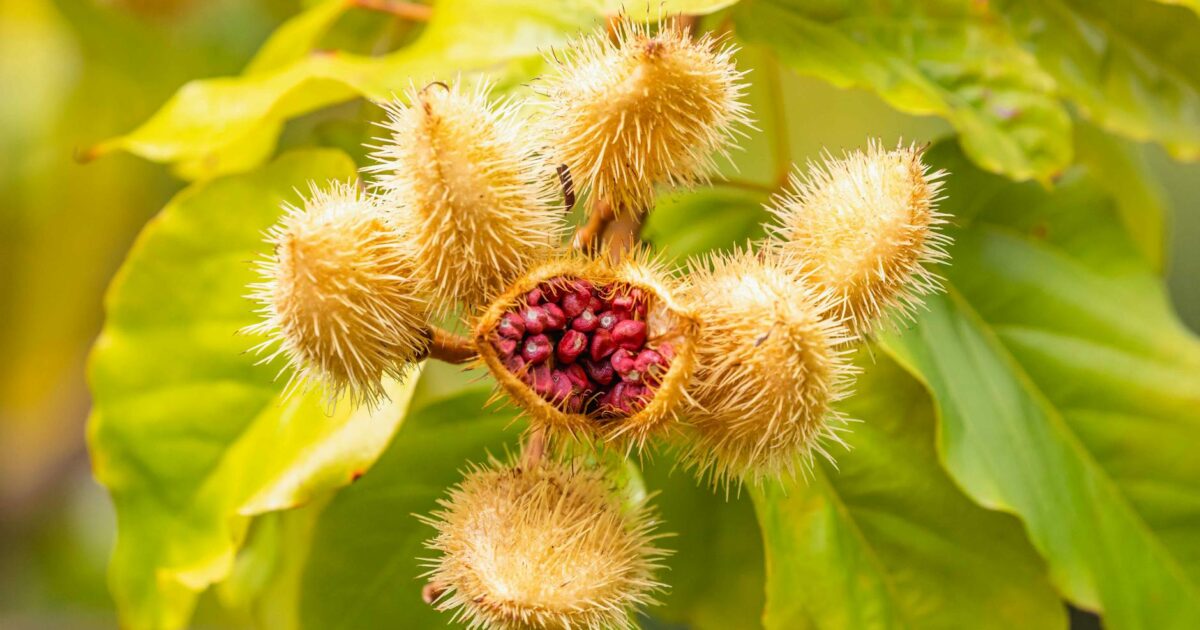
The journey of annatto color begins within the distinctive heart-shaped pods of the achiote tree, which burst open to reveal small, red-coated seeds. These seeds are the treasure trove from which the vibrant annatto color is extracted. Historically, communities would grind these seeds into a paste or powder, directly incorporating them into dishes to add both flavor and a visually appealing tint. Modern extraction methods, however, have refined this process. Typically, manufacturers employ food-grade solvents, such as oils or water, to efficiently draw out the carotenoid pigments responsible for annatto’s distinctive shades. This careful processing ensures a consistent and high-quality annatto color suitable for industrial use, meeting stringent food safety standards as of April 2026.
Understanding Annatto’s Pigment Power: Bixin and Norbixin
Delving deeper into its composition, annatto color primarily owes its brilliance to two key carotenoids: bixin and norbixin. Bixin is an oil-soluble pigment, often responsible for the reddish-orange tones, and is commonly found in oil-based annatto extracts. Conversely, norbixin is water-soluble, usually derived from bixin through hydrolysis, and it lends itself beautifully to yellow shades in water-based applications. This dual nature allows for incredible versatility, enabling formulators to achieve a broad spectrum of annatto color options depending on the desired shade and the specific food matrix. Consequently, its adaptability makes it a favored choice across a diverse range of products.
The concentration and ratio of bixin to norbixin can be precisely controlled during the extraction and processing stages. This meticulous approach allows manufacturers to tailor annatto extracts to meet specific color targets, whether a soft pastel yellow for a creamy dressing or a rich, deep orange for a savory snack. Understanding these nuances is key for formulators aiming to achieve optimal visual appeal and product consistency. The stability of these carotenoids is also a significant factor; while generally stable, they can be sensitive to light, heat, and oxygen. Therefore, formulators must consider these factors during product development and packaging to preserve the color’s vibrancy over the product’s shelf life.
Annatto’s Widespread Culinary Applications
Indeed, the applications for annatto color are incredibly widespread within the food industry. One of its most iconic uses is in dairy products, famously giving cheddar cheese its characteristic orange glow and butter its inviting yellow hue. Consumers often associate these shades with richness and quality, making annatto color an indispensable ingredient in these staple foods. Beyond dairy, you’ll find this versatile pigment enhancing the visual appeal of snacks like crackers and extruded products, adding warmth to baked goods, and even providing a natural tint to beverages and dressings. The demand for natural alternatives to artificial colors continues to surge, and annatto color consistently rises to meet that challenge.
In baked goods, annatto can enhance the golden crust of breads and pastries. In processed meats and seafood, it provides a natural-looking color that consumers expect. Even in confectionery, annatto can be used to achieve vibrant, natural shades without compromising the clean label promise. For instance, many gummy candies and fruit-flavored snacks now feature annatto to achieve appealing colors that align with consumer expectations for natural ingredients. As of April 2026, the trend of using annatto in plant-based alternatives is also growing; it’s used to mimic the color of traditional dairy products in vegan cheeses, yogurts, and ice creams, offering a familiar visual cue to consumers transitioning to plant-based diets.
Beyond Food: Annatto’s Versatility
Its appeal extends beyond just the food sector. Annatto color also plays a role in the cosmetic industry, where it contributes natural shading to lipsticks, blushes, and lotions, aligning with the growing preference for plant-derived ingredients in personal care products. In some regions, it even finds its way into textile dyes, showcasing its multi-faceted utility. This broad acceptance underscores its safety profile and its inherent value as a natural pigment that truly performs across various categories. Its consistent performance and natural origin give it a significant edge over synthetic counterparts.
In the personal care market, brands are increasingly highlighting the ‘natural’ aspect of their formulations. Annatto’s vibrant hues are particularly sought after for makeup products, offering alternatives to synthetic colorants that may raise consumer concerns. The ability to achieve rich, earthy tones or bright, sunny shades from a single plant source makes it a valuable ingredient for cosmetic chemists. As consumer awareness regarding ingredient origins grows, annatto’s long history of safe use and its plant-based nature make it a compelling choice for formulators in this sector.
The Clean Label Advantage of Annatto
Manufacturers and consumers alike appreciate annatto color for its inherent naturalness and the clean label status it confers. Derived directly from a plant, it offers transparency that synthetic dyes can’t match, contributing to products that feel more wholesome and trustworthy. As regulatory bodies around the world increasingly scrutinize artificial additives, the reliance on natural colorings like annatto color is only expected to grow. It effectively supports the ongoing global shift towards more natural and sustainable ingredient sourcing, without compromising on visual impact or consumer satisfaction.
The ‘clean label’ trend is more than just a buzzword in 2026; it’s a fundamental shift in consumer expectations. Products featuring annatto can prominently display ‘annatto extract’ or ‘achiote’ on their ingredient lists, which resonates positively with shoppers actively seeking recognizable, natural components. This transparency builds brand loyalty and trust, crucial elements in today’s competitive market. According to independent consumer surveys conducted in early 2026, over 70% of shoppers actively look for ‘natural’ labels when purchasing food products, and ingredients like annatto directly fulfill this preference.
Industry Trends and Annatto’s Role
The drive towards natural ingredients continues to shape the food industry. For instance, a recent push for ‘natural source’ ingredients has influenced major brands, such as Welch’s, to re-evaluate their product formulations. This trend directly benefits ingredients like annatto, which offer a well-established, plant-based coloring solution. As consumers become more discerning, demanding transparency and fewer artificial additives, manufacturers are actively seeking alternatives to synthetic dyes like Yellow 5. Annatto, with its rich history and vibrant capabilities, is perfectly positioned to meet this demand, as highlighted by ongoing discussions in publications like Food Dive about manufacturers making the switch to natural colors.
In product categories like microwave popcorn, the preference for natural ingredients is also evident. Taste tests of various brands, such as those conducted by The Takeout and Bon Appétit, often evaluate not just flavor but also ingredient sourcing. While the natural color of cheddar cheese itself is not yellow (as Mashed points out, it’s often enhanced), annatto provides that familiar and appealing hue without resorting to artificial colorants. This demonstrates how annatto color is instrumental in meeting consumer expectations for both visual appeal and natural composition across a wide array of food products.
The influence of organizations like the Environmental Working Group (EWG) also plays a role. The EWG provides consumers with information on food additives, often flagging synthetic colors as areas of concern. This consumer education empowers shoppers to make informed choices, further driving demand for naturally derived colorants like annatto. As of April 2026, annatto remains a top-tier choice for formulators aiming to achieve vibrant colors while adhering to clean label principles and addressing consumer concerns about artificial ingredients, a sentiment echoed in industry analyses by sources like Food Business News.
Frequently Asked Questions
Is annatto color safe for consumption?
Yes, annatto color is widely recognized as safe for consumption by major regulatory bodies worldwide, including the U.S. Food and Drug Administration (FDA) and the European Food Safety Authority (EFSA). It is derived from a natural plant source and has a long history of traditional use. As of April 2026, it is generally permitted for use in a wide range of food products without specific quantitative restrictions, often falling under ‘Generally Recognized As Safe’ (GRAS) status in the United States.
What is the difference between bixin and norbixin?
Bixin is the oil-soluble carotenoid found in annatto seeds, typically responsible for reddish-orange colors. Norbixin is the water-soluble form, usually derived from bixin through hydrolysis, and it imparts yellow to pale orange shades. This difference in solubility dictates their application; bixin is preferred in oil-based products like margarines and dressings, while norbixin is ideal for water-based applications such as beverages and jellies.
Can annatto color be used in vegan products?
Absolutely. Annatto color is a plant-derived pigment, making it an excellent choice for vegan and vegetarian products. It is frequently used to provide the familiar yellow and orange hues in vegan cheeses, dairy alternatives, and other plant-based foods, helping them achieve a visual appeal that closely mimics their conventional counterparts.
How does annatto color compare to synthetic food dyes?
Annatto color offers a natural, plant-based alternative to synthetic dyes like Yellow 5 and Red 40. Unlike synthetic dyes, annatto is derived from a renewable resource and is generally perceived more favorably by consumers seeking clean label products. While synthetic dyes can offer a wider spectrum of very intense colors, annatto provides a range of natural yellow to orange hues with good stability in many applications. Reports indicate that consumer preference strongly favors natural colorants, making annatto a strategic choice for brands.
What factors affect the stability of annatto color?
The stability of annatto color can be influenced by several factors, including light exposure, heat, pH, and the presence of oxidizing agents. For optimal stability, manufacturers often incorporate annatto into products that are not exposed to prolonged high heat or intense light. Packaging choices, such as opaque materials, can also help protect the color. Research continues to explore methods for enhancing annatto’s stability in various food systems as of April 2026.
Conclusion
Annatto color is far more than just a simple food dye; it’s a rich mix of history, science, and cultural significance. Its ability to impart vibrant, natural colors, coupled with its plant-based origin and clean label appeal, solidifies its importance in the food industry and beyond. As consumer demand for natural and transparently sourced ingredients continues to grow, annatto color remains a steadfast and versatile solution, embodying the enduring allure of nature’s palette in 2026.
Sabrina
2 writes for OrevateAi with a focus on agriculture, ai ethics, ai news, ai tools, apparel & fashion. Articles are reviewed before publication for accuracy.