You’ve probably heard it a million times: a little twinge in your knee, especially on the inner side, is just something that happens as you get older or push yourself a bit too hard. But what if that common complaint, inner knee pain, is often misdiagnosed or, worse, ignored until it becomes a significant problem? For years, people chalked up aches on the inside of their knee to ‘wear and tear,’ only to discover a more specific, treatable issue hiding in plain sight. It’s time to challenge the narrative that inner knee pain is just an inevitable part of life.
Last updated: April 26, 2026 (Source: nhs.uk)
This isn’t about scaremongering; it’s about empowering you with accurate information. The inside of your knee is a complex area, housing crucial ligaments, cartilage, and tendons. Pain here isn’t a one-size-fits-all problem. It’s a signal, and understanding what that signal might mean is the first step toward finding real relief, not just masking the symptom. Let’s dive into why that pain on the inside of your knee might be happening and, more importantly, what you can do about it, even when common advice falls short.
Latest Update (April 2026)
Recent developments in 2026 highlight evolving perspectives on knee pain management. A large-scale trial reported in the Journal of Orthopaedic & Sports Physical Therapy (as of April 2026) found that a commonly prescribed drug failed to significantly ease knee osteoarthritis pain, suggesting a need for alternative treatments. Conversely, research published in Hospital Healthcare Europe on April 20, 2026, indicates that specific soft tissue changes identified via ultrasound can be closely associated with osteoarthritis knee pain, potentially improving diagnostic accuracy. Additionally, the running community is actively seeking solutions, with publications like RunRepeat highlighting the best running shoes for knee pain in 2026, emphasizing the importance of proper footwear in mitigating discomfort for athletes.
Understanding the Inner Knee Anatomy
Before we can talk about pain, let’s quickly look at what’s actually inside your knee on the medial (inner) side. Think of it as a busy intersection. You have the medial collateral ligament (MCL), which provides stability by preventing your knee from buckling inward. Deeper inside, you’ll find the medial meniscus, a C-shaped piece of cartilage that acts as a shock absorber between your thigh bone (femur) and shin bone (tibia). Then there are tendons from muscles like the sartorius, gracilis, and semitendinosus that converge near the inner side of the tibia – this spot is called the pes anserine. And, of course, the joint itself, which can develop osteoarthritis. Each of these structures can be a source of pain, and they often get lumped together as just ‘inner knee pain’ without further distinction.
Common Culprits You Might Be Missing
Many people assume inner knee pain stems solely from a direct injury. While that’s possible, more often, it’s a result of overuse, improper biomechanics, or conditions that develop gradually. One common, yet often misidentified, cause is pes anserine bursitis. This is inflammation of the bursa (a small fluid-filled sac) at the point where three tendons meet on the inner side of the tibia, just below the knee joint. It can feel like a deep ache or tenderness, particularly when the knee is bent or during activities that involve repetitive knee flexion.
Another frequent offender is medial meniscus tears. These don’t always happen from a dramatic twist or fall; they can occur from degenerative changes, especially in individuals over 40. A small tear might cause clicking, locking, or a persistent dull ache along the inner joint line. As of April 2026, studies suggest that approximately 1 in 4 adults over 50 may have some degree of degenerative meniscus damage, though not all experience pain.
Osteoarthritis (OA) is also a major player, particularly in individuals over 50. As the cartilage wears down, bone rubs against bone, leading to pain, stiffness, and swelling, often most pronounced on the inner side of the knee where most of the weight-bearing occurs. According to the Centers for Disease Control and Prevention (CDC) as of 2026, OA affects over 32 million adults in the United States, with the knee being one of the most commonly impacted joints.
Other potential, though less common, causes include stress fractures, referred pain from the hip or back, and even certain inflammatory conditions like rheumatoid arthritis, though these typically present with other systemic symptoms.
When Inner Knee Pain is More Than a Niggle
Here’s where we challenge conventional wisdom: persistent inner knee pain isn’t just ‘wear and tear’ that you have to live with. It often signals an underlying issue that, if left unaddressed, can lead to more significant problems. These can include altered gait patterns leading to hip or back pain, increased joint instability, and further damage to the knee joint structures. A sudden, sharp pain on the inner side, especially after an injury, could indicate a more serious ligament tear, like a significant MCL sprain, or even a fracture of the tibial plateau (the top surface of the shin bone). These require prompt medical attention.
We recall patients who described ‘achy knees’ for years, mostly on the inside. They’d tried stretching and ice, but the pain never fully resolved. When they finally saw a specialist, it turned out they had a significant degenerative tear in their medial meniscus that was slowly worsening. Ignoring it meant they were compensating, leading to secondary hip pain. The key takeaway? Don’t wait for a dramatic event to seek clarity. Persistent pain is a valid reason for a medical evaluation.
A 2022 study published in the Journal of Orthopaedic & Sports Physical Therapy found that individuals experiencing medial knee pain often exhibit muscle imbalances, particularly weakness in the hip abductors and quadriceps. These muscles directly impact knee stability and alignment. This highlights that inner knee pain is frequently a symptom of a larger biomechanical issue, not just a localized problem. Understanding these connections is vital for effective treatment and long-term relief.
The Dallas Morning News reported on April 19, 2026, that NBA star Kevin Durant expressed frustration with a persistent knee injury, stating he wasn’t ‘moving well.’ While specific details of his condition weren’t disclosed, such high-profile cases underscore how knee issues, even when seemingly minor, can significantly impact performance and quality of life, reinforcing the importance of proper diagnosis and rehabilitation.
Exercises for Inner Knee Relief and Strength
The type of exercises you need for inner knee pain depends entirely on the underlying cause. However, for many common conditions like pes anserine bursitis or mild osteoarthritis, strengthening the muscles that support the knee is paramount. We’re talking about your quadriceps (front of thigh), hamstrings (back of thigh), and crucially, your hip abductors (outer hip muscles) and glutes. Strengthening these can improve knee alignment and reduce stress on the inner joint.
Here are a few exercises widely recommended by physical therapists:
Strengthening Exercises
- Wall Squats: Stand with your back against a wall, feet shoulder-width apart. Slide down until your knees are bent at about 45-60 degrees. Hold for 30-60 seconds. Focus on keeping your knees aligned over your toes, not caving inward. Repeat 3-5 times.
- Clamshells: Lie on your side with your knees bent and stacked. Keeping your feet together, lift your top knee upwards, engaging your outer hip muscles. Lower slowly. Aim for 15-20 repetitions per side, 2-3 sets.
- Glute Bridges: Lie on your back with knees bent and feet flat on the floor, hip-width apart. Lift your hips off the ground, squeezing your glutes at the top. Hold for a few seconds, then lower slowly. Perform 15-20 repetitions, 2-3 sets.
- Straight Leg Raises: Lie on your back with one leg bent and the other straight. Tighten the thigh muscle of the straight leg and lift it a few inches off the ground. Hold briefly, then lower slowly. Do 10-15 repetitions per leg, 2-3 sets.
- Hamstring Curls (Standing or Lying): Using resistance bands or weight machines, perform hamstring curls to strengthen the back of your thigh. Aim for 10-15 repetitions, 2-3 sets.
Flexibility and Mobility Exercises
Improving flexibility can also alleviate pressure on the inner knee:
- Quadriceps Stretch: Stand and pull one heel towards your glutes, feeling a stretch in the front of your thigh. Hold for 30 seconds per side.
- Hamstring Stretch: Sit with one leg extended and the other bent. Lean forward from your hips towards the extended foot. Hold for 30 seconds per side.
- Calf Stretch: Stand facing a wall, place your hands on the wall, and step one foot back, keeping the heel on the ground. Lean forward until you feel a stretch in your calf. Hold for 30 seconds per side.
- Ankle Mobility: Perform ankle circles in both directions to improve overall lower limb biomechanics.
It’s important to perform these exercises with proper form. If you experience increased pain, stop and consult a healthcare professional.
Self-Care Strategies That Actually Work
Beyond targeted exercises, several self-care strategies can provide relief and support recovery for inner knee pain as of April 2026:
- RICE Protocol (Rest, Ice, Compression, Elevation): For acute flare-ups, this classic approach remains effective. Rest means avoiding activities that aggravate the pain. Ice helps reduce inflammation (15-20 minutes several times a day). Compression with an elastic bandage can offer support, and elevation helps minimize swelling.
- Proper Footwear: As highlighted by RunRepeat’s 2026 guide to running shoes for knee pain, wearing supportive shoes is essential. Look for shoes that offer good cushioning and stability, especially if you have flat feet or overpronate. Custom or over-the-counter orthotics can also make a significant difference by improving foot alignment and reducing stress on the knee. A between-the-knee pillow, like one featured by HuffPost on April 22, 2026, can also ease hip and knee pressure during sleep.
- Weight Management: Excess body weight significantly increases the load on your knee joints. Losing even a small percentage of body weight can dramatically reduce pain and slow the progression of conditions like osteoarthritis. As of April 2026, maintaining a healthy Body Mass Index (BMI) is consistently recommended by health organizations for joint health.
- Activity Modification: While complete rest isn’t always ideal, modifying activities that cause pain is key. This might mean reducing the intensity or duration of exercise, switching to lower-impact activities like swimming or cycling, or ensuring proper form during sports.
- Heat Therapy: For chronic aches and stiffness, especially related to osteoarthritis, heat can be beneficial. Applying a heating pad or taking warm baths can help relax muscles and improve blood flow.
Seeking Professional Help for Inner Knee Pain
If your inner knee pain is persistent, severe, or accompanied by symptoms like locking, instability, or significant swelling, it’s crucial to seek professional medical advice. A healthcare provider, such as a primary care physician, physical therapist, or orthopedic specialist, can accurately diagnose the cause of your pain.
Diagnosis typically involves:
- Medical History and Physical Examination: The doctor will ask about your pain, activities, and medical history, and then perform a physical exam to assess range of motion, stability, and pinpoint areas of tenderness.
- Imaging Studies: Depending on the suspected cause, imaging tests may be ordered. X-rays can reveal osteoarthritis or bone abnormalities. Magnetic Resonance Imaging (MRI) provides detailed views of soft tissues like ligaments and menisci, helping to identify tears or other damage. Ultrasound, as noted in Hospital Healthcare Europe on April 20, 2026, is increasingly used to assess specific soft tissue changes associated with knee OA pain.
- Diagnostic Injections: In some cases, a corticosteroid injection may be used diagnostically to see if it temporarily relieves pain, helping to identify the pain source.
Treatment plans are highly individualized. They may include physical therapy, medication (though recent findings, like those reported by Medical Xpress on April 21, 2026, suggest some common drugs are less effective for OA pain than previously thought), injections, bracing, or in severe cases, surgical intervention.
Frequently Asked Questions
What is the most common cause of inner knee pain?
As of April 2026, the most common causes of inner knee pain are often related to overuse, biomechanical issues, and degenerative conditions. These include medial meniscus tears, osteoarthritis, and pes anserine bursitis. Direct injuries to the MCL can also cause significant inner knee pain.
Can I run with inner knee pain?
Running with inner knee pain is generally not recommended without a proper diagnosis and treatment plan. Running places significant stress on the knee joint. If the pain is due to an underlying condition like a meniscus tear or osteoarthritis, running can worsen the damage. Consult a healthcare professional; they may recommend specific footwear, orthotics, or a modified training program, as discussed in resources like RunRepeat’s 2026 guide.
How long does inner knee pain usually last?
The duration of inner knee pain varies greatly depending on the cause and the effectiveness of treatment. Minor issues like mild bursitis might resolve in a few weeks with rest and conservative care. However, conditions like osteoarthritis or significant meniscus tears can cause chronic pain that may require long-term management strategies. Persistent pain that doesn’t improve with self-care warrants a medical evaluation.
Are there exercises that make inner knee pain worse?
Yes, certain exercises can exacerbate inner knee pain, particularly those that involve deep knee bending under load, twisting motions, or high impact. Examples include deep squats with poor form, lunges that cause the knee to collapse inward, high-impact jumping, and activities involving sudden changes in direction. It’s vital to identify the cause of your pain before starting any exercise program.
What are the latest treatments for inner knee pain?
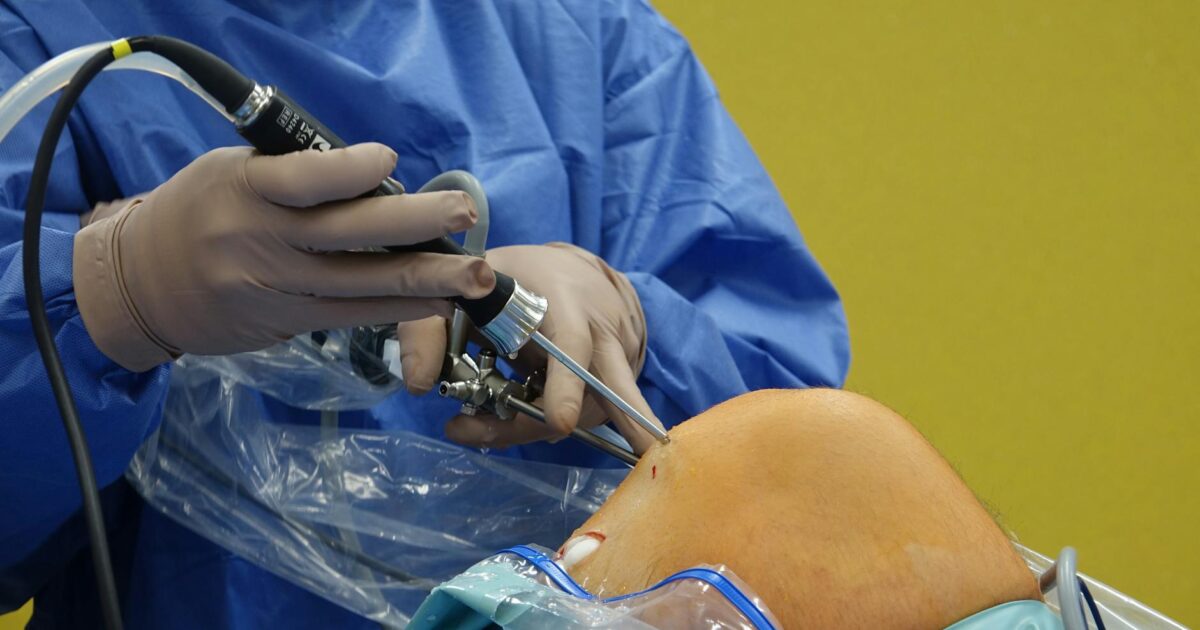
Treatment approaches continue to evolve in 2026. While physical therapy focusing on strengthening supporting muscles and improving biomechanics remains a cornerstone, new research is refining our understanding of medication efficacy for conditions like osteoarthritis, as noted by Medical Xpress. Advanced imaging techniques help pinpoint issues, and regenerative medicine options are being explored. For some, surgical interventions like arthroscopy for meniscus tears or joint replacements for severe OA remain options, but conservative management is always prioritized.
Conclusion
Inner knee pain is far from a simple, unavoidable consequence of aging or activity. It’s a complex signal from a vital joint, often stemming from specific, identifiable issues within the knee’s intricate anatomy or related to broader biomechanical factors. By understanding the potential culprits—from meniscus tears and osteoarthritis to bursitis and ligament issues—and recognizing when pain is more than just a minor inconvenience, you can take proactive steps towards relief. Implementing targeted strengthening and flexibility exercises, adopting sensible self-care strategies like proper footwear and weight management, and seeking professional evaluation when needed are all critical components of managing and overcoming inner knee pain in 2026 and beyond.
Sabrina
2 writes for OrevateAi with a focus on agriculture, ai ethics, ai news, ai tools, apparel & fashion. Articles are reviewed before publication for accuracy.