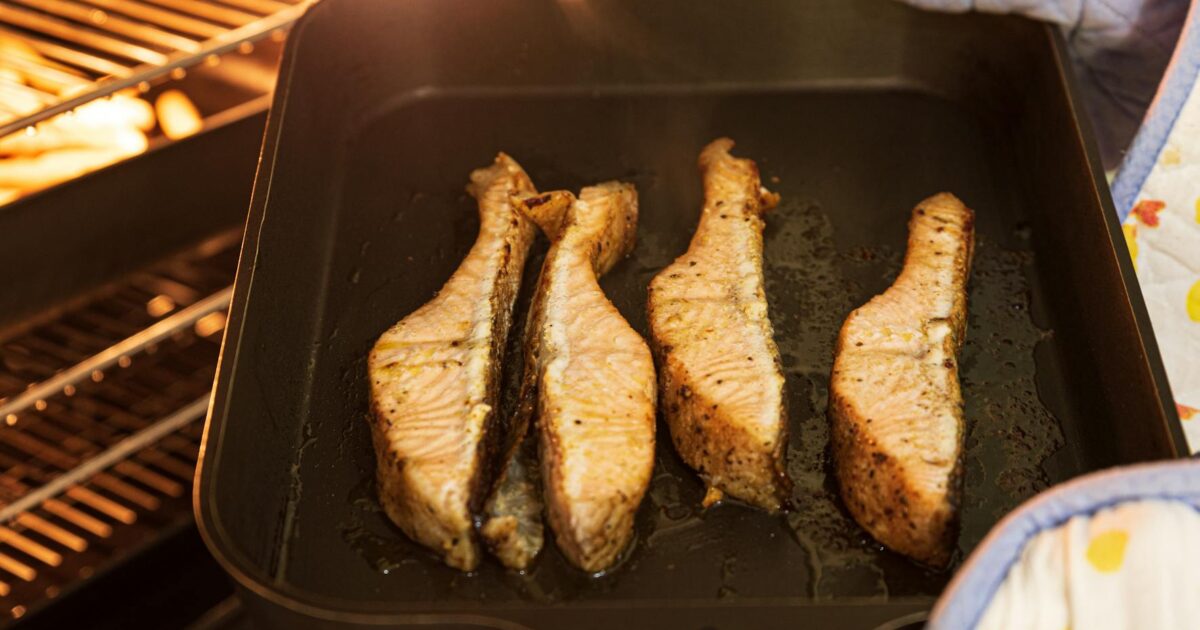
You’ve got that beautiful salmon fillet, ready for the oven. But the million-dollar question lingers: how long to bake salmon at 350? It’s a common query, and getting it just right can feel like a culinary tightrope walk. Too little time, and it’s undercooked and unappetizing. Too much, and you’re left with dry, disappointing fish. As someone who’s spent countless hours in the kitchen perfecting fish dishes, I can tell you that nailing the baking time at 350°F is absolutely achievable. It boils down to a few key factors, and thankfully, they’re easy to master.
Forget the guesswork. In this guide, I’ll walk you through exactly how long to bake salmon at 350°F, covering everything from fillet thickness to achieving that perfect, flaky texture that makes salmon a star. We’ll also touch on why 350°F is a fantastic temperature for baking salmon and what signs to look for to ensure it’s done to perfection. Let’s get cooking!
Understanding Salmon Baking Time at 350°F
The general rule of thumb for baking salmon at 350°F (175°C) is about 12 to 15 minutes per inch of thickness. This is your starting point. However, ‘per inch’ can be a bit vague when you’re staring at a fillet. My personal experience, honed over years of cooking for family and friends, suggests that most standard salmon fillets, typically around 1 to 1.5 inches thick at their thickest point, will fall right into that 12-15 minute window.
Why 350°F? It’s a moderate temperature that allows the salmon to cook through evenly without drying out the exterior before the interior is done. It’s gentle enough to preserve moisture but hot enough to create a lovely, tender result. This temperature is less likely to scorch the skin or overcook delicate parts of the fillet, making it a forgiving choice for home cooks.
How Long to Bake Salmon Fillets at 350: Key Factors
While the 12-15 minute rule is a great guideline, several factors can influence the exact baking time. I’ve learned to always consider these variables:
- Fillet Thickness: This is paramount. A thin tail piece will cook much faster than a thick center cut. Always measure or visually assess the thickest part of your fillet.
- Bone-in vs. Boneless: Bone-in salmon can sometimes take a minute or two longer, as the bone acts as an insulator. However, the difference is often negligible at this temperature.
- Fat Content: Fattier cuts, like Atlantic salmon, tend to be more forgiving and can handle slightly longer cooking times without drying out as much as leaner varieties.
- Starting Temperature: If your salmon is straight from a very cold fridge, it might take a minute or two longer. Letting it sit at room temperature for about 15-20 minutes before baking can help ensure more even cooking.
- Oven Variability: Ovens are notoriously inconsistent! My own oven often runs a little hotter or cooler than its dial suggests. Using an oven thermometer is a game-changer for consistent results.
When I first started cooking salmon regularly, I used to set a timer and just hope for the best. Now, I factor in these elements, especially the thickness. I’ll often glance at the thickest part after about 10 minutes and gauge from there, rather than relying solely on a timer.
Determining Salmon Doneness at 350°F
The most reliable way to know if your salmon is perfectly cooked is by checking its internal temperature. For moist, flaky salmon, aim for an internal temperature of 125°F to 135°F (52°C to 57°C) for medium-rare to medium. For well-done, aim for 140°F (60°C). Remember, the temperature will rise a few degrees as it rests.
Visually, perfectly baked salmon will turn opaque pink, and you should be able to easily flake it apart with a fork at its thickest point. If it looks translucent or feels rubbery, it needs more time. If it’s falling apart into dry shards, it’s likely overcooked. I always recommend a good instant-read thermometer; it’s the single best tool for foolproof fish.
Expert Tip: For an extra layer of flavor and moisture, try placing a few thin slices of lemon or a sprig of fresh dill on top of the salmon fillet before baking. It infuses a subtle aroma and keeps the surface from drying out too quickly. I often add a little garlic powder and paprika to the top too for an extra kick.
Using a Baking Dish vs. Baking Sheet
You have a couple of options for how to bake your salmon at 350°F, and each has its merits. I often switch between them depending on what I’m serving with the salmon and how much cleanup I want to do!
- Baking Sheet: Line a baking sheet with parchment paper or aluminum foil for easy cleanup. This is great for fillets that are seasoned simply. You can get a little crispiness on the bottom if you like.
- Baking Dish: A glass or ceramic baking dish is perfect if you’re adding a sauce, marinade, or vegetables to cook alongside the salmon. This method can help retain more moisture, especially if you cover the dish loosely with foil for the first half of cooking.
When I’m making a quick weeknight meal, I usually opt for a parchment-lined baking sheet. If I’m doing a more involved dish, perhaps with roasted asparagus or cherry tomatoes, a baking dish is the way to go. For both methods, preheating your oven is absolutely key to ensuring the salmon starts cooking immediately and evenly.
Timing Variations: Different Cuts and Preparations
While the 12-15 minutes per inch is a solid baseline, let’s consider how different preparations might affect timing when baking salmon at 350°F:
- Salmon Steaks: Salmon steaks, which are cross-sections of the fish, often have a more uniform thickness. A 1-inch thick steak will likely take around 12-15 minutes.
- Salmon Whole Side: A whole side of salmon is fantastic for a crowd. Because the thickness varies considerably from tail to head, you’ll want to check the thickest part. It might take closer to 20-25 minutes for a standard-sized side, but always rely on the internal temperature.
- Salmon Wrapped in Foil (En Papillote): Baking salmon wrapped tightly in parchment or foil can slightly speed up the cooking process as it steams in its own juices. It also locks in moisture beautifully. Time might be closer to 10-12 minutes per inch, but checking is still essential.
I remember one time I was cooking for a larger group and used a whole side of salmon. I was so focused on the clock that I forgot to check the thickest part. It ended up being a little overcooked on the thinner tail end by the time the center was perfect. Now, I always prioritize checking the thickest part, even with a whole side.
Important: Do not overcook your salmon! Overcooked salmon is dry, tough, and lacks the rich, buttery texture that makes it so delicious. It’s always better to err on the side of slightly undercooked and return it to the oven for a few more minutes than to have it ruined by being overdone. The residual heat will continue to cook the fish after you remove it from the oven.
Common Mistakes When Baking Salmon at 350
Even with a clear guideline, some common pitfalls can lead to less-than-perfect salmon. I’ve made them myself, so I know them well:
- Not Preheating the Oven: Putting salmon into a cold oven means it will cook unevenly and take longer than expected. Always ensure your oven is fully preheated to 350°F.
- Overcrowding the Pan: If you’re baking multiple fillets, give them space. If they’re too close together, the air won’t circulate properly, leading to uneven cooking and steaming instead of baking.
- Not Seasoning Adequately: Salmon has a delicate flavor, but it still needs seasoning! Salt, pepper, and a little bit of acid (like lemon juice) can make a world of difference. Don’t be shy with the salt and pepper.
- Relying Solely on Time: As we’ve discussed, time is a guide, not a rule. Thickness, oven variations, and even the specific cut of salmon mean you must check for doneness.
One mistake I used to make was not seasoning the salmon enough, especially if I was using a marinade. I’d assume the marinade would do all the work. Turns out, a little direct seasoning (salt and pepper) before marinating or baking makes a huge difference in the overall flavor profile.
External Authority Link
For further guidance on internal temperatures for various types of fish, the United States Department of Agriculture (USDA) provides excellent recommendations. According to the USDA, the recommended internal temperature for fish is 145°F (63°C) to ensure it is cooked thoroughly and safe to eat. However, many chefs and home cooks prefer to cook salmon to a lower temperature (125-135°F) for a more desirable texture, as it is generally safe to consume at these temperatures. Always ensure your salmon is fresh and handled properly.
The U.S. Food and Drug Administration (FDA) recommends cooking finfish to an internal temperature of 145°F (63°C). At this temperature, the fish will be opaque and flake easily with a fork.
It’s important to note that while the FDA provides a safe cooking temperature, personal preference plays a significant role in salmon doneness. My preference, and that of many others, leans towards a more moist and tender result achieved at lower temperatures, typically 125-135°F.
Frequently Asked Questions
How long does it take to bake a 1-inch thick salmon fillet at 350°F?
A 1-inch thick salmon fillet typically takes 12 to 15 minutes to bake at 350°F. This timeframe allows the fillet to cook through evenly while remaining moist and flaky. Always check the thickest part for doneness, as variations can occur.
What internal temperature should salmon reach when baked at 350°F?
For perfectly moist and flaky salmon, aim for an internal temperature between 125°F and 135°F (52°C to 57°C) for medium-rare to medium. If you prefer it well-done, cook it to 140°F (60°C). Remember the temperature will rise slightly after removing it from the oven.
Can I bake salmon at 350°F with vegetables?
Yes, you can absolutely bake salmon at 350°F with vegetables. Place heartier vegetables like broccoli florets or asparagus spears around the salmon in the baking dish. They will likely need a similar cooking time, or you can start them a few minutes earlier if they are cut smaller.
What if my salmon is thicker or thinner than 1 inch?
If your salmon is thinner, it will cook faster, likely in 8-10 minutes. If it’s thicker, say 1.5 to 2 inches, it will require more time, potentially 18-20 minutes or more. Always use the internal temperature or visual flakiness as your guide rather than strictly adhering to time.
How do I know if my salmon is done without a thermometer?
You can tell salmon is done by using a fork to gently press down on the thickest part. If it flakes easily into distinct pieces and the flesh turns from translucent to opaque pink, it’s ready. If it’s still slightly translucent or gummy, it needs a little more time.
Conclusion
Mastering how long to bake salmon at 350°F is simpler than you might think. By understanding the key factors—primarily fillet thickness—and knowing what signs of doneness to look for, you can consistently achieve incredibly moist and flaky results. Remember the general guideline of 12-15 minutes per inch, but always trust your senses and a reliable thermometer.
So next time you’re wondering, “how long to bake salmon at 350?”, you’ll have the confidence to pull off a restaurant-quality dish right in your own kitchen. Happy baking!




Sabrina
Expert contributor to OrevateAI. Specialises in making complex AI concepts clear and accessible.