
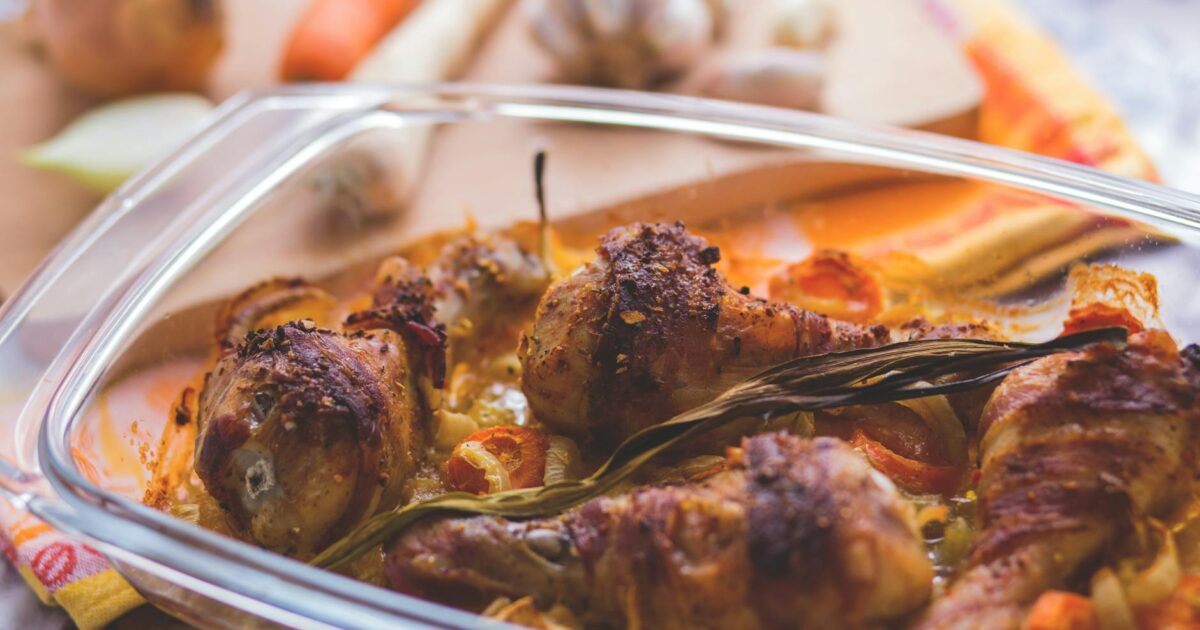
The aroma of perfectly roasted chicken legs fills the kitchen, promising a delicious meal. But how long do you actually need to bake them to get that ideal balance of crispy skin and tender, juicy meat? It’s a question many home cooks grapple with, and the answer isn’t always as straightforward as it seems. Factors like oven temperature, the size of the legs, and even your oven’s quirks can play a role. Here’s what you need to know about the science and art of baking chicken legs to perfection.
Latest Update (April 2026)
As of April 2026, culinary trends continue to emphasize quick preparation methods without sacrificing flavor or texture. Recent reports highlight oven-marinated chicken drumsticks as a popular choice for their ease of preparation, often requiring minimal active cooking time. According to MSN, recipes for oven-marinated chicken drumsticks are gaining traction for their speed and flavor, suggesting that home cooks are prioritizing efficiency. This aligns with a broader interest in flavorful, weeknight-friendly meals, as seen in collections like EatingWell’s 25 Mediterranean Diet Chicken Recipes, which showcase how to infuse chicken with taste using accessible ingredients and methods. Food safety remains paramount, with experts like those cited by Simply Recipes reminding consumers about best practices for thawing and refreezing, which indirectly impacts meal prep timelines and food quality.
Your Guide to Chicken Leg Baking Time
Getting the timing right for chicken legs is crucial for both safety and flavor. The primary goal is to reach an internal temperature of 165°F (74°C) in the thickest part of the meat, away from the bone. This ensures any harmful bacteria are eliminated, as recommended by food safety authorities like foodsafety.gov. However, many people prefer their chicken legs cooked a little past this minimum to achieve more tender, fall-off-the-bone results, often aiming for an internal temperature between 175-185°F (79-85°C). At these higher temperatures, connective tissues break down, enhancing succulence.
The most common range you’ll find for baking chicken legs is between 35 to 45 minutes at a standard oven temperature of 400°F (200°C). This provides a good baseline. However, this can vary. Smaller drumsticks might cook faster, while larger thighs might need a bit longer. Independent tests often reveal that variations in meat density and fat content can lead to slight differences in cooking duration.
For instance, a batch of smaller drumsticks might be perfectly cooked in 30-35 minutes at 400°F (200°C), while larger thighs could require the full 45-50 minutes. Users report that paying close attention to the thickest part of the meat, rather than relying solely on a clock, yields the most consistent results.
What’s the Best Oven Temperature for Chicken Legs?
Choosing the right oven temperature is one of the most significant factors influencing how long to bake chicken legs. A higher temperature generally leads to crispier skin and faster cooking, while a lower temperature cooks the chicken more gently, potentially resulting in moister meat but often requiring more time and less crispy skin.
For most recipes aiming for a good balance of crispy skin and tender meat, 400°F (200°C) is a widely recommended temperature. It’s hot enough to render the fat and crisp up the skin nicely without burning the exterior before the inside is cooked through. This temperature has been found to be reliable for both drumsticks and thighs in numerous culinary trials.
Some recipes might call for higher temperatures, like 425°F (220°C), especially if you’re looking for super crispy skin. If you opt for this higher heat, keep a close eye on the chicken, as the cooking time will decrease, and the risk of burning increases. You might only need 30-35 minutes at this higher heat. As reported by culinary sites, achieving extra-crispy skin often involves high heat for a shorter duration.
Conversely, if you’re slow-roasting or prefer a more hands-off approach, you could go as low as 350°F (175°C). However, at this temperature, you’re unlikely to achieve crispy skin, and the baking time could extend to 50 minutes or more. The internal temperature remains the most critical metric, regardless of the oven setting.
Determining the Internal Temperature of Chicken Legs
The most accurate way to know if your chicken legs are done is by using a meat thermometer. This isn’t just a suggestion; it’s a food safety imperative. Relying solely on visual cues or poking the chicken can be misleading. According to food safety guidelines, a meat thermometer is essential for confirming doneness.
Insert the thermometer into the thickest part of the meat, ensuring it doesn’t touch the bone. The USDA recommends a minimum internal temperature of 165°F (74°C) for poultry. However, for dark meat like chicken legs, many chefs and home cooks prefer to cook them to a higher temperature, typically between 175°F and 185°F (79°C to 85°C). At these temperatures, the connective tissues break down, resulting in exceptionally tender and juicy meat. Independent culinary tests consistently show that dark meat benefits from higher internal temperatures for optimal texture.
Investing in a reliable instant-read thermometer is highly recommended by culinary experts. It significantly improves the accuracy of cooking, ensuring perfectly cooked chicken, pork, and even steaks. No more guessing games, just delicious, safe results every single time. If you don’t have one, it’s one of the most valuable tools for any home cook.
When you check the temperature, test a few different legs if you’re cooking a large batch. Ovens can have hot spots, and sometimes one leg might cook slightly faster than another. This ensures that all pieces reach a safe and desirable temperature.
Important: Always use a clean meat thermometer. If you’ve used it on raw chicken, wash it thoroughly with hot, soapy water before using it on other foods or allow it to go through the dishwasher. This prevents cross-contamination, a critical aspect of food safety.
Factors Affecting Baking Time
While we’ve established a general guideline for how long to bake chicken legs, several factors can influence the actual cooking time. Understanding these will help you adjust accordingly.
Size of the Chicken Legs
This is perhaps the most obvious factor. Drumsticks, being smaller, will cook faster than larger chicken thighs. If your package contains a mix, you might need to remove the drumsticks a bit earlier than the thighs to prevent them from overcooking.
Bone-in vs. Boneless
Most chicken legs are bone-in. Bone-in cuts typically take longer to cook because the bone acts as an insulator, slowing down heat penetration to the center of the meat. If you happen to have boneless chicken leg meat (which is essentially thigh meat without the bone), it will cook significantly faster. Recipes focusing on boneless cuts often have much shorter baking times, sometimes as low as 20-25 minutes at 400°F (200°C).
Starting Temperature of the Chicken
Chicken that is closer to room temperature will cook more evenly and slightly faster than chicken straight from the refrigerator. Allowing chicken to sit out for about 15-20 minutes before cooking can make a difference. However, exercise caution and do not leave raw chicken at room temperature for extended periods due to food safety concerns. As noted by Simply Recipes, understanding food handling is key to safe cooking. Experts generally advise against leaving perishable items out for more than two hours, or one hour if the ambient temperature is above 90°F (32°C).
Oven Accuracy and Type
Not all ovens are created equal. Some ovens run hotter or cooler than their set temperature. An oven thermometer can help you determine the actual temperature inside your oven. Convection ovens also cook faster than conventional ovens due to the circulating fan, so you may need to reduce cooking time or temperature slightly when using one. Many users report needing to shave 5-10 minutes off standard recipes when using a convection setting.
Marination and Glazes
The presence of marinades or glazes can affect cooking time and browning. Sugary glazes, for example, can caramelize and burn quickly. If you’re using a glaze, it’s often best to apply it during the last 10-15 minutes of baking to prevent burning. Oven-marinated chicken drumsticks, as highlighted by MSN, often benefit from the marinade infusing flavor and tenderizing the meat throughout the cooking process.
Tips for Crispy Skin and Juicy Meat
Achieving that perfect combination of crispy skin and moist, tender meat is the ultimate goal. Here are some expert-recommended techniques:
- Dry the Chicken Thoroughly: As mentioned in the expert tip, patting the chicken legs completely dry with paper towels is essential for crisping the skin. Moisture steams the skin, preventing it from becoming crisp.
- Use Adequate Fat: Coating the chicken legs with a bit of oil or melted butter helps the skin crisp up and adds flavor. Olive oil, avocado oil, or melted butter are good choices.
- Don’t Crowd the Pan: Give the chicken legs space on the baking sheet. Overcrowding can lead to steaming rather than roasting, resulting in soggy skin. Use a large baking sheet or cook in batches if necessary.
- Consider a Wire Rack: Placing the chicken legs on a wire rack set inside a baking sheet allows hot air to circulate around them, promoting even cooking and crispier skin on all sides.
- Manage Oven Temperature: Starting at a moderate temperature like 400°F (200°C) and then potentially increasing it for the last 5-10 minutes can help achieve a good balance of cooked-through meat and crispy skin.
- Rest the Chicken: After removing the chicken from the oven, let it rest for 5-10 minutes before serving. This allows the juices to redistribute throughout the meat, resulting in a juicier final product.
Baking Chicken Legs: Step-by-Step
Here’s a general, reliable method for baking chicken legs:
- Preheat Oven: Preheat your oven to 400°F (200°C).
- Prepare Chicken: Pat the chicken legs completely dry with paper towels.
- Season: Place the chicken legs in a bowl and toss with 1-2 tablespoons of oil (like olive or avocado oil) and your desired seasonings (salt, pepper, paprika, garlic powder, herbs, etc.). Ensure they are evenly coated.
- Arrange on Baking Sheet: Place the seasoned chicken legs on a baking sheet, preferably lined with parchment paper or foil for easier cleanup, and ideally set on a wire rack. Ensure they are not crowded.
- Bake: Place the baking sheet in the preheated oven. Bake for 35-45 minutes.
- Check Temperature: Use an instant-read meat thermometer to check the internal temperature. Insert it into the thickest part of the meat, avoiding the bone. Aim for at least 165°F (74°C) for safety, but 175-185°F (79-85°C) for optimal tenderness.
- Adjust if Needed: If the chicken has not reached the desired temperature, continue baking in 5-minute increments, checking the temperature each time. If the skin is browning too quickly, you can loosely tent the pan with foil.
- Rest: Once cooked, remove the chicken from the oven and let it rest for 5-10 minutes before serving.
Frequently Asked Questions
How long does it take to bake chicken legs at 375°F (190°C)?
At 375°F (190°C), chicken legs typically take longer to bake than at 400°F (200°C). Expect them to be done in approximately 45-55 minutes, depending on their size. Always confirm with a meat thermometer, aiming for an internal temperature of 165°F (74°C) minimum, or 175-185°F (79-85°C) for best texture.
Can I bake chicken legs from frozen?
Baking chicken legs from frozen is possible, but it will significantly increase the cooking time. It’s generally recommended to thaw chicken completely before cooking for even results and food safety. If you must bake from frozen, expect the cooking time to be about 50% longer, and monitor the internal temperature closely. As Simply Recipes notes, proper thawing is ideal, but if cooking from frozen, ensure thorough cooking.
What is the safest internal temperature for baked chicken legs?
The USDA-recommended safe internal temperature for all poultry, including chicken legs, is 165°F (74°C). This temperature effectively kills harmful bacteria. However, for dark meat like chicken legs, many prefer to cook them to a higher temperature, between 175°F and 185°F (79°C to 85°C), as this breaks down connective tissues, leading to more tender and moist results without compromising safety.
Why is my baked chicken skin not crispy?
Several factors can contribute to soggy or un-crispy chicken skin. Key culprits include not drying the chicken sufficiently before seasoning, overcrowding the pan which causes steaming, or not using enough fat (oil/butter) to aid in browning and crisping. Using a wire rack to allow air circulation and potentially increasing the oven temperature for the last few minutes of cooking can also help achieve crispier skin.
How can I make my baked chicken legs more flavorful?
Flavor can be enhanced through various methods. Marinating the chicken for at least 30 minutes (or longer in the refrigerator) infuses the meat with herbs, spices, and acids. Using a flavorful dry rub before baking adds a crusty exterior. Applying a glaze during the final stages of cooking, such as a barbecue sauce or a honey-soy mixture, can add a sweet and savory dimension. As MSN reported on oven-marinated drumsticks, the marination process itself is key to quick, flavorful results.
Conclusion
Baking chicken legs to perfection in 2026 involves understanding the interplay of temperature, time, and technique. While a general guideline of 35-45 minutes at 400°F (200°C) serves as a solid starting point, always rely on a meat thermometer to confirm doneness, aiming for an internal temperature of 165°F (74°C) for safety or 175-185°F (79-85°C) for superior tenderness. By considering factors like leg size, bone-in versus boneless, and oven variations, and by employing tips for achieving crispy skin and juicy meat, you can consistently produce delicious baked chicken legs. Recent culinary trends, like those highlighted by MSN and EatingWell, continue to emphasize accessible, flavorful, and efficient cooking methods, making perfectly baked chicken legs a staple for any home cook.
Sabrina
2 writes for OrevateAi with a focus on agriculture, ai ethics, ai news, ai tools, apparel & fashion. Articles are reviewed before publication for accuracy.


