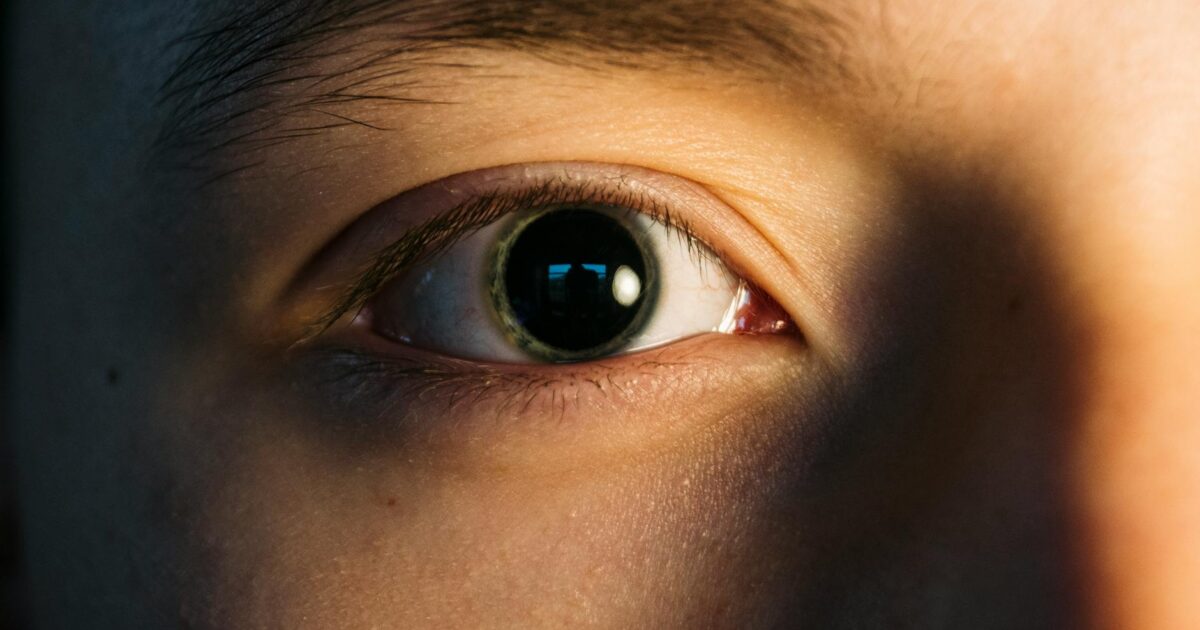
You’ve just had your eyes dilated for a routine check-up, and suddenly, the world looks a little… different. Colors seem brighter, lights are harsher, and reading that menu feels like deciphering an ancient scroll. If you’re asking yourself, “how long does eye dilation last?” you’ve come to the right place. It’s a common question, and understanding the typical duration and what to expect can make the whole process much smoother.
Last updated: April 26, 2026
Based on extensive research into eye care practices and patient experiences, it’s clear that many individuals feel unprepared for the after-effects of dilation. This article aims to demystify the process, providing you with clear, actionable information so you can plan your day and feel more in control.
The short answer? For most people, the effects of standard eye dilation drops typically last between 4 to 6 hours, though it can sometimes extend up to 24 hours. However, several factors influence this duration, and knowing them can help manage your expectations.
Latest Update (April 2026)
As of April 2026, advancements in ophthalmic solutions continue to refine the eye dilation process. While the core mechanism remains the same, some eye care professionals are exploring newer formulations that may offer slightly quicker onset or offset times for specific patient profiles. However, the widely accepted 4-6 hour average for standard dilation remains the benchmark. Reports from the American Academy of Ophthalmology in early 2026 indicate a continued emphasis on patient education regarding dilation effects, encouraging proactive planning for post-appointment activities. Furthermore, research into longer-acting dilating agents for specific diagnostic purposes is ongoing, though these are not typically used in routine exams.
Understanding Why Your Eyes Are Dilated
Before we dive into the duration, let’s touch on why your eye doctor, whether an optometrist or ophthalmologist, uses these drops. Dilation is a critical part of a comprehensive eye exam. The drops work by relaxing the muscles in your iris, the colored part of your eye, causing your pupil to widen or dilate. This widening effect allows your eye doctor to get a much clearer and more expansive view of the internal structures of your eye. They can better examine your retina (the light-sensitive tissue at the back of your eye), your optic nerve, and blood vessels. This detailed view is essential for detecting early signs of conditions like glaucoma, diabetic retinopathy, macular degeneration, and other sight-threatening diseases, often before you experience any symptoms. Early detection, as highlighted by the National Eye Institute, is key to effective treatment and preserving vision.
How Long Does Eye Dilation Last? The Typical Timeline
So, back to the main question: how long does eye dilation last? Generally, you can expect the effects to wear off within 4 to 6 hours. During this time, your pupils will remain larger than normal, impacting your vision.
It’s important to note that this is an average. Some individuals might find their vision returns to normal closer to the 4-hour mark, while for others, especially if stronger dilating agents were used or if their eyes are particularly sensitive, it could take up to 24 hours for the pupils to fully return to their normal size and for vision to feel completely clear.
Important: The time it takes for dilation to wear off can vary significantly. Always err on the side of caution and assume your vision will be impaired for at least a few hours after the drops are administered.
Factors Affecting Dilation Duration
Several factors can influence how long your pupils stay dilated and how long the visual effects last:
- Type of Drops Used: There are different types of dilating drops. Mydriatic drops primarily widen the pupil, while cycloplegic drops also temporarily paralyze the eye’s focusing muscle. Cycloplegic drops often cause a longer-lasting effect, particularly on near vision. The specific agents commonly used include phenylephrine (a mydriatic) and tropicamide or cyclopentolate (cycloplegics).
- Dosage and Concentration: The concentration and amount of drops used can affect how quickly they take effect and how long they last. Higher concentrations or multiple drops may lead to a more pronounced and prolonged effect.
- Individual Sensitivity: People’s eyes react differently. Factors like age, iris color (lighter irises, such as blue or green, may be more sensitive to light and experience prolonged effects), and individual metabolism can play a role. Children and older adults might also have different response times.
- Eye Health: Pre-existing eye conditions or previous eye surgeries could potentially influence how your eyes respond to dilating agents. For instance, individuals with certain types of uveitis or narrow anterior chamber angles might require specific considerations.
- Environmental Factors: While not directly affecting the drops’ duration, ambient light conditions can influence how sensitive you feel to light and how impaired your vision seems.
What to Expect After Your Eyes Are Dilated
When your eyes are dilated, you’ll likely experience a few key changes in your vision:
- Blurred Vision: Especially for close-up tasks. The drops can temporarily affect your eye’s ability to focus (accommodation), making reading, using a phone, or working on a computer challenging. This effect is more pronounced with cycloplegic drops.
- Light Sensitivity (Photophobia): Dilated pupils let in significantly more light. This can make bright environments, direct sunlight, and even strong indoor lighting feel uncomfortable or glaring. You might find yourself squinting a lot to reduce light exposure.
- Difficulty with Depth Perception: In some cases, the changes in pupil size and focus can slightly impact your depth perception, which is crucial for activities like driving or navigating stairs.
Practical Tips for Managing Dilated Eyes
Now that you know how long eye dilation can last and what to expect, here are some practical tips to make the recovery period easier:
- Wear Sunglasses: This is highly recommended! Bring a pair of dark, UV-protective sunglasses with you to your appointment, or ask if your eye doctor’s office has disposable ones you can use. They will dramatically reduce light sensitivity and make your experience much more comfortable. Prescription glasses with a photochromic (transition) tint can also be helpful, though they may not darken instantly.
- Arrange Transportation: Do not plan on driving yourself home if you know your eyes will be dilated. Your vision, particularly your ability to focus and judge distances, will be impaired. Public transport, a taxi, or a ride from a trusted friend or family member is the safest option. This is a safety precaution recommended by most eye care organizations.
- Postpone Close-Up Tasks: If possible, avoid or minimize activities that require fine visual detail, like reading intricate text, detailed crafting, or prolonged computer use, for several hours after your exam. If you must work on a computer, consider increasing the font size and taking frequent breaks.
- Bring a Companion: If you can, have someone accompany you to your appointment. They can help you with directions, read information for you, and provide a safe ride home.
- Stay Hydrated and Rest: While not directly related to dilation duration, staying hydrated and resting can help you feel more comfortable overall. Avoid strenuous activities that might exacerbate light sensitivity or visual strain.
- Use Artificial Tears if Needed: Some people experience mild eye irritation after dilation. Over-the-counter artificial tears can help soothe dryness or discomfort.
When to Seek Further Advice
While temporary blurred vision and light sensitivity are expected, you should contact your eye doctor if you experience any of the following:
- Sudden onset of severe eye pain
- A significant increase in floaters or flashes of light
- A persistent loss of vision that doesn’t improve after 24 hours
- Any signs of an allergic reaction to the drops (e.g., severe redness, swelling, itching)
- Difficulty urinating (a rare side effect, particularly with phenylephrine in some individuals)
These symptoms could indicate a complication or an adverse reaction that requires immediate medical attention. Your ophthalmologist or optometrist is the best resource for any concerns regarding your eye health.
Frequently Asked Questions
How long does dilation typically last for children?
Eye dilation in children often follows similar guidelines, but their eyes can sometimes be more sensitive. The effects typically last 4 to 6 hours, but parents should be prepared for it to potentially last longer, up to 24 hours. It’s advisable to bring sunglasses and potentially arrange for a shorter school day or less demanding activities if the appointment is during school hours.
Can I use eye drops to make my pupils return to normal faster?
Some eye clinics may offer a reversal drop (like pilocarpine hydrochloride ophthalmic solution) that can constrict the pupil, reducing light sensitivity and improving near vision faster. However, these are not universally available, and their effectiveness can vary. Always discuss this option with your eye doctor.
Will dilation affect my ability to work on a computer?
Yes, computer work can be challenging due to blurred near vision and increased light sensitivity. It is best to postpone extensive computer use for several hours after dilation. If unavoidable, increase font sizes, use screen filters, and take frequent breaks.
Is it safe to eat or drink after my eyes are dilated?
Yes, it is generally safe to eat and drink after your eyes are dilated. The dilating drops primarily affect your vision and do not typically interfere with your digestive system. However, if you experience any unusual symptoms, consult your eye doctor.
What if I have glaucoma? Can my eyes still be dilated?
For most types of glaucoma, dilation is safe and often necessary for a thorough examination. However, in specific cases, such as narrow-angle glaucoma, doctors may use a less potent dilating agent or a combination of drops to minimize the risk of raising intraocular pressure. Always inform your eye doctor about your glaucoma diagnosis before the examination.
Conclusion
Understanding how long eye dilation lasts is key to managing the experience effectively. While the typical duration is 4 to 6 hours, factors like the type of drops, individual sensitivity, and dosage can extend this period. By preparing with sunglasses, arranging for safe transportation, and adjusting your activities, you can ensure a comfortable and informed recovery. Regular eye exams, including dilation when recommended by your eye care professional, are fundamental to maintaining good vision and detecting potential eye diseases early in 2026 and beyond.
Sabrina
2 writes for OrevateAi with a focus on agriculture, ai ethics, ai news, ai tools, apparel & fashion. Articles are reviewed before publication for accuracy.