How long do bees live? It’s a question that often sparks curiosity, especially when you see these incredible pollinators hard at work in your garden. The answer, however, isn’t a simple one-size-fits-all. Just like us, bees have different roles, and their lifespans vary dramatically based on that role, the season, and environmental factors.
In my years of observing and working with bee populations in various garden settings, I’ve seen firsthand how dynamic these lifecycles are. It’s not just about how long they live, but how impactful their short lives can be for our ecosystem.
Let’s dive into the fascinating world of bee lifespans, from the diligent worker to the vital queen and the often-overlooked drone.
Table of Contents
The Worker Bee’s Short, Busy Life
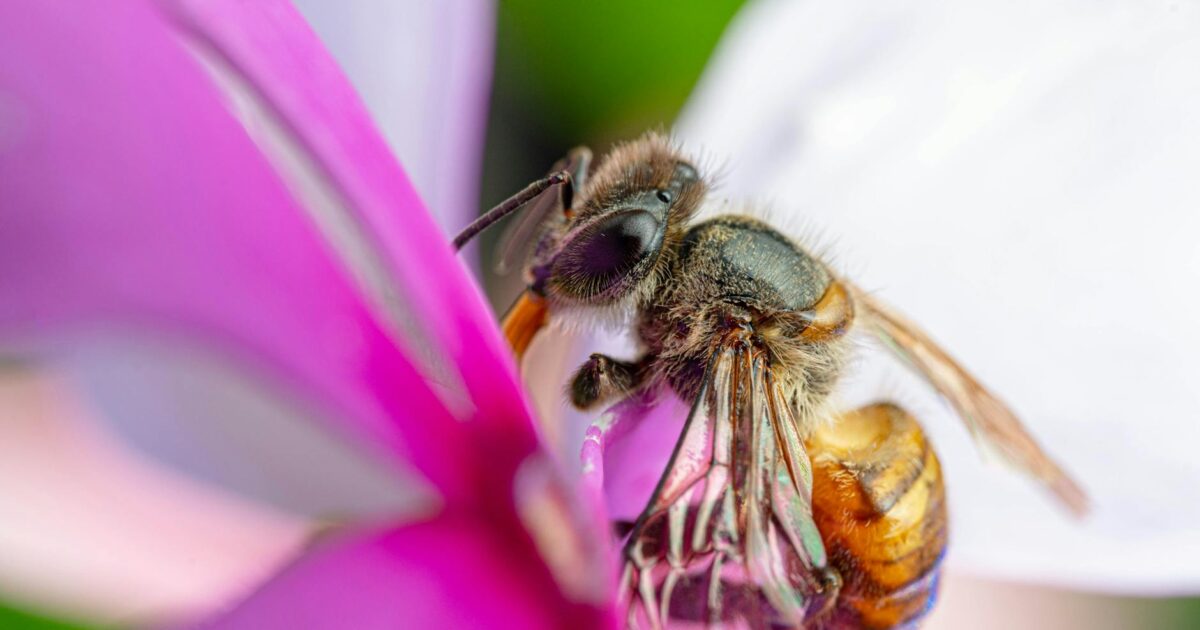
When most people think of bees, they’re picturing the worker bee. These are the females that make up the vast majority of the hive’s population, and their lives are a whirlwind of activity. Their lifespan is heavily dictated by how hard they work and the time of year.
During the busy spring and summer months, a worker bee’s life is incredibly demanding. They are responsible for everything: foraging for nectar and pollen, building and cleaning the hive, feeding the young, defending the colony, and regulating hive temperature. This relentless work takes a toll. In peak season, a worker bee might only live for about 4 to 6 weeks. It’s a short but incredibly productive existence, with each bee contributing to the colony’s survival.
The Reign of the Queen Bee
The queen bee is the heart and soul of the colony, and her lifespan is dramatically different from her female workers. While a worker bee’s life is measured in weeks, a queen bee’s can be measured in years. With proper care and nutrition (fed exclusively royal jelly), a healthy queen can live for 2 to 5 years, and sometimes even longer.
Her primary role is reproduction. She lays all the eggs in the hive – thousands per day during peak season! This vital function ensures the colony’s continuation. Because her role is so specialized and she’s protected by her workers, she avoids the harsh outdoor labor and environmental dangers faced by her daughters. Her longevity is crucial for the colony’s stability.
However, it’s important to note that after about 2-3 years, a queen’s egg-laying efficiency often declines. Beekeepers sometimes choose to replace older queens proactively to maintain a strong, productive colony.
The Drone’s Singular Purpose
Drones are the male bees in the colony, and their lifespan is also quite specific, though perhaps less impactful than the queen’s or workers’. Their sole purpose is to mate with a virgin queen from another colony. They don’t forage, build, or defend the hive. They are essentially pampered guests, fed by the worker bees.
If a drone is successful in mating, its life ends immediately after. If it’s unsuccessful, its fate is often sealed as winter approaches. As resources become scarce and the colony prepares for leaner times, worker bees will typically drive the drones out of the hive to conserve food. Drones cannot survive the cold or forage for themselves, so those expelled usually perish within days.
Therefore, a drone’s lifespan can range from a few weeks to a few months, depending on whether they achieve their reproductive goal and the colony’s seasonal needs.
What Influences How Long Bees Live?
Beyond their specific roles, several external factors significantly impact how long bees live. Think of these as the environmental pressures and conditions that can shorten or, in some cases, extend their lives.
Genetics: Just like any organism, some bees are genetically predisposed to live longer or shorter lives. Certain breeds or strains might be hardier.
Nutrition: A diverse diet of nectar and pollen is crucial. Colonies that have access to a variety of floral resources tend to be healthier and more robust. Poor nutrition weakens bees, making them more susceptible to diseases and parasites.
Pesticides and Herbicides: These chemicals are a major threat. Exposure, even at low levels, can impair a bee’s navigation, immune system, and overall health, drastically shortening its lifespan. Neonicotinoids, in particular, have been heavily scrutinized for their impact on bee health.
Diseases and Parasites: Varroa mites are a devastating parasite that weakens bees and transmits viruses. Other diseases, like foulbrood, can also decimate colonies. A bee’s ability to fight these off directly affects its longevity.
Predators: Birds, spiders, and other insects can prey on bees, cutting their lives short. While natural, a high level of predation can impact colony strength.
Hive Conditions: Overcrowding, poor ventilation, and inadequate food stores within the hive can stress bees and reduce their lifespan.
Seasonal Differences in Bee Lifespans
The season plays a massive role in how long a bee lives, particularly for worker bees. As I mentioned, summer workers have incredibly short lives due to intense activity. However, the bees that emerge in late summer or early fall have a different destiny.
These ‘winter bees’ are physiologically different. They are typically larger, have more fat reserves, and their brood-rearing glands are underdeveloped. Their primary job isn’t foraging or building; it’s to keep the queen and the cluster warm throughout the winter. They live much longer, often for 4 to 6 months, surviving until the spring when new generations of shorter-lived summer bees take over.
This extended lifespan for winter bees is critical for the colony’s survival. They are the bridge between the end of one active season and the beginning of the next. Without them, the colony wouldn’t be able to restart its population in the spring.
Here’s a quick comparison of typical lifespans:
| Bee Type | Summer Lifespan | Winter Lifespan |
|---|---|---|
| Worker Bee | 4-6 weeks | 4-6 months |
| Queen Bee | 2-5 years (can vary) | 2-5 years (can vary) |
| Drone Bee | Up to a few months (if not mated/expelled) | Up to a few months (if not mated/expelled) |
How You Can Help Bees Live Longer, Healthier Lives
Understanding how long bees live also brings a sense of responsibility. We can all take steps to support these vital creatures. My own garden has become a sanctuary for pollinators by implementing a few key strategies.
Plant Bee-Friendly Flowers: Choose a variety of plants that bloom throughout the seasons. Bees need a continuous food source. Native plants are often the best choice as they are adapted to local conditions and support native bee species.
Provide Water: Bees need water, especially during hot weather. A shallow dish with pebbles or marbles for them to land on can be a lifesaver.
Avoid Pesticides: This is perhaps the most critical step. Opt for organic gardening methods. If you must use pest control, choose products specifically labeled as safe for bees and apply them in the evening when bees are less active.
Support Local Beekeepers: Buying local honey supports beekeepers who are working to maintain healthy bee populations. They are often the first line of defense against colony collapse.
Create Habitat: For solitary bees, leaving some areas of your garden undisturbed (like bare ground or dead wood) can provide nesting sites.
Educate Others: Share what you learn about bee lifespans and their importance. The more people understand, the more collective action we can take.
It’s a common misconception that all bees live short lives. While worker bees are indeed short-lived, their collective effort ensures the colony thrives. The queen’s longevity provides stability, and even the drones play their part in reproduction. Every bee has a role and a timeframe that contributes to the greater good of the hive and our environment.
The U.S. Department of Agriculture (USDA) emphasizes the critical role of pollinators, including bees, in food production, highlighting their economic and ecological value. Their work is essential for about one-third of the food we eat.
Frequently Asked Questions
Do bees die after stinging?
Honey bees do die after stinging a mammal because their barbed stinger gets lodged in the victim’s skin. As the bee tries to fly away, the stinger, venom sac, and part of its abdomen are torn away, leading to its death.
How many bees are in a hive?
A healthy honey bee colony can house anywhere from 20,000 to 60,000 bees during its peak season in the summer. This large number ensures sufficient workers for foraging, defense, and hive maintenance.
What happens to bees in winter?
In winter, bees form a tight cluster around the queen to stay warm. They generate heat by vibrating their wing muscles and take turns moving to the warmer center of the cluster. Worker bees that emerge in fall live much longer to sustain the colony through the cold months.
Do all bees have the same lifespan?
No, bee lifespans vary significantly by species and role. Worker honey bees live weeks in summer and months in winter, while queen bees can live for several years. Drones live for weeks to months, depending on mating success and the season.
Why are worker bees’ lives so short?
Worker bees’ lives are short due to their demanding physical labor and exposure to environmental hazards. Their constant work foraging, building, and caring for the brood wears them out quickly, especially during the active summer months.
Conclusion: The Value of Every Bee’s Life
So, how long do bees live? The answer is wonderfully complex, highlighting the specialized roles within a colony. From the few weeks of a summer worker bee’s intense labor to the years of a queen’s reign and the survival-focused existence of winter bees, each bee’s lifespan is a testament to the colony’s intricate design and the natural world’s efficiency.
Understanding these lifespans isn’t just about trivia; it’s about appreciating the dedication and effort that goes into maintaining a hive and, by extension, our planet’s ecosystems. By taking simple steps like planting diverse flowers and avoiding harmful pesticides, you can directly contribute to helping bees live longer, healthier, and more impactful lives.




Sabrina
Expert contributor to OrevateAI. Specialises in making complex AI concepts clear and accessible.