
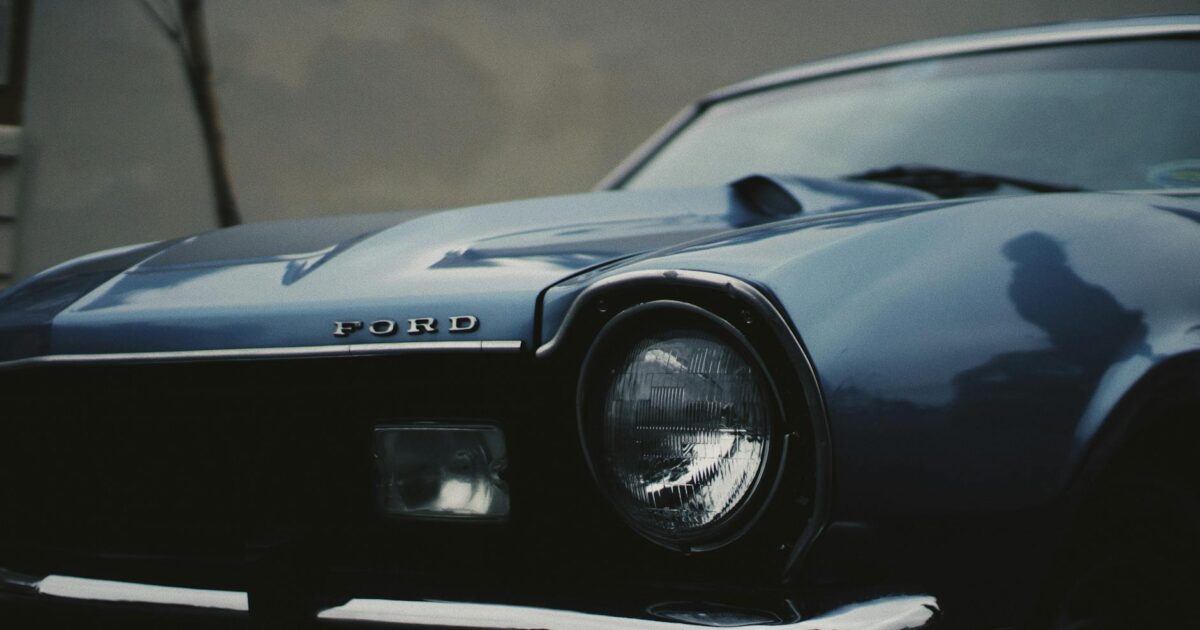
Ford Probe Sports Car Appreciation Guide 2026
This guide covers everything about Ford Probe sports car appreciation in 2026. The Ford Probe sports car might surprise you with its dedicated following. If you’re curious about what makes this often-overlooked coupe so special, you’ve come to the right place. We’re diving deep into the world of Ford Probe appreciation. Forget what you think you know; this car has a unique charm and a story worth telling. (Source: wikipedia.org)
For many, the Ford Probe represents a unique chapter in Ford’s history, blending sporty aesthetics with accessible performance. It wasn’t a Mustang, and it wasn’t an F-150, but it carved out its own niche. This article explores why the Ford Probe continues to capture the hearts of enthusiasts and what makes its appreciation so enduring as of April 2026.
Here’s what we’ll cover:
- The history and evolution of the Ford Probe
- What makes specific Ford Probe models stand out
- Performance and design elements that fuel appreciation
- Tips for potential Ford Probe owners
- The vibrant Ford Probe enthusiast community
Latest Update (April 2026)
As of April 2026, the Ford Probe continues to be a subject of interest for automotive historians and collectors. Recent discussions highlight its unique place in Ford’s lineup, often overshadowed but never forgotten. The Ford Probe IV concept car, for instance, recently surfaced for auction as reported by MSN on April 25, 2026, reminding enthusiasts of Ford’s innovative design explorations during the Probe’s development era. This concept, dating back to 1983, showcases the forward-thinking design that eventually influenced production models. Furthermore, HotCars published an article on April 21, 2026, discussing forgotten Mazda sports cars that were ahead of their time, drawing parallels to the Probe’s collaborative development with Mazda, which brought a blend of Japanese engineering and American styling to the market. These recent mentions underscore the Probe’s lasting impact and the continued fascination with its design and engineering story.
The Ford Probe’s Journey: From Concept to Cult Classic
The story of the Ford Probe begins in the late 1980s. It was conceived as a potential successor to the aging Ford Capri and a more affordable, front-wheel-drive alternative to the Mustang. Developed in collaboration with Mazda, the Probe shared its platform with the Mazda MX-6 and Ford Telstar. This collaboration brought a blend of American design and Japanese engineering, which was quite innovative for its time.
The first generation, launched in 1989 for the 1990 model year, featured a sleek, aerodynamic design with signature pop-up headlights. It aimed for a sporty image without the V8 muscle of its rear-wheel-drive predecessors. Early models offered efficient four-cylinder engines, but the real enthusiast favorite quickly became the GT trim, which boasted a turbocharged four-cylinder engine, delivering a surprising punch for its class.
The second generation, arriving in 1993 for the 1994 model year, saw a redesign that smoothed out the lines and updated the interior. While it lost the pop-up headlights, it gained a more mature and refined look. The base models featured a 2.0-liter engine, but the star remained the GT, now powered by a 2.5-liter V6 engine. This V6 offered a smoother power delivery and a more sophisticated driving experience, further cementing the Probe’s place as a capable, affordable sports car.
What Fuels Ford Probe Sports Car Appreciation in 2026?
Several factors contribute to the ongoing appreciation for the Ford Probe in 2026. For many, it represents a nostalgic connection to the automotive trends of the 90s. The distinctive styling, especially the first-generation’s pop-up headlights and wedge-like profile, is a significant draw. It’s a car that looks like it’s moving even when it’s standing still, a hallmark of good sports car design.
Performance is another key element. While not a supercar by today’s standards, the Probe GT models, particularly the turbocharged first-gen and the V6 second-gen, offered respectable performance for their price point. They provided a fun, engaging driving experience that punched above its weight. Enthusiasts often point to the balanced chassis and responsive handling as highlights, especially when compared to other front-wheel-drive cars of the era. The availability of manual transmissions in many models also adds to the driving purity that many car lovers seek.
The affordability factor also plays a huge role. For years, the Probe was an accessible entry point into sports car ownership. While prices for pristine examples are rising, many Probes remain relatively affordable compared to other cars from the same era, making them a viable option for enthusiasts on a budget looking for a unique project or a weekend cruiser in 2026.
Exploring Collectible Ford Probe Models
Within the Ford Probe lineage, certain models stand out for enthusiasts seeking collectibility in 2026. The first-generation Probe GT (1990-1992) is highly sought after. Its combination of the unique styling, pop-up headlights, and the punchy 2.2L turbocharged four-cylinder engine (rated at 145 horsepower and 145 lb-ft of torque) makes it a standout. Finding one in good, original condition with low mileage can be a challenge.
The second-generation Probe GT (1994-1997), powered by the 2.5-liter V6 engine (producing around 164 horsepower), is also a favorite. This engine offered a smoother, more refined power band than the first-gen turbo. While it lacks the iconic pop-up headlights, its sleeker, more modern design appeals to many. The V6 models, especially those with the optional anti-lock brakes and sport suspension, are considered the pinnacle of the second generation.
There were also special editions, though less common. For instance, some regions had specific appearance packages or limited runs that might be considered more collectible by dedicated fans. However, the GT trims, regardless of generation, are generally the most desired due to their enhanced performance and sportier features.
Important: Rust can be a significant issue for older Ford Probes, especially in areas with harsh winters. Thoroughly inspect the undercarriage, wheel arches, and rocker panels for any signs of corrosion before purchasing. Structural integrity is paramount for any classic car.
Performance and Design: What Makes the Probe Special
The Ford Probe’s design was a departure for Ford, embracing a more contemporary, aerodynamic look. The first generation, with its sharp lines and low stance, was a bold statement. The pop-up headlights were a defining feature of 1980s and early 1990s sports car design, adding a touch of exotic flair. The interior, though functional, was driver-focused, often featuring a cockpit-like feel with a wraparound dashboard and easy access to controls.
The first-generation Probe GT’s 2.2L turbocharged four-cylinder engine provided spirited acceleration, making it feel quicker than its horsepower figures might suggest. Its robust torque curve meant strong pull from lower RPMs, contributing to its fun-to-drive nature. The Mazda-derived platform offered good handling dynamics, with independent suspension on all four corners. Early reviews from the period often praised its ride and handling balance, noting it could hold its own against competitors.
The second-generation Probe, particularly the GT V6 model, offered a more refined performance. The 2.5-liter Mazda KL-DE V6 engine, shared with the Mazda MX-6 and Ford’s own Mystique, produced approximately 164 horsepower and 157 lb-ft of torque. This engine delivered smoother power and a more linear acceleration curve. While it lost the turbo’s raw punch, it gained a more sophisticated exhaust note and a broader powerband suitable for daily driving and spirited weekend trips. The chassis was further refined, offering a comfortable yet capable ride. As of April 2026, enthusiasts still value the V6’s smooth operation and the overall balanced feel of the second-generation platform.
The design of the second generation moved away from the sharp edges of the first, adopting a curvier, more organic shape. This shift reflected the design trends of the mid-1990s. While the pop-up headlights were gone, the car retained a sporty silhouette with a low roofline and a wide stance. The interior was significantly updated, offering improved ergonomics and materials, aiming for a more premium feel within its class.
Tips for Potential Ford Probe Owners in 2026
If you’re considering adding a Ford Probe to your collection or as a daily driver in 2026, careful consideration is key. Given their age, condition varies wildly. Here are some tips for potential owners:
- Research Specific Models: Understand the differences between the base models, GT Turbo (first gen), and GT V6 (second gen). The GT trims offer significantly more performance and are generally more sought after.
- Inspect for Rust: As mentioned, rust is a major concern. Check the common areas: rocker panels, wheel arches, around the windows, and the undercarriage. Structural rust can be a deal-breaker and extremely expensive to repair.
- Check Engine and Transmission: For the first-gen turbo, listen for unusual noises from the turbo and check for boost leaks. For all models, inspect the engine for oil leaks and coolant issues. Test the transmission thoroughly, especially if it’s an automatic, checking for smooth shifts. Manual transmissions are generally more robust but still require inspection of the clutch and shifter linkage.
- Electrical Systems: Older cars can have electrical gremlins. Test all accessories: power windows, mirrors, sunroof (if equipped), radio, and lights. The pop-up headlights on the first generation are a common point of failure; ensure they operate smoothly.
- Suspension and Brakes: Look for signs of worn suspension components like clunking noises or poor handling. Check brake pad and rotor life. Ensure the ABS system (if equipped) is functioning correctly.
- Maintenance Records: A car with a documented service history is always preferable. It indicates the previous owner cared for the vehicle and performed necessary maintenance.
- Parts Availability: While not as common as Mustang parts, many Probe-specific parts are still available through specialist suppliers or online forums. However, some unique components, especially for the turbo system or specific body panels, can be harder to find.
According to independent reviews and enthusiast forums as of April 2026, the 2.5L V6 engine in the second-generation Probe is generally considered more reliable and easier to maintain than the turbocharged 2.2L engine of the first generation, although both offer distinct driving experiences.
The Vibrant Ford Probe Enthusiast Community
Despite being out of production for decades, the Ford Probe still boasts a dedicated enthusiast community. Online forums, social media groups, and local car clubs provide platforms for owners to share information, advice, and passion for their vehicles. These communities are invaluable resources for finding parts, troubleshooting issues, and connecting with like-minded individuals.
Events like local car shows and tuner meetups often feature a few Probes, drawing attention and sparking conversations. Seeing well-maintained examples, especially modified ones that respect the car’s original spirit, is always a treat. The community actively works to preserve these cars, ensuring their legacy continues. As reported by CarBuzz on April 20, 2026, while discussing Lincoln’s past, the automotive world often revisits and appreciates less mainstream vehicles from the late 20th century, a trend that certainly includes the Ford Probe.
Frequently Asked Questions
Is the Ford Probe a reliable car in 2026?
As of April 2026, the reliability of a Ford Probe depends heavily on its specific model, maintenance history, and current condition. The second-generation models, particularly those with the V6 engine, tend to be more reliable due to their simpler, naturally aspirated powertrain compared to the turbocharged first-generation models. However, any car of this age requires diligent maintenance. Enthusiasts report that well-maintained Probes can still serve as dependable daily drivers or weekend cruisers.
What are the most sought-after Ford Probe models?
The most sought-after Ford Probe models are generally the GT trims from both generations. The first-generation GT (1990-1992) is prized for its unique styling, pop-up headlights, and the potent 2.2L turbocharged engine. The second-generation GT (1994-1997) is valued for its smoother 2.5L V6 engine, more modern design, and refined driving dynamics. Pristine, low-mileage examples of either GT model command higher prices.
Are Ford Probe parts easy to find in 2026?
Finding parts for the Ford Probe in 2026 requires some effort, but it is achievable. Common maintenance items like filters, fluids, and brake components are often interchangeable with other Ford or Mazda models of the era or are available through aftermarket suppliers. However, unique body panels, interior trim pieces, and specific components for the turbocharger or V6 engine can be more challenging to source. Online enthusiast communities and specialized salvage yards are often the best resources for rarer parts.
What was the Ford Probe’s main competitor during its production?
During its production, the Ford Probe competed with a variety of front-wheel-drive sporty coupes. Its main competitors included cars like the Honda Prelude, Toyota Celica, Mitsubishi Eclipse, and the Dodge/Plymouth Neon twins (in their sportier trims). The Probe aimed to offer a stylish, affordable, and fun-to-drive alternative in this competitive segment.
Did the Ford Probe have any special editions or performance variants?
Yes, the Ford Probe had performance-oriented GT models in both generations, which are the most desirable today. While there weren’t many widely recognized ‘special editions’ in the vein of modern performance variants, Ford did offer various appearance packages and trim levels that enhanced the car’s sporty appeal. For instance, the second-generation Probe GT offered optional performance-enhancing features like sport-tuned suspension and anti-lock brakes. Enthusiasts sometimes identify specific regional packages or limited production runs as particularly collectible.
Conclusion
The Ford Probe, a product of Ford’s collaboration with Mazda, carved a unique niche in the automotive market. Its blend of distinctive styling, accessible performance, and affordable entry into sports car ownership has cultivated a lasting appreciation among enthusiasts. From the pop-up headlights of the first generation to the refined V6 of the second, the Probe offers a compelling package that continues to resonate as of April 2026. While challenges like rust and parts availability exist, the dedicated community and the car’s inherent charm ensure the Ford Probe remains a noteworthy and appreciated vehicle in the automotive landscape.
Sabrina
2 writes for OrevateAi with a focus on agriculture, ai ethics, ai news, ai tools, apparel & fashion. Articles are reviewed before publication for accuracy.


